General contractors running multi-phase jobsites in San Jose, Santa Clara, Sunnyvale, Mountain View, and Milpitas need container sizing and disposal scheduling that doesn't stall the crew, and that starts with picking the right construction dumpster rental for contractors before the first load-in.
- Valley Services runs its own San Jose C&D transfer station, which removes the brokered-disposal delay common in construction dumpster rental for contractors. Buy.
- 20-yard roll-off containers cover most remodel and small commercial demo loads in 2026. Consider it your default size.
- 40-yard containers only make sense for full teardowns with high volume and low debris weight. Skip for typical framing or drywall jobs.
- Same-day swap scheduling matters more than container size on phased jobsites with tight lay-down space.
Why this matters
A contractor who picks the wrong container size doesn't just waste money, they lose a day waiting for a swap or an extra haul mid-phase. On Bay Area jobsites where lay-down space is already tight, that lost day pushes the whole schedule right.
Disposal control is the bigger issue. Most rental companies broker their loads to a third-party landfill or transfer station, which means your schedule depends on someone else's intake window. Valley Services operates its own C&D transfer station in San Jose, so container turnaround isn't at the mercy of a third party's gate hours.
That matters in 2026 more than it did a few years back. Multi-trade jobs stack subs on tighter timelines, and a blocked container is a blocked crew.
Who this is for
This guide is for general contractors and subcontractors managing active jobsites in the South Bay, property managers coordinating unit turnovers or building cleanouts, and homeowners running a renovation or estate clear who need one call to cover disposal instead of three vendor calls.
What to look for in construction dumpster rental for contractors
Who controls the transfer station
Ask whether the company owns its disposal endpoint or brokers to a third-party site. A broker adds a scheduling layer you don't control, and on a phased job that layer shows up as delay. An owned C&D transfer station means the swap truck has a guaranteed intake slot instead of a phone call to make.
Container sizing matched to debris type
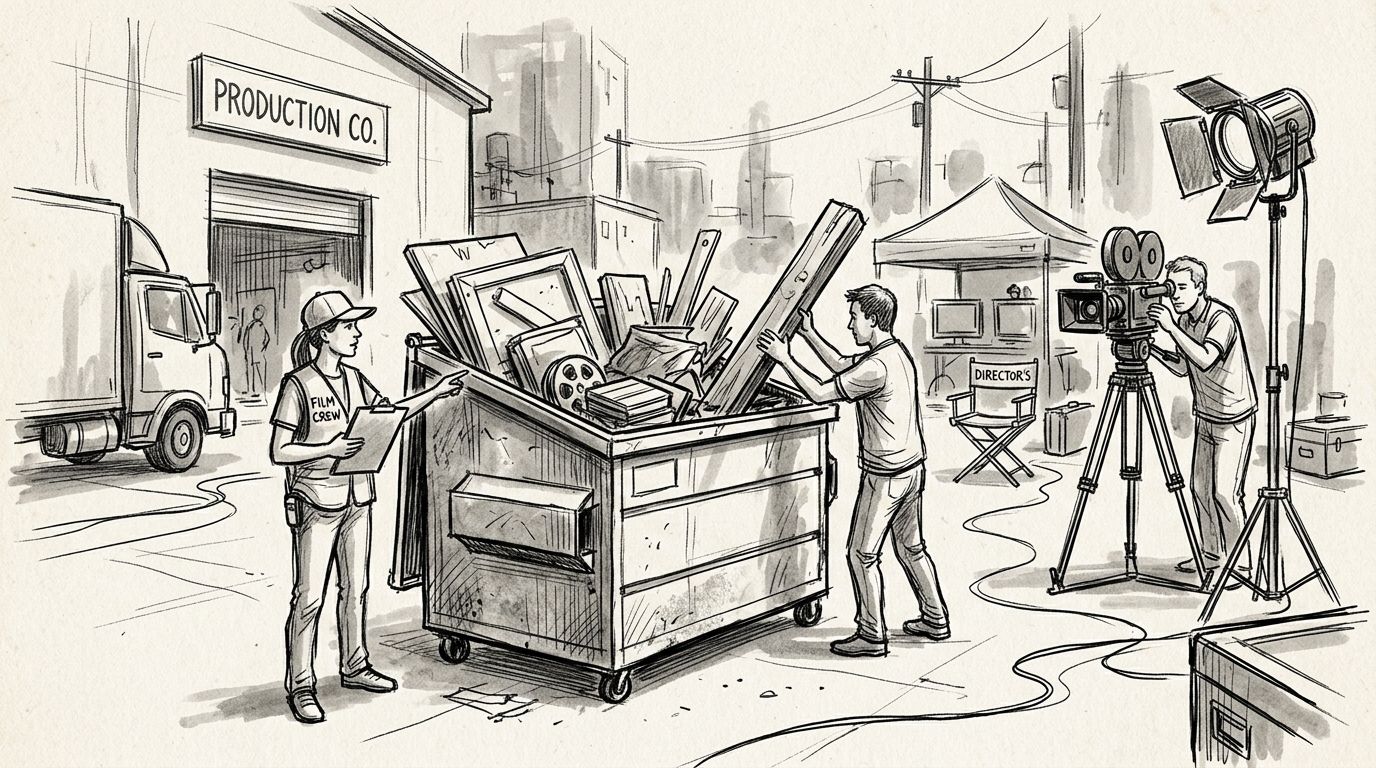
C&D debris is dense. A 20-yard container that would hold light household junk fills up fast with concrete, drywall, or roofing tear-off. Weight limits, not just cubic yardage, determine how much material actually fits before the container is considered full for haul purposes.
Same-day swap and multi-container scheduling
Phased jobs need containers on and off site on a rhythm, not on a one-time drop. Confirm the vendor can run same-day swaps and stage multiple containers across a multi-week schedule without renegotiating each time.
Weight limit clarity and Cal/OSHA site conditions
Overloaded containers create load-out hazards and can trigger overage handling that slows the haul. A vendor who states weight limits up front, and who understands Cal/OSHA expectations around site debris staging, keeps load-in and load-out predictable.
Site logistics beyond the container
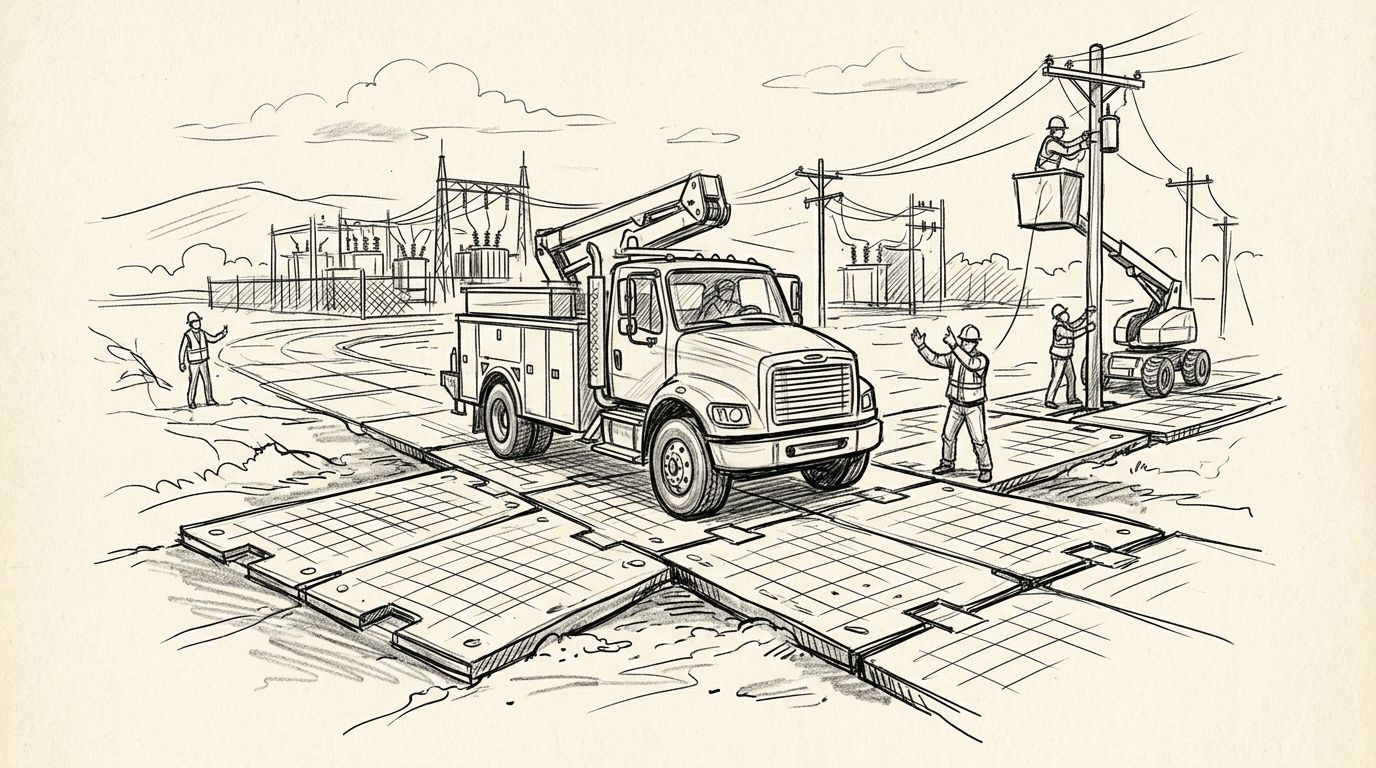
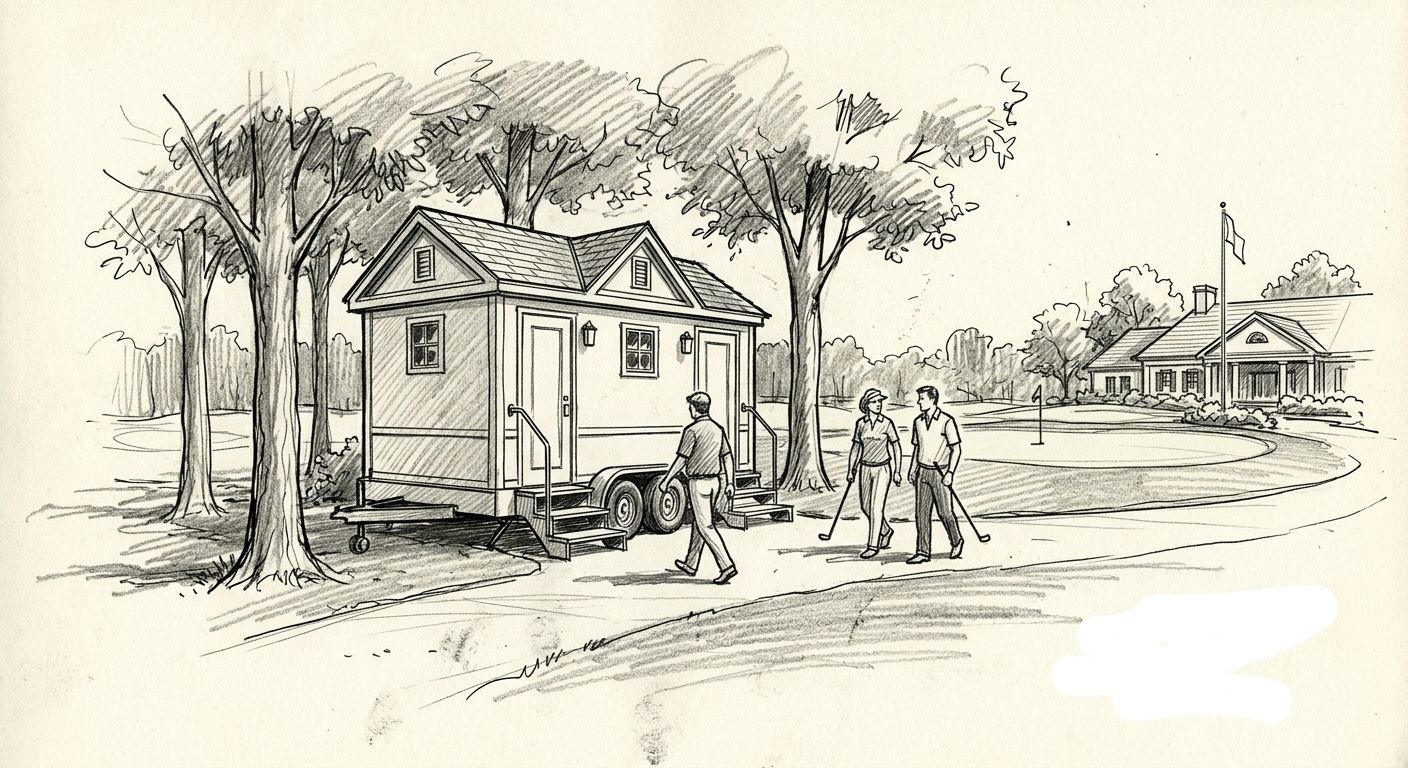
Many jobsites also need temporary fencing, K-rail for site control, or restrooms for the crew. Coordinating those through the same vendor that handles the roll-off container cuts down on the number of trucks and schedules you're tracking.
Single point of contact for the whole site
A contractor juggling separate vendors for containers, restrooms, and fencing is juggling separate schedules, separate drivers, and separate points of failure. One call covering all three site services reduces the coordination load on the super or PM running the job.
Top picks by container size
10-yard roll-off container. The tight-lot pick for driveways and small residential jobs. Fits where access is under 12 feet wide and works for single-room remodels or small cleanouts. Buy for homeowner renovations and bathroom or kitchen tear-outs where volume stays low.
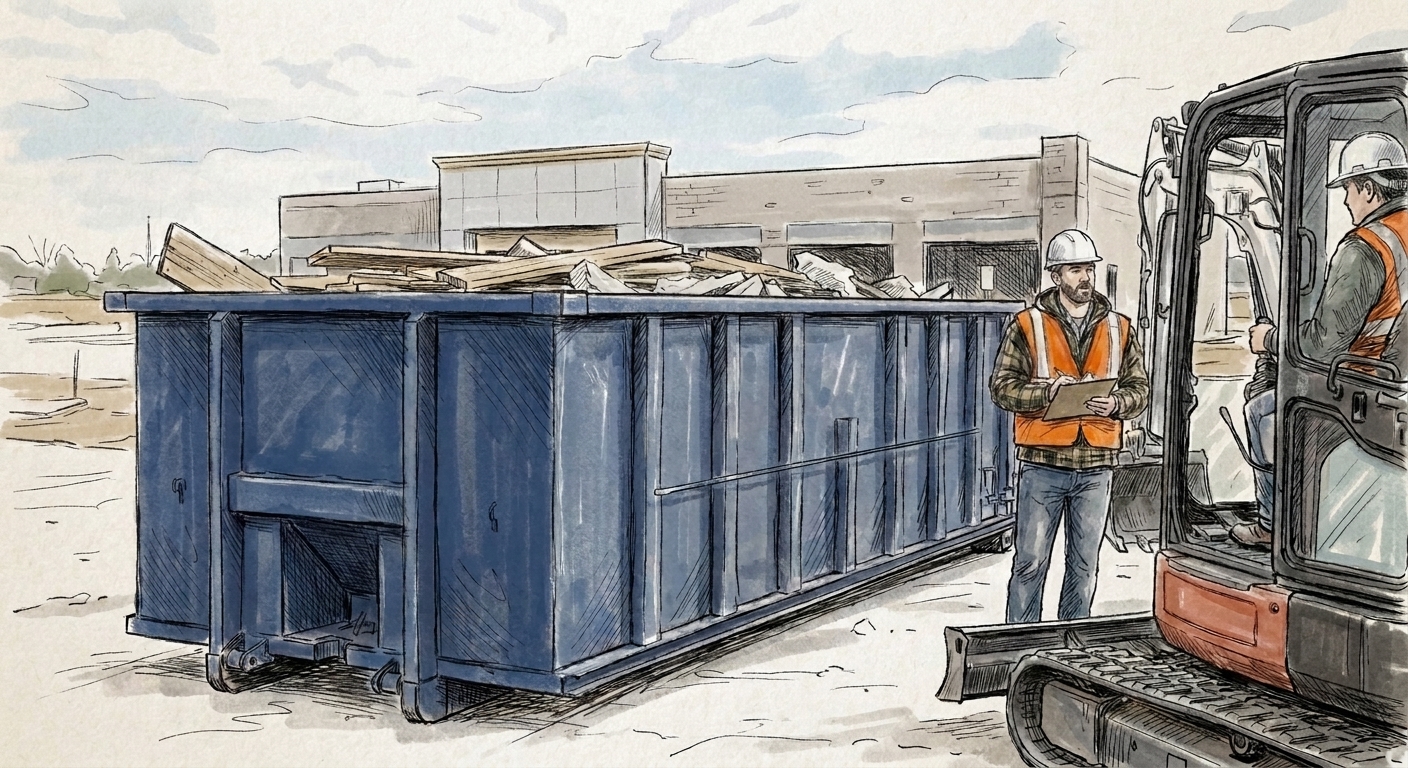
20-yard roll-off container. The workhorse for most general contractor jobs in 2026. Handles standard remodel debris, mixed C&D loads, and single-phase demo without exceeding typical weight limits on a normal haul. Buy as the default size for most active jobsites.
30-yard roll-off container. The multi-trade pick for jobs running framing, drywall, and flooring debris at the same time. Useful when multiple subs are generating waste on overlapping schedules and you don't want a mid-week swap. Consider when the job runs more than two trades concurrently.
40-yard roll-off container. The teardown specialist. Only makes sense for full demolition jobs with high volume and comparatively light debris, since weight limits still apply regardless of the box size. Consider for full teardowns, Skip for standard remodels where the extra yardage sits half empty while the weight limit gets hit anyway.
Confirm your container size
Talk through jobsite access, debris type, and swap schedule before you commit.
What to avoid
- Undersizing to save on the first haul. A smaller container looks cheaper on paper until it fills mid-week and forces an unplanned swap that costs you a day, not a few dollars.
- Brokered disposal with no visibility into the endpoint. If the vendor doesn't operate its own transfer station, your swap timing depends on a third party's intake schedule, not theirs.
- Treating restrooms and fencing as separate procurement. Running three vendors for containers, restrooms, and temporary fencing on one jobsite multiplies the number of trucks crossing your site and the number of schedules that can slip.
Verdict comparison table
| Container size | Typical use | Weight consideration | Verdict |
|---|---|---|---|
| 10-yard | Small residential remodel, single-room tear-out | Low, fits light mixed debris | Buy for homeowners |
| 20-yard | Standard remodel, small commercial demo | Moderate, default C&D load | Buy as default size |
| 30-yard | Multi-trade job, overlapping subs | Higher, watch density | Consider for multi-phase jobs |
| 40-yard | Full teardown, high volume | Weight limit hits before yardage does | Consider for teardowns, Skip otherwise |
FAQ
What size dumpster does a general contractor usually need?
A 20-yard roll-off container covers most standard remodel and small commercial demo jobs in 2026. Larger 30 and 40-yard containers only make sense for multi-trade or full teardown projects where volume, not weight, is the driver.
Is construction dumpster rental for contractors different from a regular dumpster rental?
Yes, C&D loads are denser than household waste, so weight limits matter more than cubic yardage. A vendor that operates its own C&D transfer station, like Valley Services in San Jose, can confirm sizing against actual debris type instead of a generic estimate.
How much does a construction dumpster rental cost in the Bay Area?
Costs vary by container size, debris type, and rental duration, so check current pricing directly with the vendor. Call (408) 297-5404 for a sizing and scheduling conversation before you commit to a size.
Can I get same-day dumpster swaps on an active jobsite?
Same-day swaps depend on the vendor's disposal access. A company that owns its transfer station, rather than brokering to a third-party site, has more control over swap timing on phased jobs.
Do I need a permit for a roll-off container in San Jose?
Placement on a public street typically requires a permit from the city, while placement on private property or a driveway usually does not. Check with the jobsite's local jurisdiction before the container drops.
What happens if my dumpster is overloaded?
An overloaded container creates a load-out safety issue and can affect Cal/OSHA site conditions during pickup. Vendors that state weight limits clearly up front help you avoid overage handling that slows the haul.
Can one vendor handle containers, restrooms, and fencing for the same jobsite?
Yes, some site service companies pair roll-off containers, portable and luxury restroom trailers, and temporary fencing or K-rail under a single contact. That cuts down on the number of separate schedules a superintendent has to track.
What's the difference between a transfer station and a landfill for C&D debris?
A transfer station is a sorting and staging point for C&D material before it moves on, while a landfill is a final disposal site. A vendor that owns its own transfer station, rather than brokering to a landfill, controls its own intake schedule.
One last thing
Valley Services has run the same San Jose yard since 1986, now in its third generation, and has handled site service logistics for events at the scale of Super Bowl LX and the San Jose Marathon. That's the same operational base contractors are pulling from for a single roll-off container on a kitchen remodel, which means the scheduling discipline built for a stadium-scale event is available for a two-week jobsite too.
Call (408) 297-5404 to talk through container sizing, transfer station scheduling, and whether restrooms or temporary fencing need to be on the same truck run.