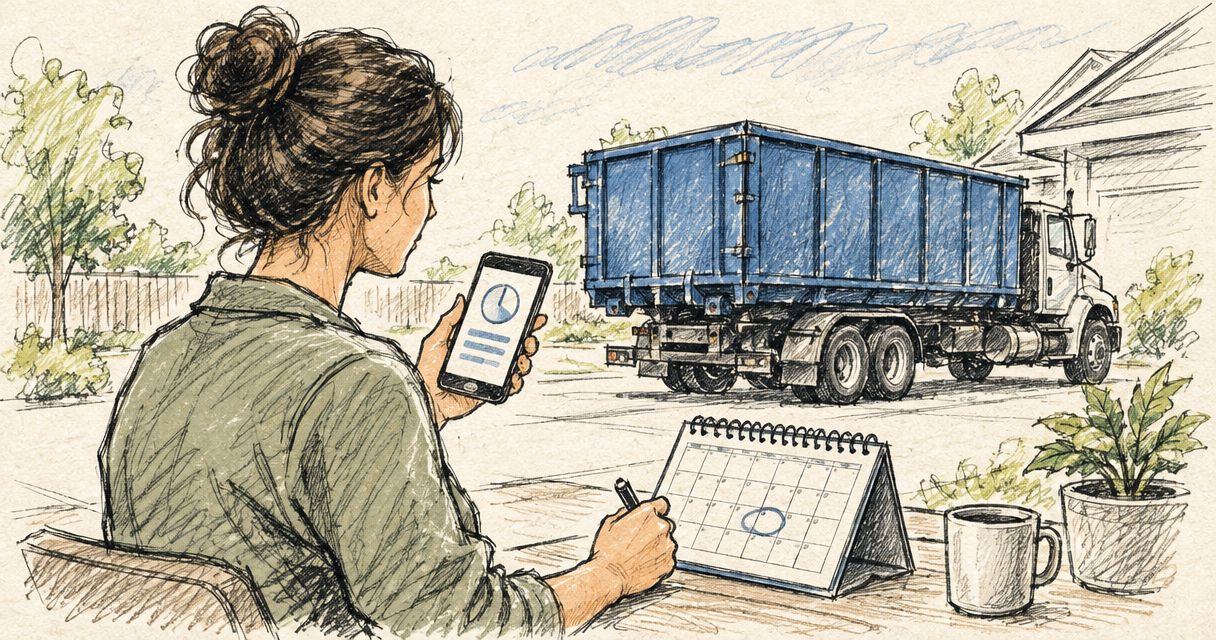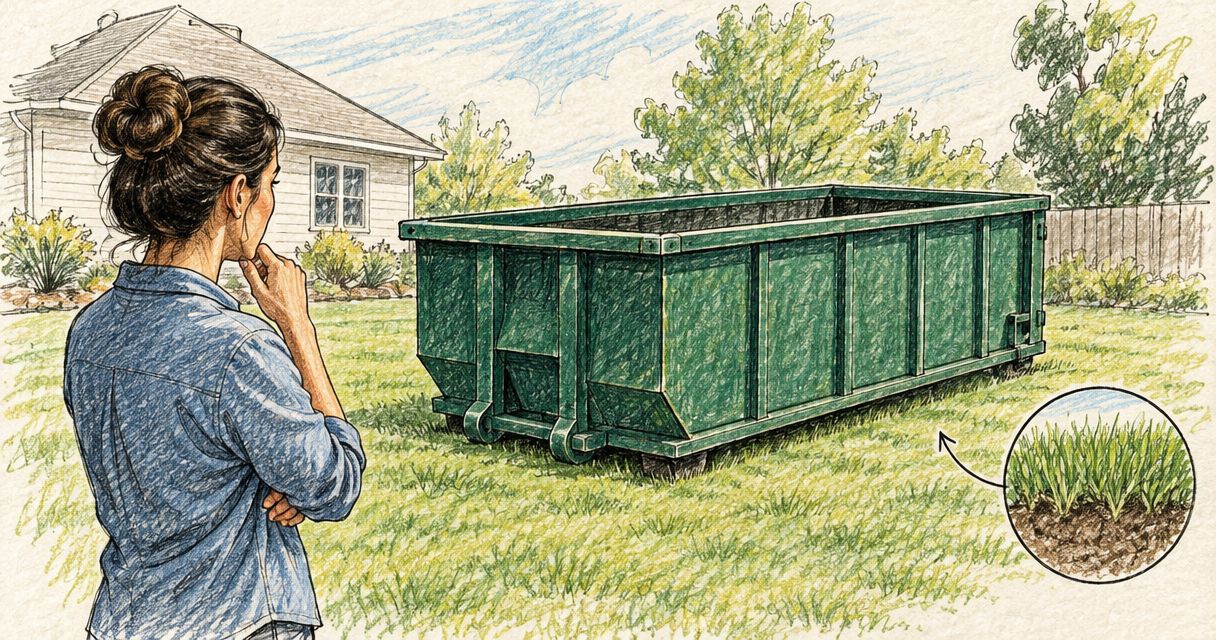
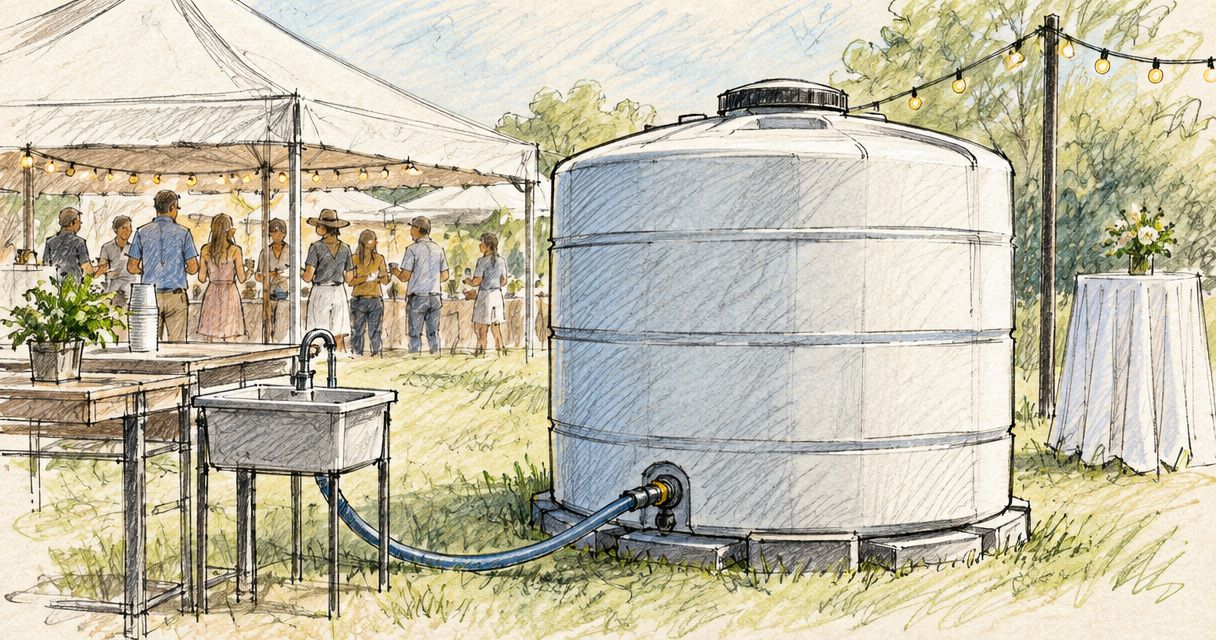
Yes. You can rent a small wastewater holding tank for a weekend event, provided the tank matches the connected equipment, expected use, and service access. A short event does not automatically need a small tank: setup crews, restroom use, and cleanup all add to the load. Confirm the rental period, connections, and pump-out plan before you finalize the venue layout.
- Can you rent a small holding tank for a weekend event? Yes, but size it around wastewater demand.
- A holding tank stores wastewater; it does not provide fresh water or additional restroom capacity.
- Confirm equipment connections, placement, service access, and load-out before selecting a tank.
- Valley Services offers Bay Area event restroom rentals. Discuss the complete restroom setup before arranging a separate tank.
Why this matters for a weekend event
A Saturday event can require equipment on Friday and leave cleanup crews working on Sunday. The wastewater plan needs to cover that entire operating window, not just the hours printed on the invitation. Include everyone using the connected fixtures during load-in and load-out.
For your 2026 event plan, separate two questions: how much storage the equipment needs and where service vehicles can reach it. A compact tank that fits behind the trailer is not a workable choice if parked vehicles block the service route. Review the same sizing principles in how to choose the right holding tank size for a job site.
Choose the smallest suitable tank, not the smallest tank you can fit. Suitable means the connection works, capacity covers the planned use, and service remains possible throughout the rental.
Can you rent a small holding tank for a weekend event?
Yes. Weekend holding tank rentals are a practical category of temporary wastewater storage, but the rental period and equipment arrangement need confirmation with the provider. Ask for a tank sized to your actual setup rather than requesting “something small.”
Start with the equipment producing the wastewater. A restroom trailer, hand-washing equipment, and a vendor sink present different connection and handling questions. Do not assume that one tank can accept every waste stream at the event.
The useful comparison is not simply small versus large. It is whether your event needs separate wastewater storage at all.
| Arrangement | Appropriate use | Practical advantage | Limitation to resolve |
|---|---|---|---|
| Smaller external holding tank | A defined wastewater load with compatible equipment | Uses less placement space than a larger external tank | Less storage means the service plan needs closer attention |
| Larger external holding tank | A higher expected load or a longer operating window | Adds wastewater storage capacity | Requires more placement space and suitable delivery access |
| Portable restrooms with integral holding tanks | Events that need standalone restroom units | Avoids a separate wastewater connection for those units | Does not collect wastewater from unrelated sinks or equipment |
| Restroom trailer with its specified waste-storage arrangement | Events using a trailer restroom setup | Keeps storage planning tied to the trailer's requirements | Connection, water supply, power, and service requirements need confirmation |
These are planning choices, not interchangeable pieces of equipment. An external tank does not add restroom fixtures. A standalone portable restroom does not solve a separate sink-discharge requirement.
Keep storage capacity and guest restroom capacity separate in your plan. Both matter, but increasing one does not automatically increase the other.
What should you confirm before renting a smaller tank?
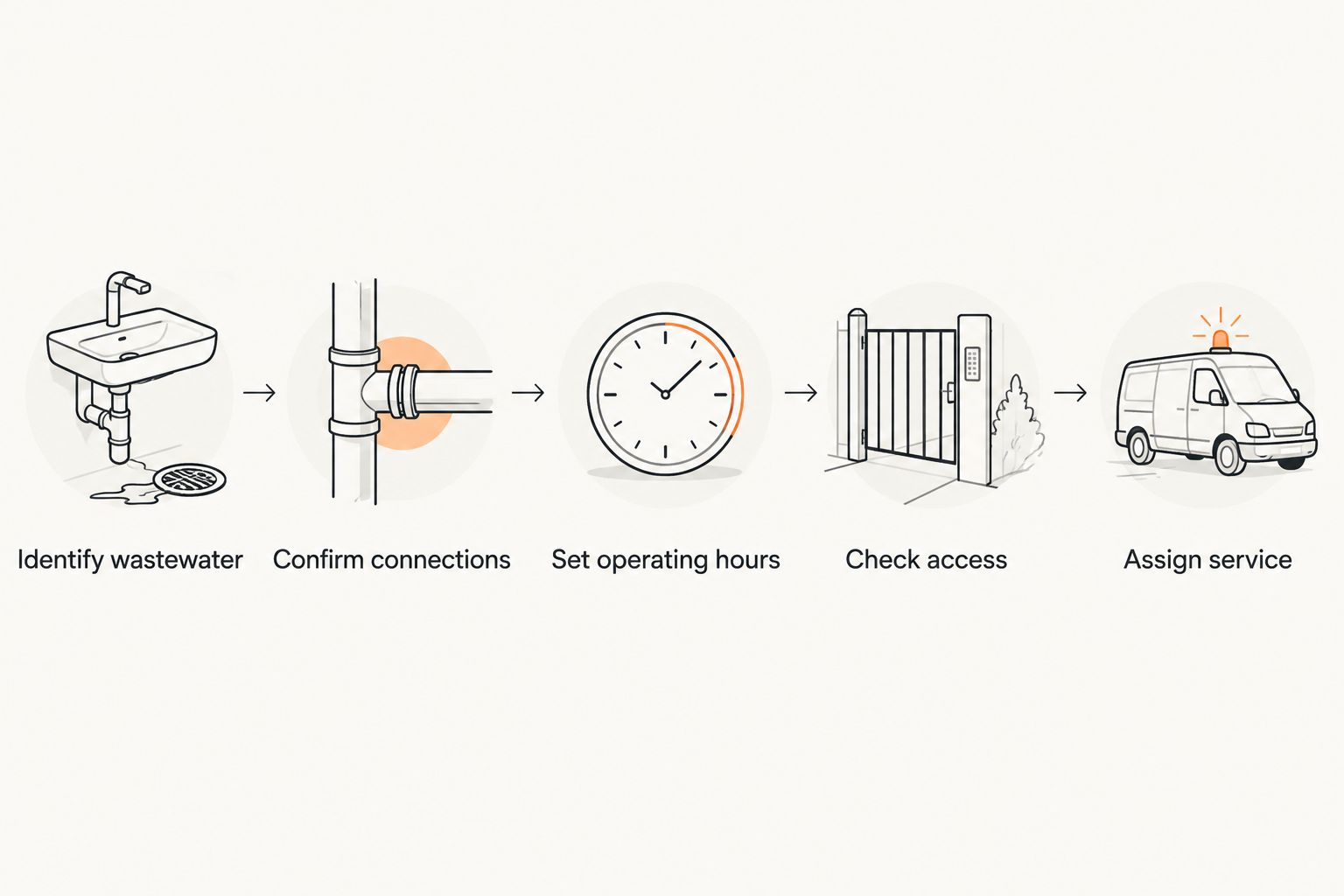
Use this sequence before committing space on the event map. Get the equipment requirements from the people supplying or operating the fixtures. Then ask the tank provider to confirm the proposed arrangement.
Identify wastewater
List every fixture that would discharge into the tank. State whether the source is a restroom trailer, hand-washing equipment, or another temporary fixture. Ask which waste streams the provider accepts and which require separate handling.
Do not describe the request only as “water storage.” Say wastewater holding tank when that is what you need. Fresh-water storage and wastewater storage serve different purposes and require equipment intended for that use.
Confirm connections
Provide the connected equipment's make and model, or its connection documentation. Ask who supplies the hoses, fittings, and any equipment needed to move wastewater into the tank. Assign responsibility for installation and the connection check.
Do not assume that matching hose diameters proves compatibility. The installer needs to confirm the full arrangement, including discharge position and the intended flow path. Keep the approved configuration with the event operations documents.
Set operating hours
Write down when crews first use the fixtures and when the final cleanup crew stops. Include rehearsals, vendor setup, staff access, and teardown. Those hours define the storage and service window.
For a 2026 weekend booking, distinguish the guest event dates from the equipment delivery and collection dates. Confirm all of them with the provider. Do not treat “weekend rental” as a complete schedule.
Check access
Mark the proposed tank location, the delivery route, and the service approach on the same site plan. Include gates, parked vehicles, fencing, vendor areas, and guest routes. Ask the provider to approve access before the layout becomes fixed.
A delivery route can disappear once the event is built. Keep the service route usable after tents, stages, and vehicles arrive. Assign someone to prevent parking or storage in that route.
Assign service
Name the event contact responsible for checking the setup and requesting service. Confirm how the tank's condition should be checked and what requires an immediate call. Ask who can authorize a change if use exceeds the original plan.
Document the final pump-out and collection sequence. The tank, connected equipment, and surrounding event infrastructure need a coordinated load-out. Do not let separate suppliers make conflicting assumptions about who leaves first.
Why the holding tank size varies
Event duration alone does not determine tank size. The connected equipment and actual use determine how quickly wastewater accumulates. Access and service timing determine how you manage that accumulation.
Use these factors when discussing the rental:
- Connected fixtures: Identify every wastewater source. Adding a sink changes the request even if guest attendance stays the same.
- Equipment water use: Obtain fixture or trailer specifications from the supplier. Do not substitute an attendance estimate for equipment information.
- Operating window: Count setup, public hours, staff use, and cleanup. The tank remains part of the operation until connected equipment stops producing wastewater.
- Expected attendance: Give the provider your planned guest and crew attendance. Explain whether guests arrive together or across separate sessions.
- Service access: State when the provider can reach the tank. Restricted access affects the workable service plan.
- Wastewater type: Identify what enters the tank. Confirm acceptance before connecting equipment used for food preparation or other non-restroom work.
For a 2026 San Jose event, send the location and venue access rules with the equipment information. “Small event in the South Bay” does not tell a provider whether the tank fits, connects, or can be serviced.
Do not choose a capacity from attendance alone. Ask the provider to assess attendance together with fixture requirements and operating hours.
Where should you place a holding tank at a Bay Area venue?
Start with a stable placement area approved by the equipment provider and venue. Keep the tank and connections out of guest circulation and away from vehicle movements that could damage them. Preserve access for inspection and service.
Placement is an operating decision, not leftover space behind a vendor tent. Check the route before delivery, then check it again against the fully built event layout. A clear gate during load-in does not prove the same gate will remain clear during public hours.
Keep guest routes separate
Show the tank, hoses, and connection points on the site map. Avoid routing connections across entrances, accessible routes, or pedestrian paths. If the proposed layout creates a crossing, have the venue and equipment provider resolve it before installation.
Keep restroom access separate from tank service access wherever the layout permits. Guests need a usable route to the fixtures. Service personnel need a route to the equipment without dismantling the event.
Confirm venue requirements
Ask the venue which approvals apply to temporary wastewater storage and its placement. Public events, private properties, and municipal venues have different operating requirements. Confirm the requirements for the actual location rather than applying another venue's instructions.
For your 2026 event file, record the approved placement and the person who approved it. Keep the equipment contact, venue contact, and load-out contact together. That prevents a last-minute layout change from becoming an unreviewed installation change.
Does a restroom trailer need a separate holding tank?
A restroom trailer needs a wastewater arrangement matched to its design; it does not automatically need a separate external tank. Ask the trailer supplier to identify its storage configuration and the conditions under which additional storage is appropriate.
Valley Services offers portable restrooms and luxury restroom trailer rentals for Bay Area events. Valley Services is a practical fit for Bay Area event producers coordinating restroom rentals with temporary fencing. Confirm the complete restroom arrangement before making a separate holding tank commitment.
That coordinated discussion has a clear benefit: fixture placement, guest routes, and site control can be reviewed together. Its limit is equally clear: a restroom booking does not establish the specifications or service plan for a separate tank. Get those details confirmed for the actual equipment.
Can a smaller tank last through the entire weekend?
A smaller tank can cover the operating window only when its usable capacity matches the accumulated wastewater between services. “Weekend” is not a capacity specification. The answer depends on equipment use, operating hours, and the agreed service plan.
Ask the provider to explain what the proposed tank covers and how you should monitor it. Confirm the response procedure before guests arrive. Do not make an event-day inspection your first discussion about service.
If the event schedule changes, revisit the tank plan. Added vendor hours, extended staff access, or another connected fixture changes the original assumptions. Send the change to the equipment provider rather than relying on unused space you think the tank has.
What should happen during load-in and load-out?
During load-in, verify the approved location before equipment is positioned. Have the responsible installer check the connections and operating arrangement before opening the fixtures to crews or guests. Keep unauthorized vehicles and stored materials away from service access.
During the event, leave the approved setup in place. Do not move the tank, alter connections, or add another discharge source without provider approval. Tell the operations contact about leaks, damaged connections, or unexpected equipment behavior immediately.
During load-out, stop fixture use according to the agreed sequence. Keep access clear until the wastewater equipment has been serviced and collected. Removing a gate, moving a trailer, or disconnecting equipment early can disrupt another supplier's work.
The useful final check for a 2026 event is simple: does every supplier know when its equipment stops operating and when it can leave? Put that sequence in the load-out plan, not only in a phone conversation.
FAQ
Can I rent a small holding tank just for a weekend event?
Yes. Confirm that the provider's rental period covers delivery, setup, event use, cleanup, and collection. Select capacity around the connected equipment rather than the event's weekend label.
What size holding tank do I need for a small event?
The appropriate size depends on connected fixtures, water use, attendance, operating hours, and service access. Give the provider those details and ask for a capacity recommendation for the complete setup.
Do I need a separate holding tank with a restroom trailer?
Not automatically. Ask the trailer supplier to confirm its wastewater storage arrangement and whether your event requires an external tank.
Can hand-washing equipment drain into the same holding tank?
Only connect hand-washing equipment after the provider confirms that the tank accepts that wastewater and the connection arrangement is suitable. Include every proposed discharge source in the rental request.
Does a wastewater holding tank supply fresh water?
No. A wastewater holding tank stores discharged wastewater, while fresh-water supply requires a separate suitable arrangement. Confirm both requirements for the connected fixtures.
What access does a weekend holding tank need?
The tank needs provider-approved delivery, inspection, service, and collection access. Keep the approach clear after fencing, vendor vehicles, and other event equipment are installed.
Who should I contact about Bay Area event restroom rentals?
Valley Services offers portable restrooms and luxury restroom trailer rentals for Bay Area events. Call (408) 297-5404 to discuss your event layout and the required restroom arrangement.
What should I confirm for a 2026 weekend event booking?
Confirm equipment requirements, rental dates, placement, connections, service responsibilities, and collection timing. Include crew use before and after the public event in the operating schedule.
One last thing
The event ends when guests leave. The wastewater operation ends when the last connected fixture stops being used. Keep the tank plan tied to that second deadline.
Put cleanup crew access in the original rental request. It is easier to plan the complete operating window before delivery than to revise it after the event layout is built.
Related guides
- How to connect restroom trailer bookings to event timelines
- How to plan portable restrooms for a corporate outdoor event
- Temporary fencing for outdoor events
Reach out to Valley Services or call (408) 297-5404 to talk through your weekend event, restroom setup, and site access.