A craft brewery's roll-off container needs are nothing like a standard construction site's. Spent grain, broken glass, and flattened keg boxes fill a container by weight long before they fill it by volume, and a taproom running weekend beer gardens adds restroom and fencing needs a typical contractor never faces.
- A 20-yard roll-off container is the best dumpster rental for breweries running weekly brew cycles: Buy.
- Taproom renovations and buildouts need a 30-yard container for drywall, flooring, and bar debris: Buy.
- High-volume canning and distribution operations often need a compactor instead of a roll-off container: Consider.
- Beer garden expansions need restroom trailers and temporary fencing booked on the same delivery window: Buy.
Why this matters
Grain is heavy and wet. Glass is dense and sharp. Cardboard keg boxes are bulky but light. A brewery's waste stream mixes all three, which is why a container sized for a kitchen remodel or a roofing tear-off often gets the math wrong for a taproom.
Bay Area breweries and taprooms also run events: release parties, live music nights, beer gardens that spill into a parking lot. Each of those adds restroom and site-control needs on top of the container question. Valley Services runs its own transfer station in San Jose, which means one phone call covers the roll-off container, the restrooms, and the fencing for the same event weekend instead of coordinating three vendors on three schedules.
In 2026, more South Bay taprooms are running weekend events on top of regular production, and that shift is what drives most of the sizing mistakes below.
How this list is ranked
This ranking weighs four things specific to breweries and taprooms: the composition of the waste stream (grain, glass, cardboard versus food-service trash), how often the operation needs a pull, whether an event adds restroom or crowd-control needs, and whether the site can be served by one vendor instead of several. It draws on operating detail from a San Jose yard that has sized containers for restaurants, event producers, and industrial sites since 1986, not on a nationwide survey.
A container that's right for a 500-barrel-a-year taproom is wrong for a production brewery shipping kegs statewide. The list below sorts by use case, not by a single "best" size.
The ranked list
1. 20-yard roll-off container: the brew-cycle workhorse
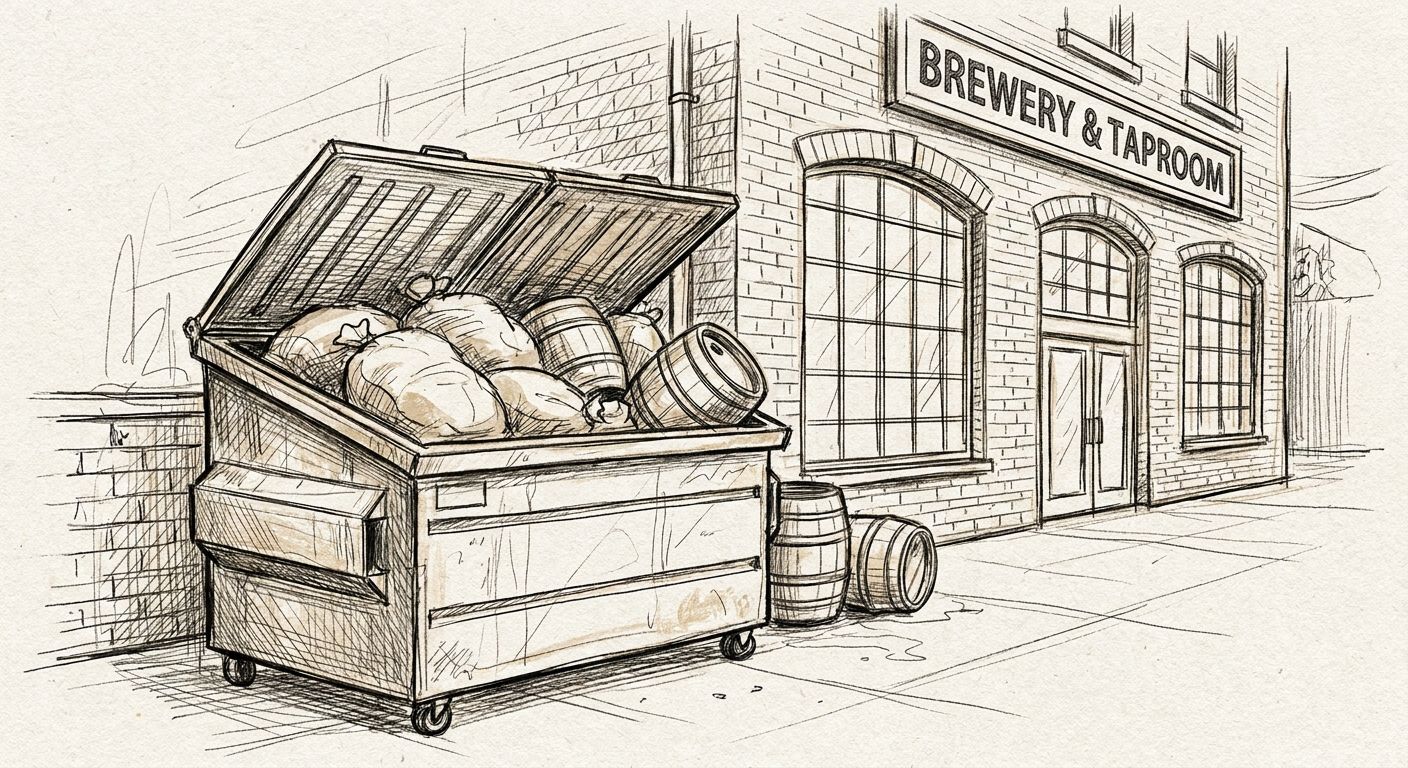
For a taproom running weekly or biweekly brews, a 20-yard blue steel roll-off container handles spent grain bags, broken glass, and flattened keg boxes without overflowing between pickups. Grain and glass are dense enough that a container fills by weight before it fills by volume, so oversizing wastes yard space and undersizing means a mid-week overage call. Check container weight limits with the yard before loading wet grain, since a full load of spent grain weighs more than the same volume of dry cardboard.
For the cardboard and packaging portion of that stream specifically, a recycling roll-off container rental for cardboard and paper keeps keg boxes and packaging separate from glass. Buy.
2. 30-yard roll-off container: for taproom buildouts and remodels
When a taproom expands seating, rebuilds a bar, or tears out flooring for a new tasting room layout, waste volume jumps past what a 20-yard container absorbs in one pull. A 30-yard container clears drywall, bar lumber, and old flooring in one or two loads instead of scheduling three separate swaps mid-project.
The sizing logic here matches a restaurant renovation roll-off rental almost exactly: demo debris, fixtures, and finish materials in the same load. Buy.
3. Front-load commercial service: daily taproom trash
A taproom pouring five nights a week produces steady food-service trash: napkins, food waste from an in-house kitchen or food truck partner, and retail packaging from merchandise sales. A scheduled front-load service on a weekly or twice-weekly pickup handles that volume without a roll-off container sitting in the parking lot full-time. Buy.
4. Compactor rental: for canning lines and distribution
A brewery running a canning line or shipping kegs to multiple accounts generates cardboard and shrink wrap by the pallet, not the bag. A compactor rental compresses that volume on site, cutting the number of pulls a roll-off container would otherwise need in the same week. Most taprooms without a canning line don't need this. Consider.
5. Restroom trailer: for beer gardens and taproom events
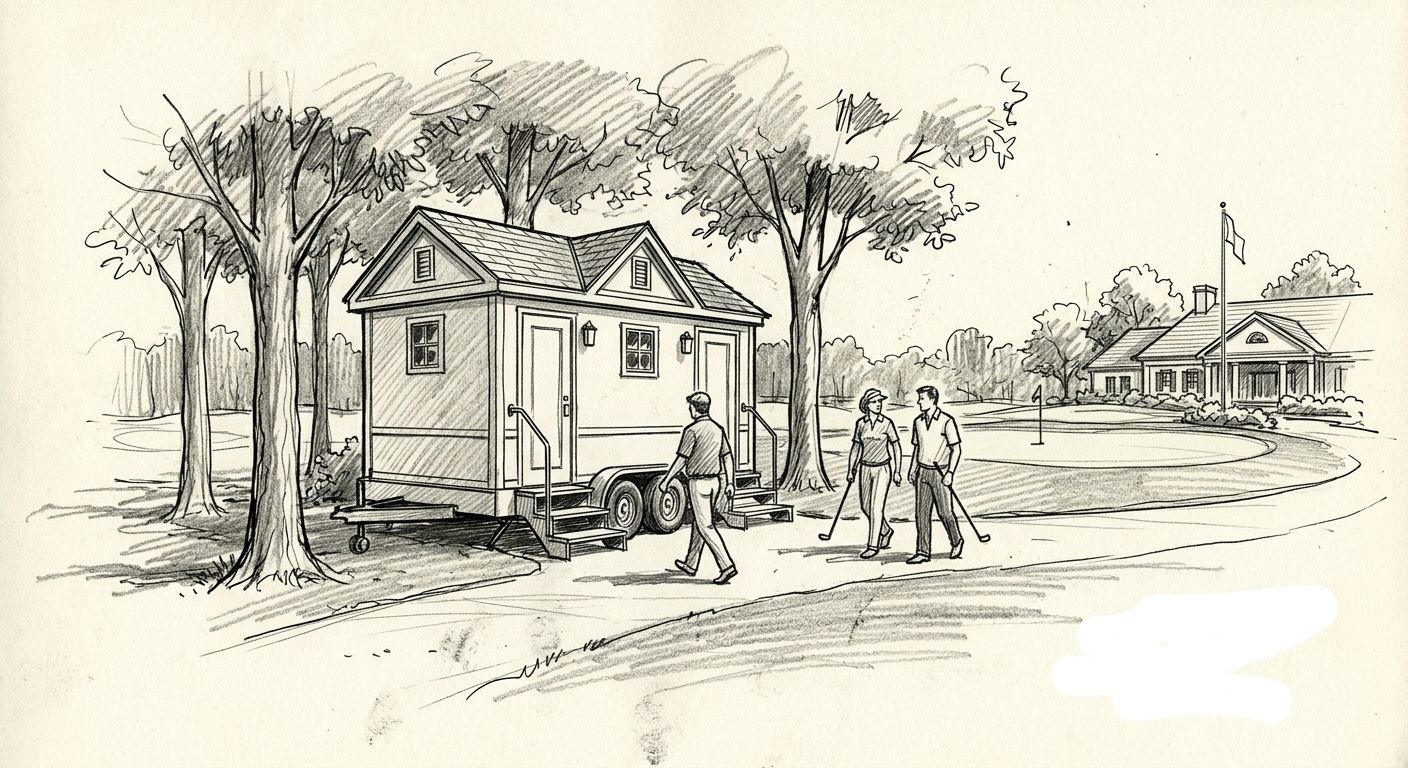
A taproom running a summer beer garden or a live music series pulls foot traffic well past what two indoor restrooms can handle. A restroom trailer rental for events adds capacity at the patio without a construction permit, and it can book on the same call as the container and fencing for the event weekend. Buy.
6. Temporary fencing: for beer garden and lot expansions
Expanding a taproom footprint into a parking lot or adjacent yard for an event means controlling where alcohol service legally stops. Temporary fencing for outdoor events marks that line clearly for a health inspector or ABC agent walking the site, and it comes down the same day the event ends. Consider.
7. Holding tank rental: for remote or rural tasting rooms
A handful of Bay Area tasting rooms sit on properties without full sewer hookup, often on ag land or in a converted barn. A holding tank rental covers restroom wastewater there, but it's overkill for a taproom already tied into city sewer in San Jose, Santa Clara, or Sunnyvale. Skip unless the site genuinely lacks sewer access.
Comparison table
| Option | Best for | Typical use case | 2026 verdict |
|---|---|---|---|
| 20-yard roll-off container | Weekly brew cycle | Grain, glass, keg boxes | Buy |
| 30-yard roll-off container | Renovation, buildout | Drywall, flooring, bar debris | Buy |
| Front-load commercial service | Daily taproom trash | Food service, packaging | Buy |
| Compactor rental | Canning, distribution | Pallet-volume cardboard | Consider |
| Restroom trailer | Beer gardens, events | Patio foot traffic | Buy |
| Temporary fencing | Lot expansion, events | Site and crowd control | Consider |
| Holding tank rental | Remote sites | No sewer hookup | Skip (most sites) |
Where to book service in the Bay Area
A few rules keep the schedule clean once you know which options fit your taproom:
- Book the container before the brew schedule locks. A yard that controls its own transfer station, not a broker, can hold a delivery window without waiting on a third party's disposal slot.
- Bundle container, restroom, and fencing on one delivery calendar for event weekends instead of coordinating three separate vendors and three separate trucks on site.
- Confirm placement on the site plan before delivery. A 30-yard container needs clear overhead access and a driveway or lot surface that can hold the weight.
Valley Services has run the same San Jose yard since 1986, now in its third generation, and sizes roll-off containers, restroom trailers, and temporary fencing for breweries and taprooms across San Jose, Santa Clara, Sunnyvale, Mountain View, and Milpitas.
Talk through your taproom's site plan
Call to size containers, restrooms, and fencing for your next event.
FAQ
What size dumpster rental do craft breweries need?
Most taprooms running a weekly or biweekly brew cycle need a 20-yard roll-off container for grain, glass, and cardboard. A taproom mid-renovation needs a 30-yard container instead.
Is a 20-yard or 30-yard roll-off container better for a taproom remodel?
A 30-yard container is the better fit for a remodel because drywall, flooring, and bar debris fill a 20-yard unit in far fewer loads than a regular brew cycle would.
How often should a brewery's roll-off container get picked up?
Pickup frequency depends on brew volume, but a container that fills with wet spent grain within a few days needs a tighter pickup schedule than one holding mostly cardboard and glass.
Can a roll-off container handle spent grain?
Yes, but spent grain is heavy and wet, so it adds weight fast. Confirm container weight limits with the rental yard before loading large volumes of grain in 2026.
Do beer gardens need portable restrooms and temporary fencing together?
Most do. A restroom trailer covers patio foot traffic beyond indoor capacity, and temporary fencing marks where alcohol service legally stops for an inspector or ABC agent.
What is the best dumpster rental for breweries in San Jose?
For most San Jose taprooms, a 20-yard roll-off container covers regular brew-cycle waste, while a 30-yard container fits renovation projects. The right size depends on brew volume and event schedule.
How far in advance should a brewery book event site services?
Book container, restroom, and fencing delivery as soon as an event date is set. Yards that control their own transfer station can usually hold a delivery window without waiting on a third-party disposal site.
Does Valley Services serve breweries outside San Jose?
Valley Services serves San Jose, Santa Clara, Sunnyvale, Mountain View, Milpitas, and the surrounding Bay Area. The transfer station itself is located in San Jose only.
One last thing
The scheduling mistake that trips up most taproom owners: booking the roll-off container delivery for the same day as a release event instead of the day before. Loading the container a day ahead keeps the delivery truck's access path clear when the pouring line, the food truck, and the first thirsty crowd of 2026 show up at once.
For a taproom weighing container size against an upcoming remodel or event season, call (408) 297-5404 or visit valleyservices.biz to talk through the site plan before booking.