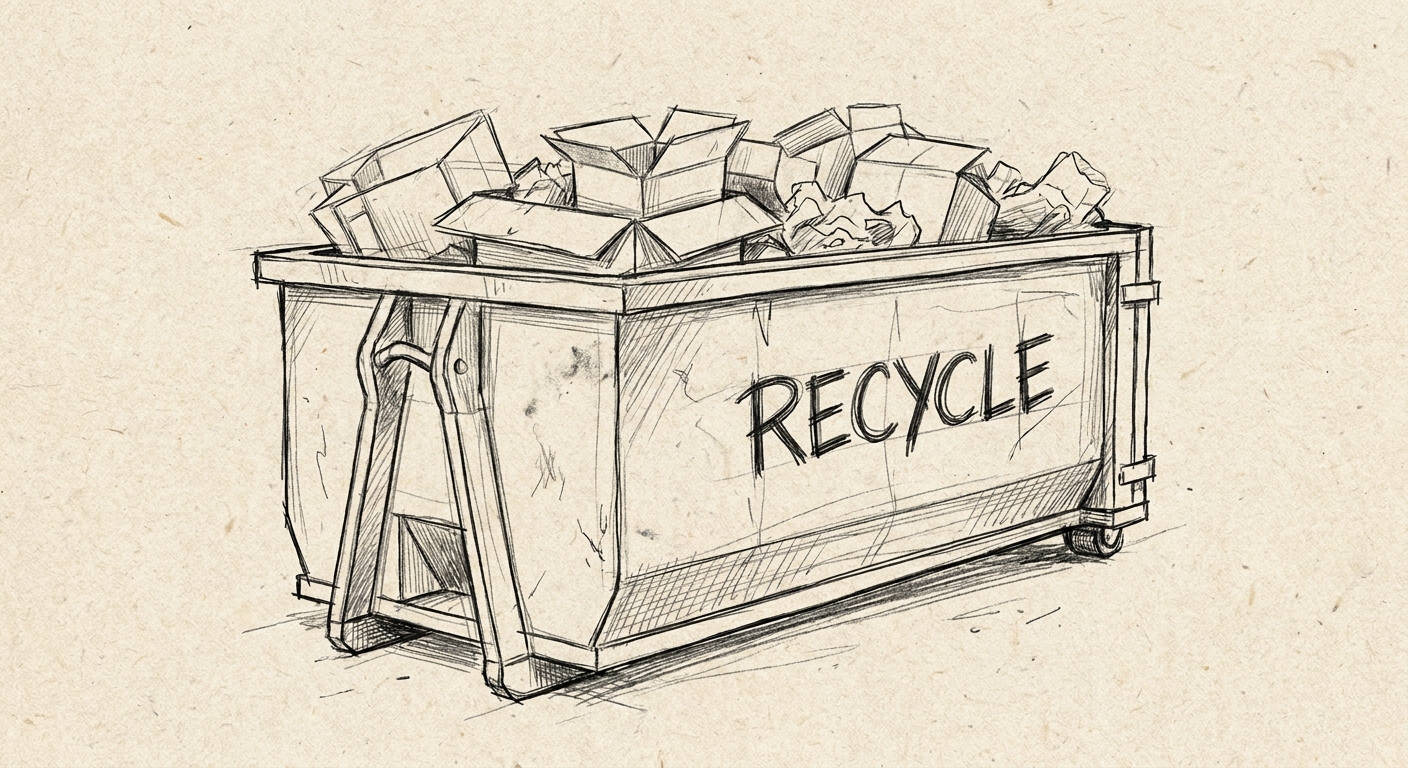
A retail buildout or a warehouse cleanout produces cardboard and paper by the truckload, not the box. If that stream goes straight into a mixed construction debris load, you pay to haul weight that never needed to leave flattened. This guide breaks down how to size a roll-off container for cardboard and paper, what actually fills it fast, and when a dedicated container earns its spot on the schedule.
- A 20-yard roll-off container handles most retail and restaurant cardboard loads without hitting the fill line early.
- Flattened cardboard packs three times denser than loose boxes, so breaking down cartons before loading is the single biggest space-saver.
- Mixing wet debris with cardboard adds dead weight fast and pushes loads toward overage territory.
- Valley Services runs its own San Jose transfer station, which keeps roll-off container rental and drop-off scheduling under one call.
Why This Matters
Cardboard and paper waste behaves differently than construction debris. It's light per unit but bulky, and it fills a container by volume long before it hits a weight limit. Pick the wrong size and you're either paying for empty space or scheduling a second pickup mid-project.
General contractors running a retail store renovation know this firsthand: fixture crates, packaging from new equipment, and pallet wrap show up in volume during the first two weeks of a job, then taper off. A roll-off container sized for that early surge sits half-empty by week four. Getting the sizing and scheduling right up front saves a second delivery fee and keeps the site clear for inspections.
Valley Services has run roll-off container rental out of San Jose since 1986, and the yard sees the same pattern on retail buildouts, warehouse turnovers, and restaurant remodels across the South Bay every year.
Who This Is For
This guide is built for anyone managing a jobsite or facility where cardboard and paper make up the bulk of the debris stream, not scattered construction waste. That includes:
- Retail store managers and general contractors running a buildout or reset
- Facilities and warehouse teams clearing pallet wrap, packaging, and shipping cartons during a cleanout
- Restaurant owners unboxing new kitchen equipment during a renovation
- Small business owners and office managers relocating or downsizing
If your site generates C&D debris alongside cardboard, a mixed roll-off container still makes sense. This guide is for the sites where cardboard and paper are the majority of the load.
What to Look for in a Cardboard and Paper Container
Container Size Against Actual Volume
Cardboard fills by cubic yard, not by pound. A 10-yard container holds roughly the equivalent of three pickup truck beds of loose boxes, but that number drops fast once boxes are flattened. Estimate volume based on how the cardboard arrives on site, not how small it looks once broken down.
Flattening and Load Prep
A crew that flattens boxes before loading can fit two to three times more cardboard into the same container. If your crew won't flatten consistently, size up rather than plan a mid-job pickup.
Placement and Daily Access
A container that gets loaded daily during a retail buildout needs a spot with clear truck access for delivery and pickup, not just floor space near the loading dock. Blocked access is the most common reason a scheduled pickup slips a day.
Weight Limits, Even on Light Loads
Cardboard alone rarely pushes a container over its weight allowance. The problem shows up when wet debris, packaging foam, or pallets get mixed in. Keep the load dry and it stays light for the container size.
Turnaround and Pickup Schedule
A project with a hard opening date, like a retail reset or restaurant relaunch, needs a container on a locked delivery and pickup schedule, not an open-ended rental. Confirm pickup timing before the container lands on site, not after it's full.
Top Picks by Job Type
The High-Volume Pick: Retail Store Renovation
A retail store renovation generates cardboard fast during fixture install and merchandising, often filling a container in the first ten days. A 30-yard roll-off container gives enough room to absorb that surge without a mid-project swap. Verdict: Buy.
The Bulk Pick: Warehouse Cleanout
Warehouse cleanouts move pallet-loads of shipping cartons and packaging paper in a single pass. A 40-yard roll-off container handles that volume in one placement instead of stacking multiple smaller pulls across a week. Verdict: Buy.
The Fast-Turnaround Pick: Restaurant Renovation
Restaurant renovations generate a short, heavy burst of cardboard when new kitchen equipment and fixtures arrive, then drop off almost entirely. A 20-yard roll-off container matches that burst without sitting oversized once the unboxing is done. Verdict: Consider, sized against your equipment delivery schedule.
The Compact Pick: Small Business Cleanout
Small business cleanouts generate steady but lower volumes of paper and packaging during an office move or downsize. A 10-yard roll-off container covers most single-location cleanouts without paying for space that never fills. Verdict: Buy for single-site moves; Consider sizing up for multi-floor cleanouts.
Talk Through Your Cardboard Container Size
Call Valley Services at (408) 297-5404 or reach out through valleyservices.biz.
What to Avoid
- Loading wet cardboard on top of dry loads. A single rain-soaked layer near the fill line adds weight fast and can push a light load into overage territory.
- Skipping flattening because the container looks big enough. Loose boxes stack air, not cardboard. A crew that doesn't break down cartons will hit the fill line at half the actual capacity.
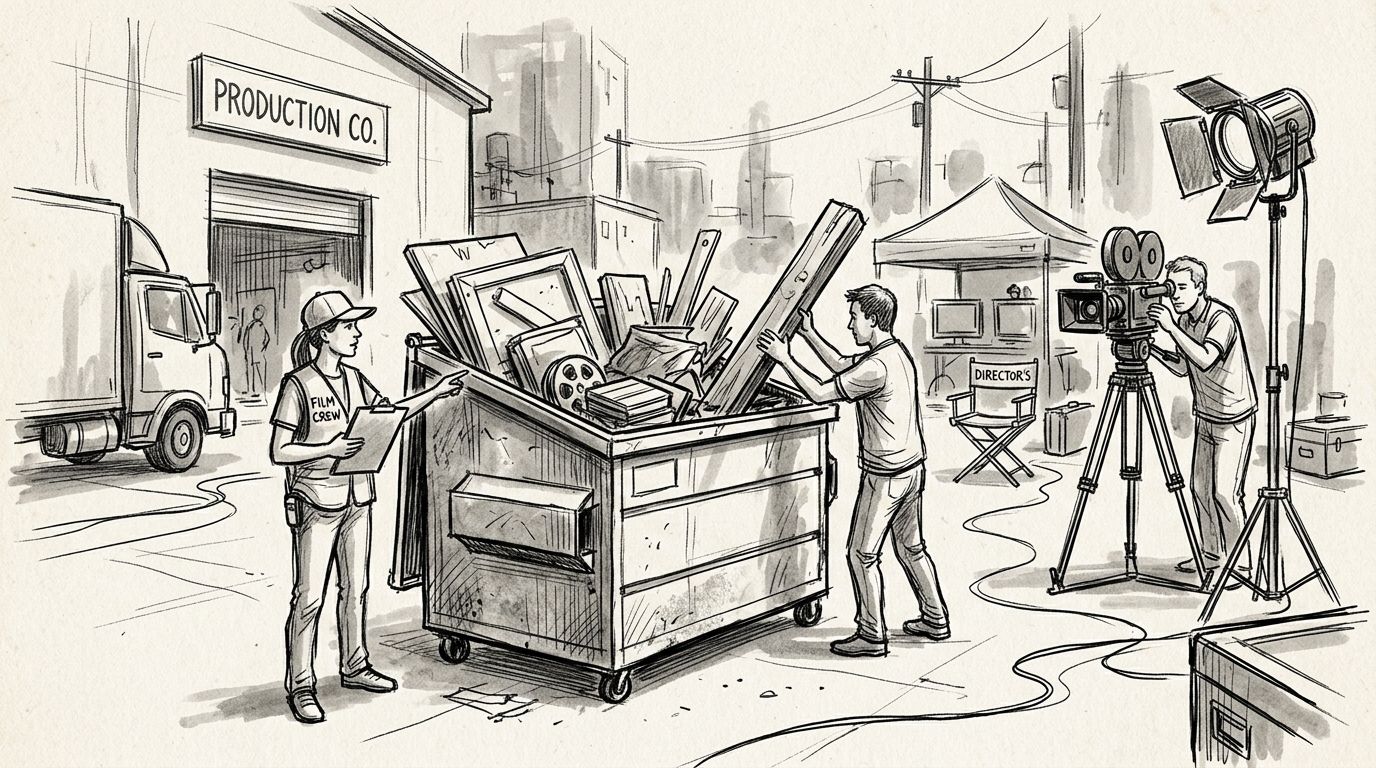
- Treating a cardboard container as a catch-all. Mixing in scrap wood, drywall, or metal changes the weight math and can complicate drop-off sorting at the transfer station.
Verdict Comparison
| Job Type | Container Size | Load Pattern | Verdict |
|---|---|---|---|
| Retail store renovation | 30-yard | Heavy in first 10 days | Buy |
| Warehouse cleanout | 40-yard | One large pull | Buy |
| Restaurant renovation | 20-yard | Short, heavy burst | Consider |
| Small business cleanout | 10-yard | Steady, lower volume | Buy |
FAQ
What size roll-off container do I need for cardboard and paper?
Most single-location cardboard loads fit a 10 to 20-yard roll-off container in 2026. Retail buildouts and warehouse cleanouts with heavier volume typically need a 30 or 40-yard container.
Can I mix cardboard with construction debris in the same container?
Yes, a standard roll-off container handles mixed cardboard and C&D debris without issue. Keep wet materials separate if you want to hold down the load weight.
How much cardboard fits in a 20-yard container?
A 20-yard container holds significantly more flattened cardboard than loose boxes, roughly two to three times more by volume. Flattening before loading is the main way to stretch capacity.
Do I need a permit to place a container for a cardboard cleanout in San Jose?
Permit requirements depend on where the container sits, mainly if it's placed on a public street rather than private property. Check placement rules before delivery day.
How long can I keep a container on site?
Rental duration is scheduled at booking and can be adjusted for multi-week projects like retail renovations. Confirm your pickup date in advance rather than waiting until the container is full.
What's the difference between a cardboard container and a general C&D container?
Both use the same blue steel roll-off container. The difference is what goes in it: a cardboard-heavy load stays lighter and fills by volume, while a general C&D load fills by weight faster.
Can Valley Services pick up a container the same day it's full?
Same-day pickup depends on route scheduling for the day. Call (408) 297-5404 to check availability for your site.
Is there a weight limit on a cardboard-only container?
Every roll-off container size carries a weight allowance regardless of what's inside. Cardboard alone rarely reaches that limit unless it's wet or mixed with heavier debris.
One Last Thing
Flattened cardboard packs down to roughly a third of the space loose boxes take up, which means the difference between a crew that breaks down cartons and one that doesn't can be an entire container size. Before booking, ask your crew lead one question: are we flattening as we go, or tossing boxes whole? The answer changes the size you should book.
For sizing help on your specific job, call Valley Services at (408) 297-5404 or reach out through valleyservices.biz. The yard has handled cardboard-heavy loads across San Jose, Santa Clara, and the South Bay since 1986, and can walk through container size against your project timeline before delivery day.