A medical office renovation runs under tighter rules than a typical tenant improvement: patients and staff still move through the building, records sit in the demo path, and code inspectors expect a secured, controlled site from delivery to final pickup. This guide ranks the site service setups that actually fit medical office scopes, from a single-suite refresh to a multi-phase build next to an occupied clinic, so you can match container size, fencing, and restroom needs to the job before demo starts.
- A 20-yard roll-off container covers most single-suite medical office renovations in 2026. Book it.
- Full-floor gut jobs need a 30-yard container plus temporary fencing around the demo zone. Book it.
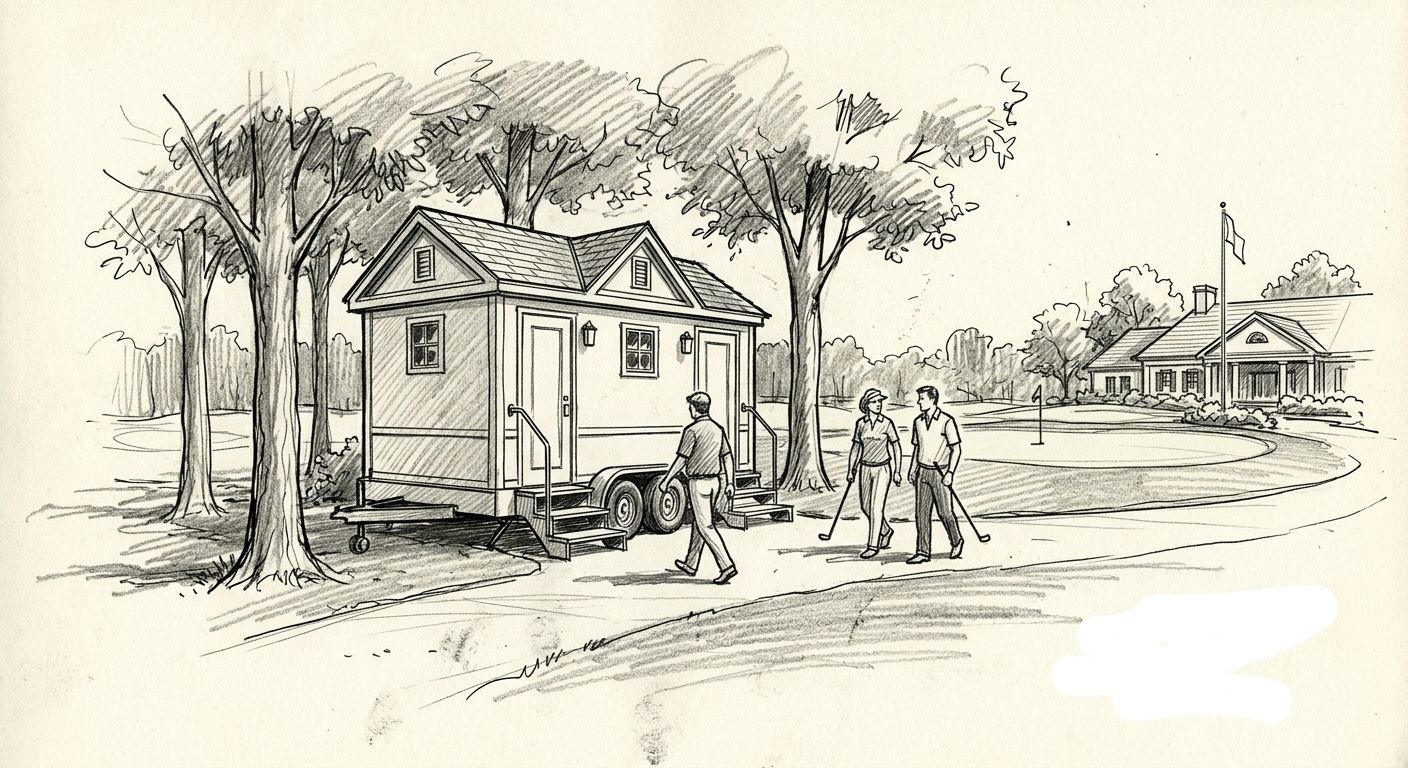
- Multi-phase buildouts next to active clinics need a container rotation and a restroom trailer for displaced staff. Consider it.
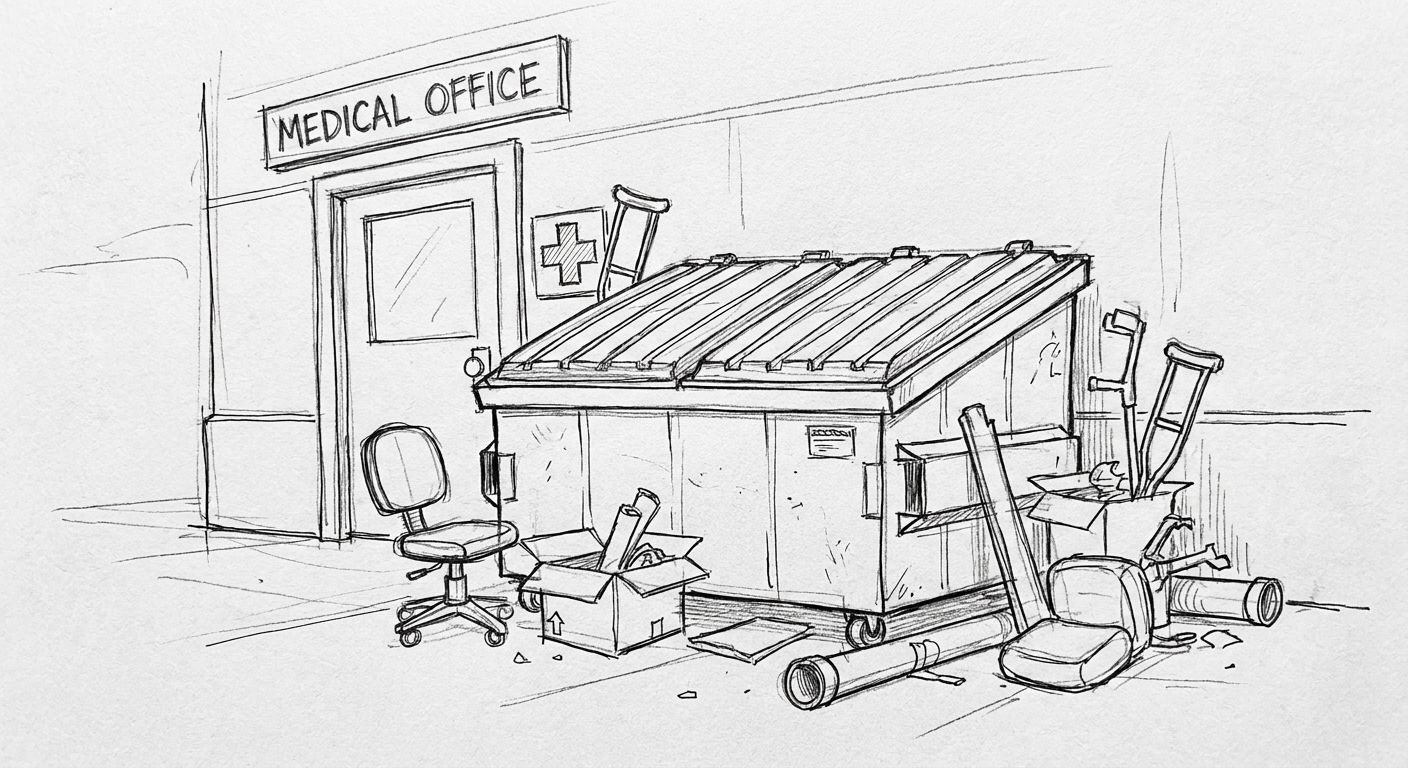
- Standard roll-off containers do not take sharps or biohazard waste. Skip the container for that stream and handle it separately.
- Valley Services runs containers, restrooms, and fencing from one San Jose yard and operates its own C&D transfer station.
Why this matters for a medical office job
A medical office isn't a warehouse or an empty retail box. Half the suites next door might still be seeing patients while your crew tears out cabinetry, flooring, and old exam room partitions. That changes three things: where the container sits, when it gets loaded and hauled, and what fencing separates the work zone from foot traffic.
Get the sizing wrong and you either pay for a container sitting half empty in a lot with limited parking, or you're calling for a swap mid-week because the first one filled on day two. Get the scheduling wrong and a full container blocks a patient drop-off lane during business hours. Valley Services runs roll-off containers, restrooms, and temporary fencing out of one San Jose yard, which means one phone call covers the container, the fence line, and the restroom trailer if the building's facilities go offline during the work.
How this list is ranked
Each setup below is ranked by how it matches a specific medical office renovation scope: single-suite refresh, full-floor gut, multi-phase build near active patient care, off-hours turnover work, and jobs that touch biohazard-adjacent demo. The ranking weighs container capacity against site constraints that matter on an occupied medical building: limited parking, patient sightlines, and inspection timing. None of this is theoretical. It's the same logic a dispatcher runs before a truck leaves the yard.
The setups, ranked by scope
1. Single-suite tenant improvement — the everyday case
Most medical office renovations in 2026 are a single suite: exam rooms, a reception area, maybe a small lab. A 20-yard roll-off container clears cabinetry, flooring, drywall, and ceiling tile from a 1,500 to 3,000 square foot suite without a mid-job swap in most cases. It fits in a standard loading zone or a few reserved parking stalls, which matters when the building manager only gives you one section of the lot.
Verdict: Book. This is the default size for the majority of suite refresh jobs.
2. Full-floor gut renovation — the demo-heavy job
When the scope covers an entire floor, cabinetry and flooring debris volume climbs fast, and bulky items like old exam tables and casework add up. A 30-yard container paired with temporary fencing around the active demo zone keeps debris contained and keeps anyone walking the hallway from wandering into a work area with exposed wiring or open flooring.
The fencing matters here more than the container size. An occupied medical building with a demo crew working past a fabric partition is a liability problem, not just an inconvenience.
Verdict: Book, with fencing as a non-negotiable line item, not an add-on.
3. Multi-phase buildout near active patient care — the long game
Some tenant improvements run in phases so the clinic can keep seeing patients in the untouched half of the building. That calls for a container rotation scheduled around clinic hours rather than one container sitting for the full job, plus a restroom trailer if the renovation takes the building's restrooms offline for staff or contractors during the work.
This setup takes more coordination on the front end: confirming which days the container gets swapped, and confirming restroom placement doesn't sit in a patient-facing sightline.
Verdict: Consider. Right call for phased work, overkill for a two-week single-suite job.
4. Off-hours turnover renovation — the fast turnaround
Property managers doing a fast suite turnover between tenants often want the container in and out on a compressed schedule, sometimes overnight or over a weekend to avoid disrupting other tenants in the building. A smaller container, often 10 or 15 yard, with delivery and pickup scheduled around business hours keeps the lot clear when patients or other tenants are on site.
Verdict: Book for turnover scopes under roughly two weeks with a defined move-out date.
5. Biohazard-adjacent demolition — the one to flag before you sign anything
Older exam rooms sometimes come with sharps containers, old biohazard bins, or materials that fall outside standard construction and demolition debris. A standard roll-off container is built for C&D: drywall, flooring, cabinetry, framing. It is not built for regulated medical waste streams, and mixing the two creates a compliance problem at the transfer station, not just at the job site.
Verdict: Skip the standard container for anything flagged as regulated medical waste. Segregate it and handle it through the building's existing medical waste process before the general roll-off shows up.
“A blue steel container parked across a patient hallway is a life-safety problem, not a construction detail.”
Comparison at a glance
| Scope | Container size | Key add-on | Verdict |
|---|---|---|---|
| Single-suite refresh | 20 yard | None required | Book |
| Full-floor gut renovation | 30 yard | Temporary fencing | Book |
| Multi-phase, occupied clinic | Rotation, 20-30 yard | Restroom trailer | Consider |
| Off-hours turnover | 10-15 yard | Compressed pickup window | Book |
| Biohazard-adjacent demo | Not a standard roll-off | Separate handling | Skip |
A setup that fits a retail store renovation or a daycare and preschool renovation follows the same sizing logic: match container capacity to occupied-building constraints, not just square footage. Medical offices add the patient traffic and privacy layer on top.
How to line this up before demo day
- Confirm parking and access with the building or property manager first. Medical office lots often have reserved patient stalls that can't be blocked, which limits where a container can sit.
- Call before demo starts, not the week you need the container. Container availability and lot access both take lead time to confirm, especially for a fenced demo zone.
- Ask directly whether any part of the debris stream is regulated medical waste. A standard C&D container and transfer station handle construction debris. They do not handle sharps or biohazard material.
Line up your renovation site services
One call covers container sizing, fencing, and restroom needs for the job.
FAQ
What size dumpster do I need for a medical office renovation?
Most single-suite medical office renovations in 2026 use a 20-yard roll-off container. Full-floor gut jobs typically need a 30-yard container, and fast turnover work under two weeks often fits a 10 to 15 yard unit.
Can a roll-off container take medical waste from an exam room demo?
No. A standard roll-off container is built for construction and demolition debris like drywall, flooring, and cabinetry, not sharps or regulated biohazard material. That stream needs to be segregated and handled separately before the container arrives.
Do I need temporary fencing for a medical office demo zone?
Yes, if the building stays occupied during the work. Fencing keeps patients and staff out of a demo zone with exposed wiring or open flooring, and it's the difference between a controlled site and a liability problem.
How far in advance should I schedule a container for a clinic renovation?
Call before demo starts, not the week you need delivery. Lot access and container availability both need lead time, especially when fencing and off-hours scheduling are part of the plan.
What if the renovation happens in phases while the clinic stays open?
A container rotation scheduled around clinic hours, plus a restroom trailer if the building's restrooms go offline, handles multi-phase work better than one container sitting for the full project.
Is off-hours delivery available for medical office turnovers?
Delivery and pickup can be scheduled around business hours to keep the lot clear during patient hours, which matters most on fast turnover jobs with a defined move-out date.
Does Valley Services handle both the container and the fencing?
Yes. Valley Services runs roll-off containers, temporary fencing, and restroom rentals from one San Jose yard, so a single call covers all three for the same jobsite.
Where does the debris actually go after pickup?
Valley Services operates its own construction and demolition transfer station in San Jose, which controls the endpoint and the schedule instead of relying on a third-party disposal site.
One last thing
The detail that trips up most medical office renovations isn't the container size. It's the lot. A 30-yard container needs roughly the footprint of two standard parking stalls, and medical office lots rarely have two stalls to spare without cutting into patient parking. Walk the lot with the property manager before you order anything, not after the container shows up and has nowhere to sit.
Valley Services has run containers, restrooms, and fencing out of the same San Jose yard since 1986, third generation, same family. Call (408) 297-5404 or visit valleyservices.biz to talk through the scope before you schedule delivery.