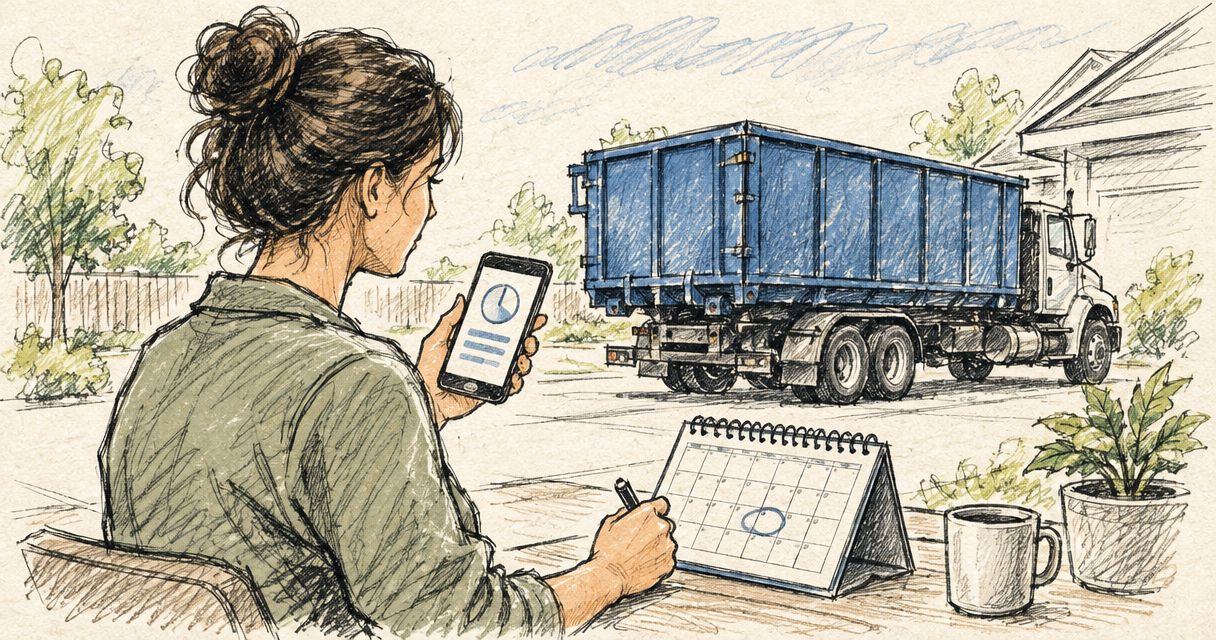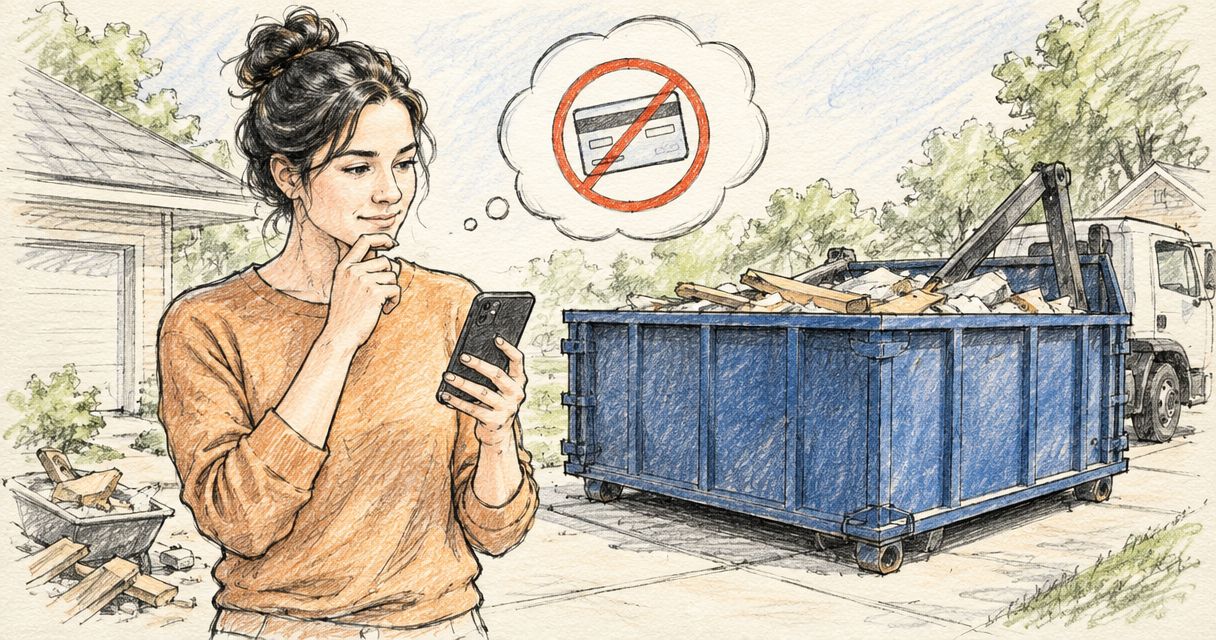
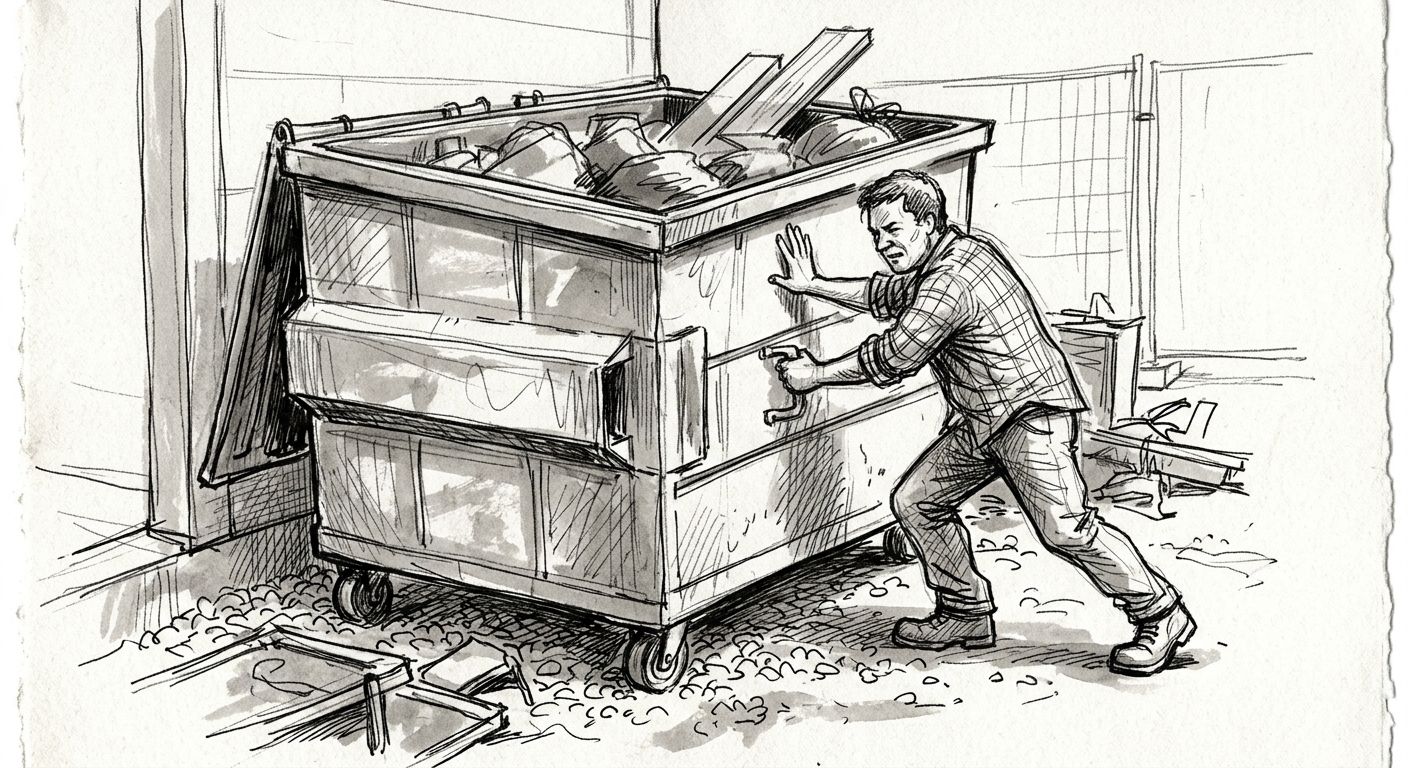
No. Do not move a rented roll-off container after delivery. Stop loading it, mark the placement you need, and ask the rental provider to arrange a move. Pushing or towing the container yourself creates a safety risk and can put it outside the agreed pickup location.
- Can I move a rented dumpster once delivered? Do not move the roll-off container yourself. Call the rental provider.
- Stop loading before requesting a move. Give the provider a clear new placement and access route.
- Valley Services is a practical fit for Bay Area jobsites coordinating roll-off containers with restrooms or fencing.
- If the new location is in a street or another controlled area, check placement requirements before the move.
Why placement matters
A container in the wrong spot can block a delivery, close off a work area, or sit where the pickup truck cannot reach it. The fix is a coordinated move, not an improvised one. Valley Services handles Bay Area site service rentals, including roll-off containers, restrooms, and temporary fencing, so tell the team what else shares the site before you choose a new position.
The same question comes up on a San Jose renovation, a South Bay cleanout, or a multi-phase construction job: the container was placed for the original plan, then the plan changed. In 2026, treat its position as part of the site layout. A move affects where people work and whether a truck can reach the container later.
Can I move a rented roll-off container once it’s delivered?
Have the rental provider handle the move. Do not use a pickup, forklift, skid steer, or crew to shift a container you do not own. Instead, follow this sequence:
- Stop loading. Keep people and equipment clear while you work out the new placement. Tell the provider whether the container is empty or already holds debris.
- Identify the conflict. State what the container blocks: a gate, delivery route, work zone, parking area, or scheduled load-in.
- Choose a proposed spot. Check that the new position serves the loading crew without cutting off the route needed for pickup.
- Describe the access route. Tell the provider about gates, turns, overhead obstructions, parked vehicles, fencing, and other equipment between the street and the proposed spot.
- Ask the provider to confirm the move. Share the site contact and the time the space will be clear. Do not assume a marked spot is approved for placement.
- Update the site plan. Tell crews where to place debris only after the move is confirmed and completed.
Those steps keep the decision with the people arranging delivery and pickup. They also give the driver a usable description of the new location, rather than a vague request to move the container across the site.
What should you tell the rental provider?
Start with the job address and the on-site contact. Describe the container’s current position and the proposed one using fixed site features such as a gate, building corner, or marked work zone. Explain why it needs to move and whether debris is already inside.
Then describe what the truck will encounter. Is the route open? Has another delivery taken over the approach? Will temporary fencing need to be moved before the driver arrives? Give the provider the facts it needs to assess the move. Do not promise that a truck can reach a position you have not checked from the approach route.
For a 2026 jobsite with several trades, assign one person to coordinate the change. A crew can keep loading toward the old location after the superintendent has chosen a new one. One site contact prevents conflicting directions at delivery, relocation, and pickup.
Keep the placement or request a move?
| Option | Best for | Advantage | Drawback |
|---|---|---|---|
| Keep the delivered placement | A container that remains accessible and does not interrupt the work | Avoids changing the site layout | Leaves the original conflict in place if access or workflow has changed |
| Request a provider-managed move | A container blocking work or scheduled site access | Lets the provider assess the new position and truck route | Requires coordination before loading resumes at the new spot |
Keep the container where it is if the site still works around it. Request a provider-managed move when the placement interferes with access, safety, or the work sequence. Neither choice fixes an unclear pickup route. Check that route before deciding.
A move within the same property is still a move. The distance is not the deciding factor. A short shift can change the truck’s approach, cross an active work area, or put the container behind a gate that will be locked at pickup. In 2026, make the pickup path part of the placement decision, not a detail left for the last day.
Why a container move varies by site
The provider needs the actual site conditions, not just the distance between 2 spots. These factors determine what you need to discuss:
- Load condition. Say whether the container is empty, partially loaded, or ready for pickup. Do not try to lighten it by moving material around while equipment is being arranged.
- Truck access. A usable spot needs an approach and a departure route. Walk both before requesting a new position.
- Ground and clearance. Point out slopes, soft areas, overhead obstructions, and anything that changes how the truck reaches the proposed spot.
- Other site services. Restrooms, temporary fencing, K-rail, and deliveries can occupy the same access lane. Check the full layout, not the container alone.
- Placement control. A space inside a property and a space in a public street raise different approval questions. Confirm who controls the proposed area before scheduling a move.
- Work sequence. A position that suits demolition can obstruct framing materials, equipment access, or load-out later. Choose the next workable position with those phases in mind.
Do not settle a placement dispute by having another trade push the container aside. Tell the rental provider what has changed. The provider can discuss the move against the container’s condition and the site access you describe.
What if the container blocks a gate or delivery?
Stop the affected movement and call the rental provider. Keep the gate and approach clear for a provider-managed move rather than trying to shift the container with jobsite equipment. If the gate is part of the truck’s exit route, say so when you call.
Separate the immediate problem from the proposed fix. A blocked material delivery tells the provider why the position needs to change; it does not establish that the nearest open patch is a workable container location. Check the route to that patch and the route back out before directing any crew there.
On a San Jose site, that distinction matters when the container, restroom placement, and fenced work area all meet near one entrance. Moving one item can put another in the truck’s path. Valley Services rents roll-off containers, restrooms, and fencing, so give the team the full access picture when coordinating those services.
Can you move the container into the street?
Do not move it into the street yourself. A street position changes who controls the space and can affect access for other road users. Check the applicable placement requirements with the local authority and arrange any approved change with the rental provider.
Do not treat permission for the original location as permission for a new one. Tell the provider the exact proposed position before making plans around it. For a San Jose project, check the street-placement question before a 2026 delivery or relocation is scheduled, not after a container is already blocking a lane.
Can the provider move a loaded container?
Tell the provider what is in the container and how much of it has been loaded; let the provider assess the next step. Do not assume the container can be shifted in place because it arrived empty. The condition at the time of the request is the relevant condition.
If the load has changed since delivery, give a plain description of the debris and whether it sits below the container’s rim. If material is protruding or the load appears unstable, keep people clear and flag it during the call. Do not use a site machine to correct the container’s position while you wait for an answer.
Valley Services operates its own C&D transfer station in San Jose. That gives the team control of its disposal endpoint, but it does not replace a site-specific assessment of a relocation request. Give the team the container’s location, load condition, and access constraints so it can address the right problem.
How do you avoid a second move?
Pick the placement for the full work sequence, not only the first delivery. Before the truck arrives, mark where crews will load, where other deliveries will enter, and which path the truck will use for pickup. Confirm that the proposed space remains available when the project changes phases.
A useful pre-delivery check is short:
- Walk the delivery and pickup route from the street to the proposed spot.
- Check gates, turns, overhead space, parked vehicles, and active work areas.
- Place the container where crews can load it without blocking another scheduled service.
- Tell the rental provider about access restrictions before delivery.
- Put one site contact in charge of placement decisions.
For a 2026 renovation, compare the demolition layout with the next phase before approving placement. For a property turnover, check whether movers or maintenance vehicles will need the same access. For an event load-in, keep the container plan aligned with fencing and restroom placement. The goal is a position that remains usable for both loading and pickup.
FAQ
Can I move a rented roll-off container myself?
No. Ask the rental provider to arrange a move. Tell the provider where the container sits, whether it is loaded, and where you want it placed.
Can I push a rented container with a forklift?
Do not use a forklift to move a rented roll-off container. Stop loading and ask the rental provider to assess the placement and access route.
What should I do if a container blocks my driveway?
Call the rental provider and explain the access conflict. Keep the area clear and identify a proposed position the provider can assess.
Can a container be moved after it has been loaded?
Tell the rental provider the container is loaded before requesting a move. The provider needs the load condition and site access details to assess the next step.
Do I need approval to put a container in a San Jose street?
Check the applicable street-placement requirements with the local authority before arranging that position. Approval for one placement does not establish approval for another.
How do I prepare a new container placement?
Identify the spot, walk the truck’s approach and exit route, and clear conflicts with gates, vehicles, fencing, and other site services. Give those details to the rental provider before the move.
Who should direct a container move on a busy jobsite?
Assign one site contact to coordinate with the rental provider. That person should confirm the proposed spot and tell crews when loading can resume.
One last thing
The new spot is not workable just because crews can reach it on foot. The truck must reach it for pickup, too. Check the exit route before you commit to a move. Valley Services has operated from the same San Jose yard since 1986; its roll-off container team needs the actual access conditions, not just a pin on a site plan.
Related guides
- How to schedule container delivery and pickup
- How to prepare a driveway for a roll-off container
- How to permit container placement in San Jose
If your 2026 site plan has changed after delivery, call Valley Services at (408) 297-5404 to talk through the container’s position and access route.