A Cal/OSHA inspector doesn't care that your standard unit passed inspection on the last job. If a crew member uses a wheelchair, or the general contractor's permit specifies accessible sanitation, an ADA-compliant portable restroom is the only unit that keeps a Bay Area job site legal and the schedule moving in 2026.
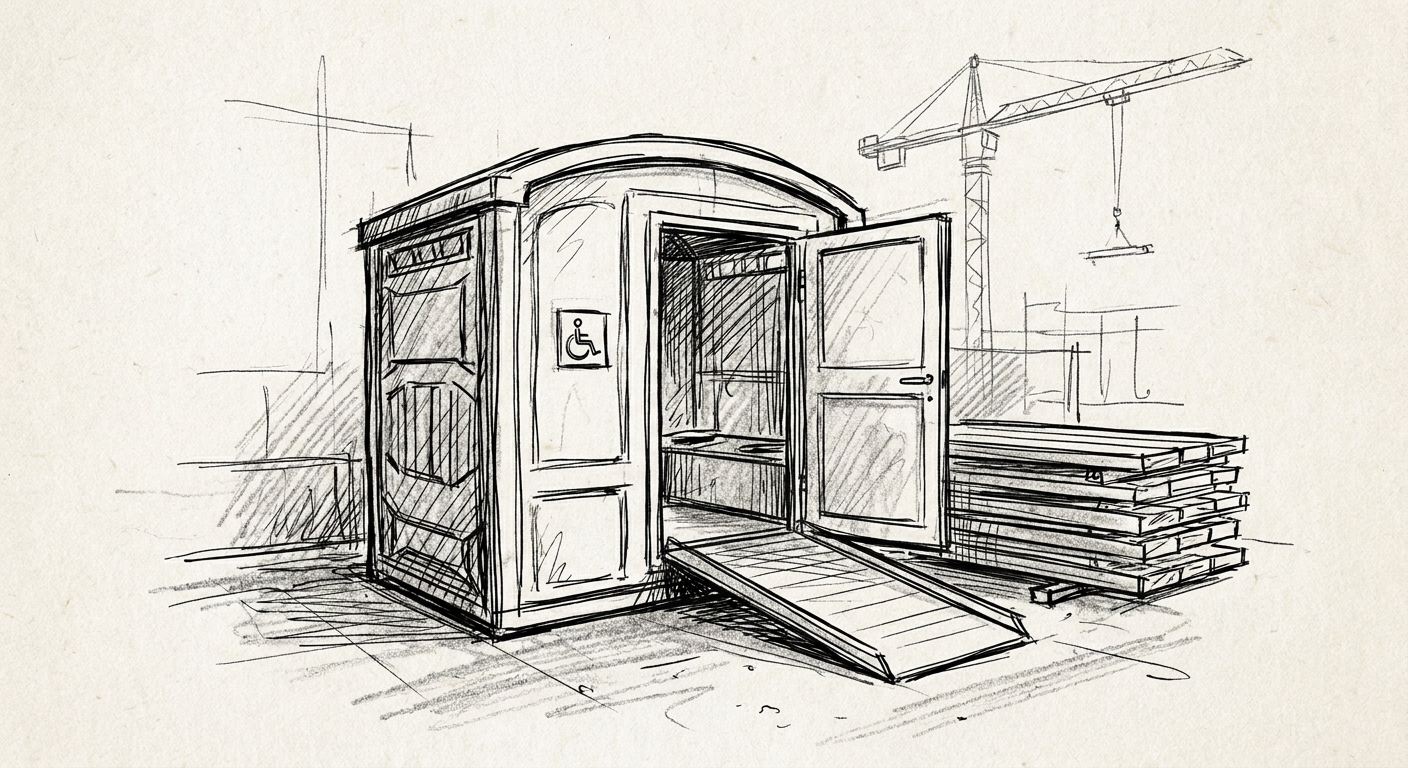
- ADA compliant portable toilet rental needs a 60-inch turning radius, a 32-inch door, and mounted grab bars.
- OSHA counts one restroom per 20 workers on a crew, and ADA units count toward that total.
- The standard ADA unit is the baseline pick for most 2026 Bay Area job sites: Buy.
- Tight urban lots in downtown San Jose often need a holding tank restroom instead of a full ADA unit: Consider.
- Stacking a standard unit next to an accessible one and calling the site compliant is a Skip, not a workaround.
Why This Matters
A non-compliant restroom on a job site with an accessible-sanitation requirement isn't a paperwork problem. It's a stop-work problem. Permits in San Jose and across Santa Clara County can list accessible sanitation as a condition, and a Cal/OSHA site visit that finds a standard unit where an ADA unit was required can hold up an inspection sign-off.
Valley Services runs roll-off containers, restrooms, and temporary fencing out of the same San Jose yard, which means one call sets up the whole site, restrooms included, without chasing three vendors on three schedules.
Who This Is For
This guide is for general contractors and subcontractors staffing a crew member who uses a wheelchair, for GCs working under a permit condition that names accessible sanitation, and for property managers running renovation work on sites open to the public under ADA Title III. It's also for event producers whose city permit requires accessible restrooms at any cluster the public can reach, not just one unit for the whole footprint.
What To Look For In An ADA-Compliant Portable Restroom
Turning radius and interior floor space
The 2010 ADA Standards for Accessible Design call for a 60-inch turning radius inside the unit. A restroom marketed as "accessible" with a cramped interior fails this test the moment an inspector brings a measuring tape. Confirm the interior clearance before the unit ships, not after it's set on site.
Door width and threshold height
A door under 32 inches clear width blocks a standard wheelchair. Thresholds need to sit close to flush, not raised on a lip that catches a front caster. This is the single most common failure point on units marketed generically as "handicap" without a spec sheet behind the claim.
Grab bar placement and mounting
Grab bars need to be mounted at a height and load rating that hold real weight, not decorative rails bolted to thin fiberglass. Ask the rental company for the mounting spec before delivery, not during a walkthrough.
Servicing frequency and truck access
An ADA unit still needs a service truck to reach it on the same schedule as every other restroom on site. If the accessible unit sits behind a locked gate or down a grade the truck can't climb, servicing slips, and a slipped service schedule is its own compliance problem separate from the unit spec.
Path of travel and placement
The unit has to sit on a level, stable surface with a clear path from the work area. A restroom placed on loose gravel or a slope defeats the accessible design regardless of the unit's interior spec. Plan the pad before the delivery truck shows up.
When the budget question comes up before the spec question, it's worth reading how to budget for portable toilet rental on a job site before locking a unit count for the whole job.
Confirm your site's ADA restroom count
Talk through crew size, permit conditions, and site access before delivery.
Top Picks For Job Site ADA Restrooms
The standard ADA-compliant unit. The baseline pick for most 2026 Bay Area sites. 60-inch turning radius, single occupant, meets the door width and grab bar spec out of the gate. Buy for any crew with a permit condition or an ADA-required worker and no unusual access problem.
The ADA unit with an exterior hand-wash station. The crew hygiene pick. Same interior spec as the standard unit, with an attached basin so workers aren't walking to a separate hand-wash setup. Buy for food-adjacent job sites or crews under a client-facing hygiene requirement.
The holding tank restroom for tight lots. The workaround pick for downtown San Jose infill projects where a full-size unit won't fit the setback. A holding tank system trades footprint for a slightly longer service interval. Consider it when the site plan leaves no room for a standard unit, and read the full breakdown before committing.
The ADA unit for limited-access construction sites. The tight-site pick for lots with a narrow gate, a steep grade, or a shared alley delivery. Confirm the truck's turning radius against the site plan before the unit ships, not after. Consider for any job where the standard delivery truck can't make a normal approach.
A standard non-ADA unit stacked next to an accessible one. Some crews try to satisfy a one-unit ADA requirement by parking a regular unit beside it and calling the pair compliant. It isn't. The permit condition and the OSHA ratio both apply to the accessible unit on its own. Skip this setup and order the correct unit count from the start.
What To Avoid
- A unit marketed as "handicap accessible" with no spec sheet. If a rental company can't state the turning radius and door width in inches, the claim is marketing language, not a compliance fact.
- One accessible unit for a multi-cluster event or site. ADA Title III and many San Jose event permits require accessible restrooms at every cluster the public reaches, not one unit for the whole footprint.
- A provider that can't confirm current servicing on the ADA unit specifically. A missed service on a standard unit is an inconvenience. A missed service on the one accessible unit on site is a compliance gap. Before signing with any vendor, compare notes against what to look for in portable restroom rental companies for construction sites.
Verdict Comparison
| Unit type | Turning radius | Door width | Grab bars | Verdict |
|---|---|---|---|---|
| Standard ADA unit | 60 in | 32 in | Mounted, load-rated | Buy |
| ADA unit with hand-wash station | 60 in | 32 in | Mounted, load-rated | Buy |
| Holding tank restroom | 60 in | 32 in | Mounted, load-rated | Consider |
| ADA unit for tight-access sites | 60 in | 32 in | Mounted, load-rated | Consider |
| Standard non-ADA unit paired with an ADA unit | N/A | Under 32 in | None or fixed rail | Skip |
FAQ
What makes a portable restroom ADA compliant?
An ADA-compliant portable restroom meets the 2010 ADA Standards for Accessible Design: a 60-inch interior turning radius, a 32-inch clear door width, and mounted, load-rated grab bars. A unit missing any one of these specs does not meet the standard regardless of how it is marketed.
How many ADA-compliant restrooms do I need per crew size?
OSHA requires one restroom per 20 workers under 29 CFR 1926.51, and an ADA unit counts toward that ratio. If any worker on the crew requires accessible sanitation, at least one of those units on site needs to meet the ADA spec.
Is a holding tank restroom ADA compliant?
A holding tank restroom can meet the same interior turning radius and door width spec as a standard ADA unit. Confirm the specific model's dimensions with the rental company before ordering, since holding tank configurations vary by footprint.
Does OSHA require ADA-compliant restrooms on construction sites?
OSHA sets the general restroom-to-worker ratio at one per 20 workers but does not itself write the ADA accessibility spec. The ADA requirement comes into play when a crew member needs accessible sanitation or a local permit condition names it.
Can I place an ADA unit on gravel or dirt?
An ADA unit needs a level, stable surface and a clear path of travel from the work area. Loose gravel or an unlevel pad can defeat the accessible design even when the unit itself meets every interior spec.
How often are ADA-compliant restrooms serviced?
Servicing frequency depends on crew size and job duration, and the same schedule logic applies to ADA units as standard units. The difference is access: confirm the service truck can reach the accessible unit on the same route as the rest of the site.
Do event permits in San Jose require ADA-compliant restrooms?
Many San Jose event permits for public gatherings require accessible restrooms at each cluster the public can reach, not a single unit for the whole footprint. Check the specific permit condition before finalizing the restroom count.
What's the difference between an ADA unit and a luxury restroom trailer?
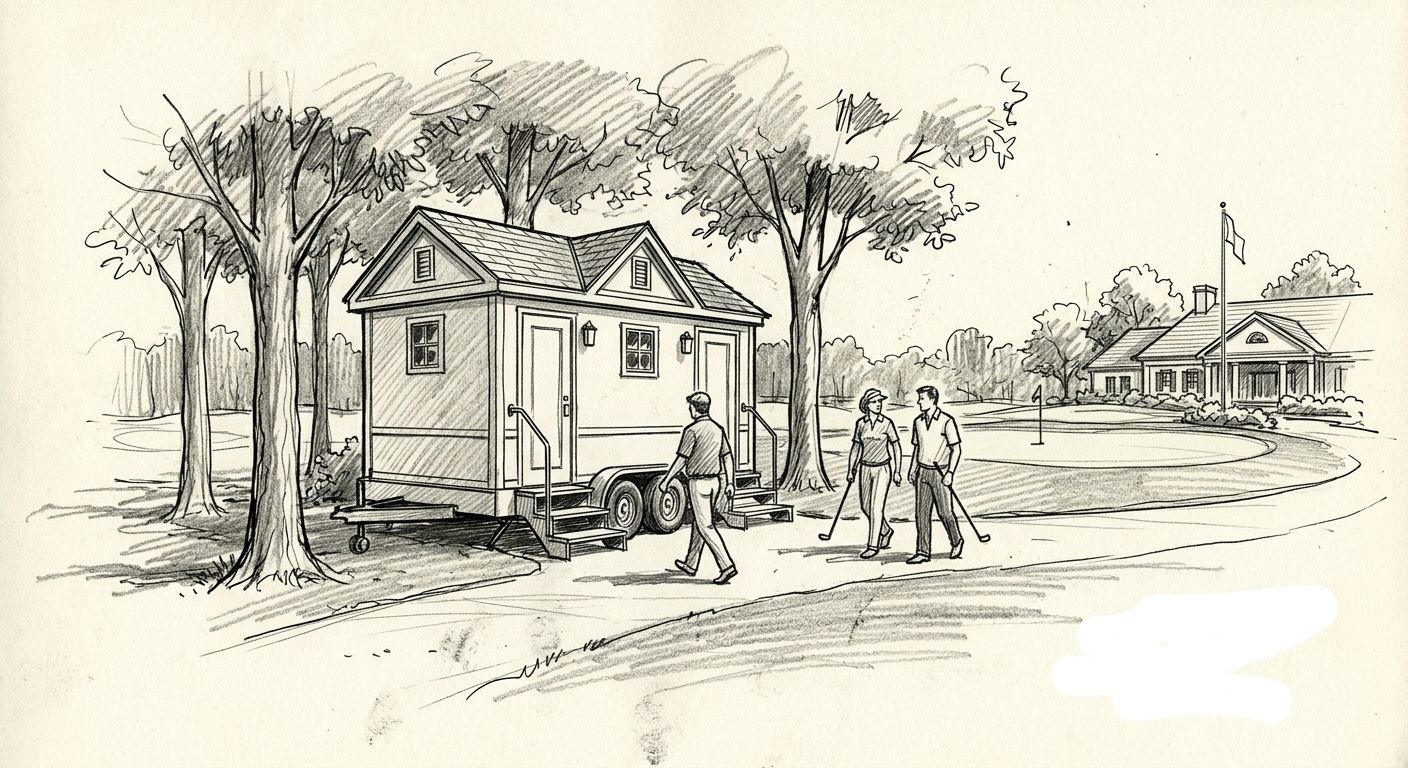
An ADA-compliant portable restroom is built to the 60-inch turning radius and 32-inch door spec for accessible use on a working job site. A luxury restroom trailer is a separate category built for client-facing or event settings and is not automatically ADA compliant unless the specific trailer model is built to spec.
One Last Thing
Most GCs assume one accessible unit covers the whole site. On multi-cluster sites or public-facing events, the permit condition or ADA Title III requirement often applies per cluster, not per project. Confirm the cluster count with the permitting office before ordering, not after the units are already on the truck.
Call (408) 297-5404 or reach out through valleyservices.biz to talk through crew size, permit conditions, and unit count for the job.