A Bay Area bank or credit union branch renovation in 2026 comes down to matching container capacity to the phase of work while the vault, the ATM, and sometimes the lobby stay live. The 20-yard blue steel roll-off container wins for a full interior gut, the 15-yard unit wins for a cosmetic teller-line refresh, and a combined container, restroom, and fencing package wins for any project running while the branch stays open for business.
- 20-yard blue steel roll-off container is the default pick for a full single-branch interior gut in 2026.
- 15-yard container handles a cosmetic teller-line refresh without eating the whole parking lot.
- 30-yard and 40-yard containers cover vault relocation, structural rework, and multi-phase demolition.
- A combined container, restroom, and fencing package is the right call when the branch stays open during construction.
- Valley Services runs its own San Jose transfer station, so container swaps are not stuck behind a third party's schedule.
Why this matters
Bank branches do not renovate like retail stores. Cash rooms, vaults, and network cabling stay locked down even during a full interior gut, and most branches keep a drive-through lane or an ATM vestibule open to customers through most of the project. That limits where a container can sit, how often it can get swapped, and how much of the lot a crew actually controls.
Valley Services has run site services out of the same San Jose yard since 1986, third generation, and owns the C&D transfer station its own containers haul to. On a branch job that matters in a specific way: a stuck swap means a dumpster parked in a customer's spot for an extra day, and a branch manager calling the general contractor asking why. Owning the endpoint means the swap schedule is not held hostage by someone else's disposal site.
Audit and compliance windows add another wrinkle most retail remodels do not have. Debris containing old records, cash-handling equipment, or security hardware needs a clear chain of custody off the site, which is one more reason a single vendor covering containers, restrooms, and fencing beats juggling three separate calls.
What makes the right dumpster rental setup for a bank branch renovation
- Capacity matched to project phase. A teller-line refresh generates far less debris than a vault relocation.
- Lot space and drive-through clearance. Most branches share parking with a strip center or sit on a small standalone pad.
- Security during the job. Cash rooms and vaults cannot sit exposed behind an open container or an unsecured perimeter.
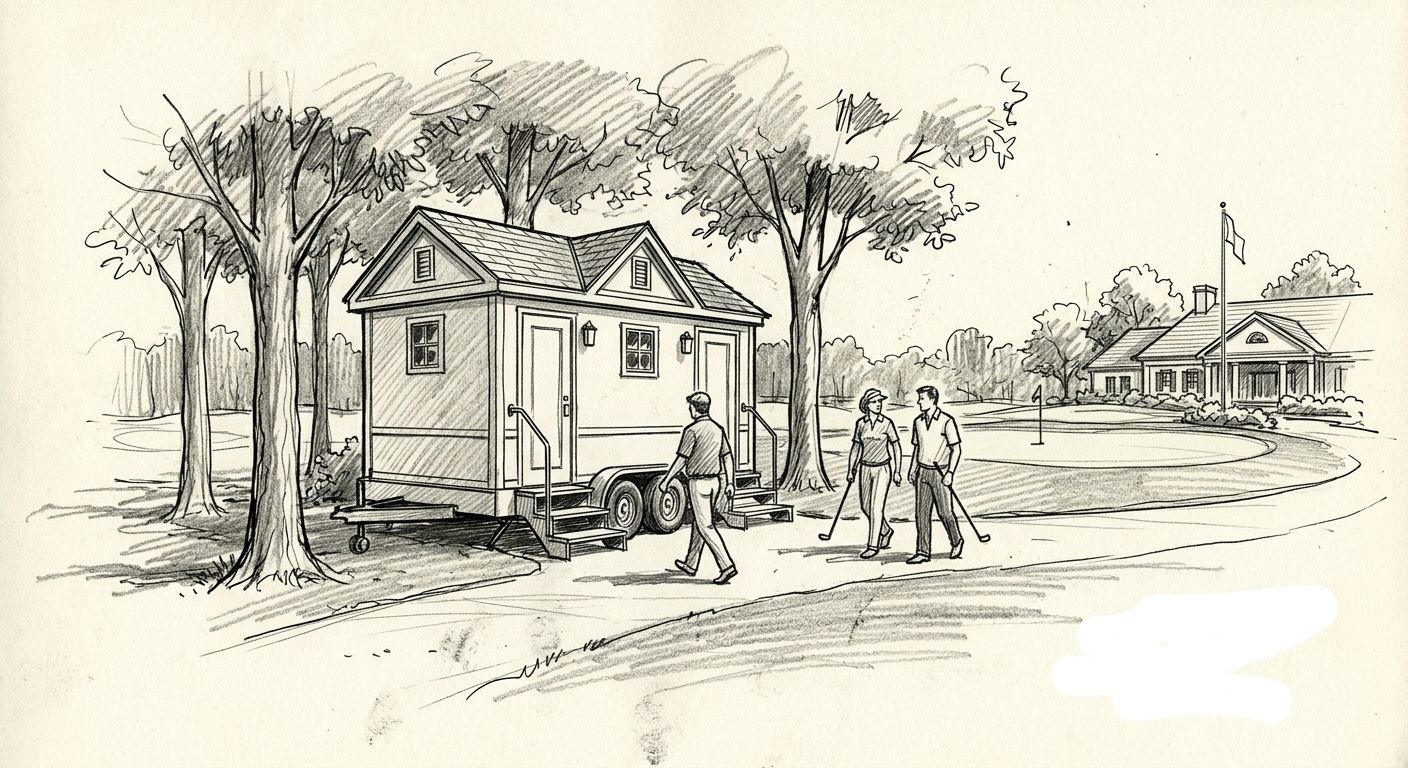
- Restroom capacity for the crew. Branch restrooms are usually off-limits to contractors during business hours.
- Schedule control around bank hours. Swaps and pickups typically need to happen before opening or after close.
- One point of contact for containers, restrooms, and fencing. Fewer vendors means fewer scheduling conflicts on a tight branch timeline.
At a glance: dumpster rental options for bank and credit union renovations
| Option | Best for | Standout feature | Key limitation |
|---|---|---|---|
| 15-yard blue steel container | Cosmetic teller-line and lobby refresh | Fits tight lots and drive-through lanes without blocking access | Fills fast if flooring and casework removal both hit the same load |
| 20-yard blue steel container | Full interior gut of one branch | Handles drywall, ceiling tile, and casework in one to two loads | Undersized once the scope touches the vault or structural walls |
| 30-yard blue steel container | Vault relocation and structural rework | Rated for concrete, steel, and other heavy vault debris | Needs more curb or lot space to place |
| 40-yard blue steel container | Multi-phase full-branch demolition and rebuild | Largest standard capacity for staged teardown schedules | Requires clear truck access for delivery and every swap |
| Container, restroom, and fencing package | Renovation while the branch stays open | One call covers debris, crew restrooms, and perimeter control | Coordinating three services adds lead time versus a container alone |
1. 15-yard blue steel container: dumpster rental for a bank branch cosmetic refresh
A 15-yard blue steel roll-off holds the debris from flooring tear-out, teller counter removal, and a light fixture swap in a single branch lobby. It fits in one or two standard parking stalls, which matters when a branch shares a lot with retail neighbors.
15-yard container pros:
- Fits in tight urban lots and drive-through areas without blocking customer access
- Enough capacity for carpet, ceiling tile, and light fixture debris from one lobby
- Easiest size to place and pull on a short-notice schedule
15-yard container cons:
- Fills fast if the scope includes flooring plus casework removal in the same week
- Not rated for concrete or vault demolition debris
- May need a mid-project swap on anything past a two-week refresh
Best for: cosmetic teller-line and lobby refresh work. Verdict: book it for cosmetic-only scopes, skip it if the job touches structural or vault work.
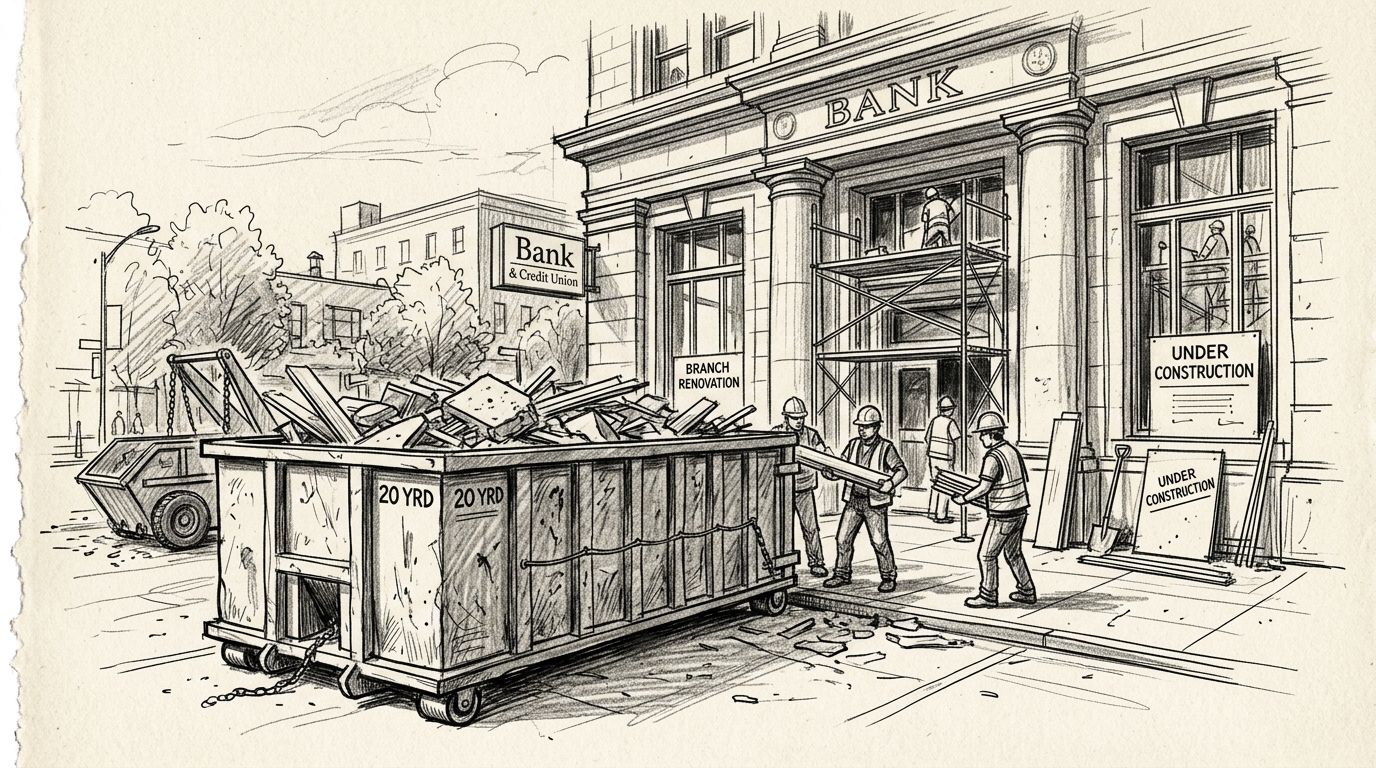
2. 20-yard blue steel container: dumpster rental for a full interior branch gut
A full interior gut, drywall, ceiling grid, casework, doors, and the old teller line, generates more debris than most general contractors expect from a building under 3,000 square feet. The 20-yard container is the size that shows up most often on single-branch interior remodels in 2026. The scope looks a lot like office renovation projects of the same square footage, just with a teller line instead of cubicles.
20-yard container pros:
- Handles drywall, ceiling tile, and casework from a full interior demo in one to two loads
- Standard footprint fits most branch parking lots without a special placement plan
- Matches the pace of a typical single-branch remodel timeline
20-yard container cons:
- Still undersized for vault, safe, or structural steel removal
- Two loads on a heavy scope means coordinating a second swap
- Loading past the fill line adds weight fees, so load order matters
Best for: full interior gut of one branch location. Verdict: book it for standard interior remodels, size up if the scope touches the vault or structural walls.
3. 30-yard blue steel container: dumpster rental for vault relocation and structural rework
Moving or reinforcing a vault, cutting out structural steel, or replacing a slab section produces dense debris that fills a smaller container by weight long before it fills by volume. Weight limits work the same way they do on medical office renovations: heavy material maxes out the tonnage before the box even looks full. The 30-yard size gives a crew room for concrete, steel, and vault door components without stacking multiple swaps into one week.
30-yard container pros:
- Rated for concrete, steel, and other heavy structural debris
- Fewer swaps needed on a vault or safe relocation scope
- Cuts down on staging time by keeping debris close to the work
30-yard container cons:
- Needs more curb or lot space than a 15 or 20-yard unit
- Overloading with concrete past the weight limit triggers overage charges
- Placement usually needs sign-off from property management on a shared lot
Best for: vault relocation, safe removal, and structural rework. Verdict: book it for any scope touching the vault or load-bearing walls.
4. 40-yard blue steel container: dumpster rental for multi-phase branch demolition and rebuild
A full-branch demolition and rebuild, the kind that closes a location for weeks rather than days, moves through debris volume fast enough that a 40-yard container earns its footprint. It is the largest standard size and the right call when the project runs in phases across 2026.
40-yard container pros:
- Largest standard capacity for staged demolition and rebuild work
- Fewer total swaps across a multi-week or multi-phase teardown
- Matches the pace of a full closure project better than smaller sizes
40-yard container cons:
- Requires clear truck access for delivery and every swap
- Overkill and wasted lot space for anything short of a full gut or teardown
- Longer lead time to schedule around a full closure calendar
Best for: multi-phase full-branch demolition and rebuild. Verdict: book it for full closures, skip it for anything smaller than a complete teardown.
5. Container, restroom, and fencing package: site services for an occupied branch renovation
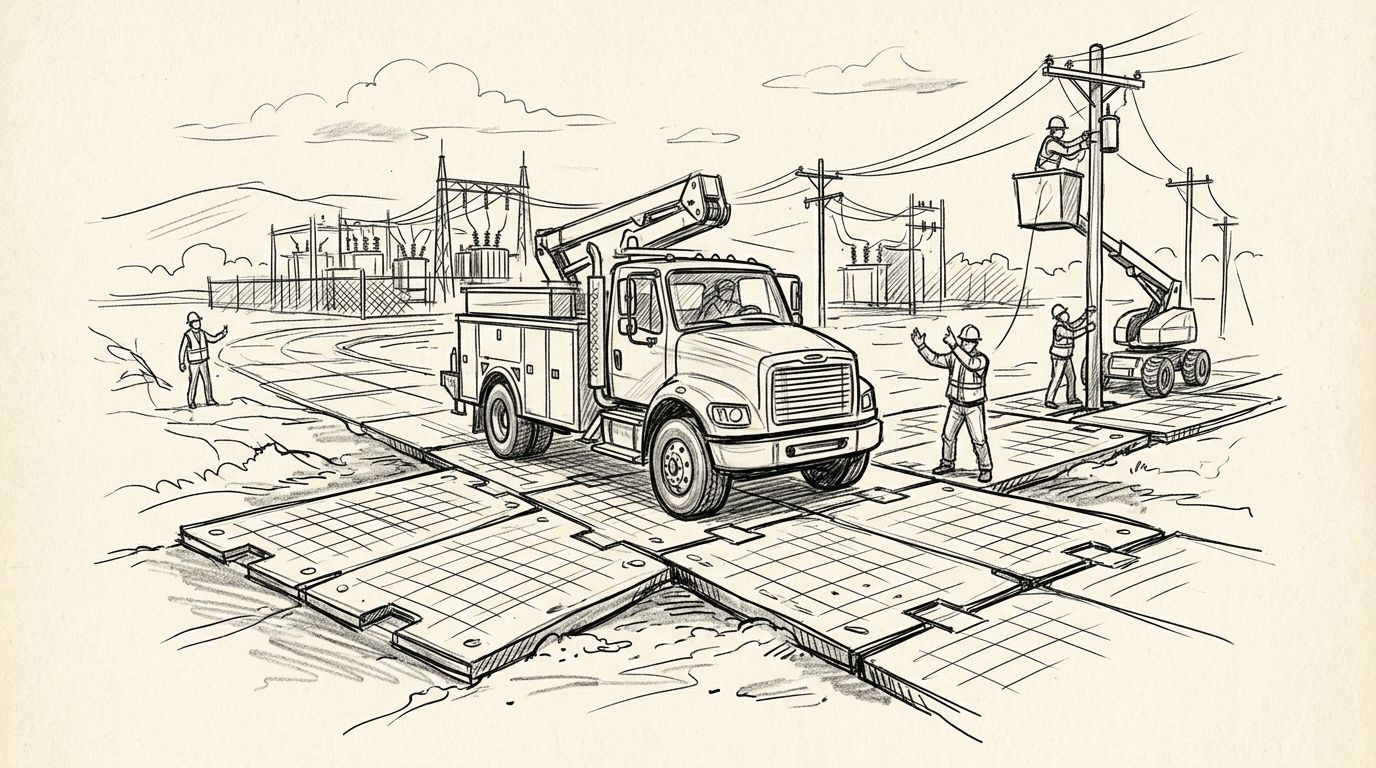
Plenty of branch renovations happen while the lobby, drive-through, or ATM vestibule stays open to customers. That changes the job from placing a container to controlling the whole site, which is where a combined package of a roll-off container, restrooms for the crew, and temporary fencing earns its spot on this list.
Package pros:
- One point of contact covers debris, crew restrooms, and perimeter control
- Fencing keeps customers away from the active work zone without closing the branch
- Crew restrooms mean contractors are not asking to use branch facilities during business hours
Package cons:
- Coordinating three services adds lead time versus booking a container alone
- Site footprint needs to account for container, fencing line, and restroom placement together
- Not necessary on a fully closed branch with no customer traffic to manage
Best for: renovations running while the branch stays open for business. Verdict: book it whenever customers or staff are on-site during the work, skip it on a full closure.
“If the branch stays open to customers, the fencing line matters as much as the container size.”
Permits and site control on a bank job
San Jose and most South Bay cities require a placement permit for a container sitting in a public right-of-way or blocking a fire lane, and a branch lot rarely has room to spare. Add K-rail or temporary fencing around the ATM vestibule or drive-through during vault or structural work, both for Cal/OSHA site control and to keep customers from wandering into an active demo zone. Property managers running multi-tenant lots usually want the fencing plan in writing before a container ever shows up.
Scheduling around bank hours
Most branch swaps and pickups need to happen before opening or after close, not mid-day. Lock in delivery and swap windows early instead of assuming a same-week pull, and confirm how to schedule a dumpster delivery and pickup around the branch's operating calendar before the first load goes in.
How we ranked these options
Each size and package is ranked against the six criteria above: capacity per project phase, lot space, security, restroom needs, schedule control, and single-point-of-contact coordination. No two options compete for the same job type. A 15-yard container never goes head-to-head with a 40-yard unit because they are built for different scopes, not different budgets.
Which dumpster rental fits your bank or credit union renovation?
A lobby refresh with new flooring and a repainted teller line calls for the 15-yard container. A full interior gut without vault work points to the 20-yard container. Anything touching the vault, a safe, or structural steel needs the 30-yard container's weight capacity. A full-branch teardown and rebuild calls for the 40-yard container. If the branch stays open to customers at any point during the work, add restrooms and fencing to whichever container size fits the debris volume. That is the only way to keep a live branch functioning through construction in 2026.
Plan your branch renovation site services
Talk through container size, restrooms, and fencing for your project timeline.
FAQ
What size dumpster do I need for a bank branch renovation?
A cosmetic teller-line refresh usually fits a 15-yard container, a full interior gut needs a 20-yard container, and vault or structural work needs a 30-yard or 40-yard container. The right size depends on whether the debris is light interior material or heavy structural waste.
Can a roll-off container stay on-site while a bank branch is open?
Yes, as long as the container placement and any temporary fencing keep customers and staff clear of the active work zone. Branches running live during construction typically add restrooms and fencing alongside the container.
Do bank and credit union renovations need portable restrooms?
Yes, when branch restrooms are off-limits to contractors during business hours, which is common on occupied-branch jobs. Crews working a live branch usually need dedicated restrooms separate from customer facilities.
How long can I rent a roll-off container for a branch remodel?
Rental length should match the project phase, not a fixed calendar window. A cosmetic refresh might need a container for one to two weeks, while a multi-phase teardown needs it for the full construction schedule with swaps built in.
What can't go in a construction dumpster during a bank renovation?
Hazardous materials, certain electronics, and items requiring separate disposal handling do not belong in a standard construction container. Confirm any site-specific material questions before demolition starts.
Does Valley Services serve San Jose and the South Bay for branch renovations?
Yes, Valley Services covers San Jose, Santa Clara, Sunnyvale, Mountain View, Milpitas, and the surrounding Bay Area. The C&D transfer station itself is located in San Jose.
How much notice is needed to schedule a container delivery for a branch project?
Book as early in the project timeline as the permit and general contractor schedule allow, especially if delivery or swap windows need to land before opening or after close. Confirm the exact delivery and pickup timing directly before work starts.
Is a 40-yard container overkill for a small branch remodel?
Yes, a 40-yard container is built for full-branch demolition and multi-phase rebuilds, not a cosmetic or single-scope remodel. A 15-yard or 20-yard container fits smaller jobs without wasting lot space.
One last thing
On any scope that touches the vault, run the math on tonnage, not cubic yards. Concrete and steel fill a container's weight limit long before they fill its volume, and that is the detail most GCs miss until the first overage charge shows up. Call (408) 297-5404 or reach out through valleyservices.biz to talk through container size, restrooms, and fencing for your branch timeline.