City and county building projects run on inspection windows, prevailing wage schedules, and public right-of-way rules that private jobs never touch. That changes what container size, restroom setup, and site fencing actually work. This guide ranks the roll-off container and site service options that fit government and municipal building projects in San Jose and the South Bay for 2026, with the tradeoffs spelled out instead of glossed over.
- 30-yard and 40-yard roll-off containers top this list for dumpster rental for government building projects in 2026.
- Restroom trailers win for public-facing municipal sites needing ADA access near occupied buildings.
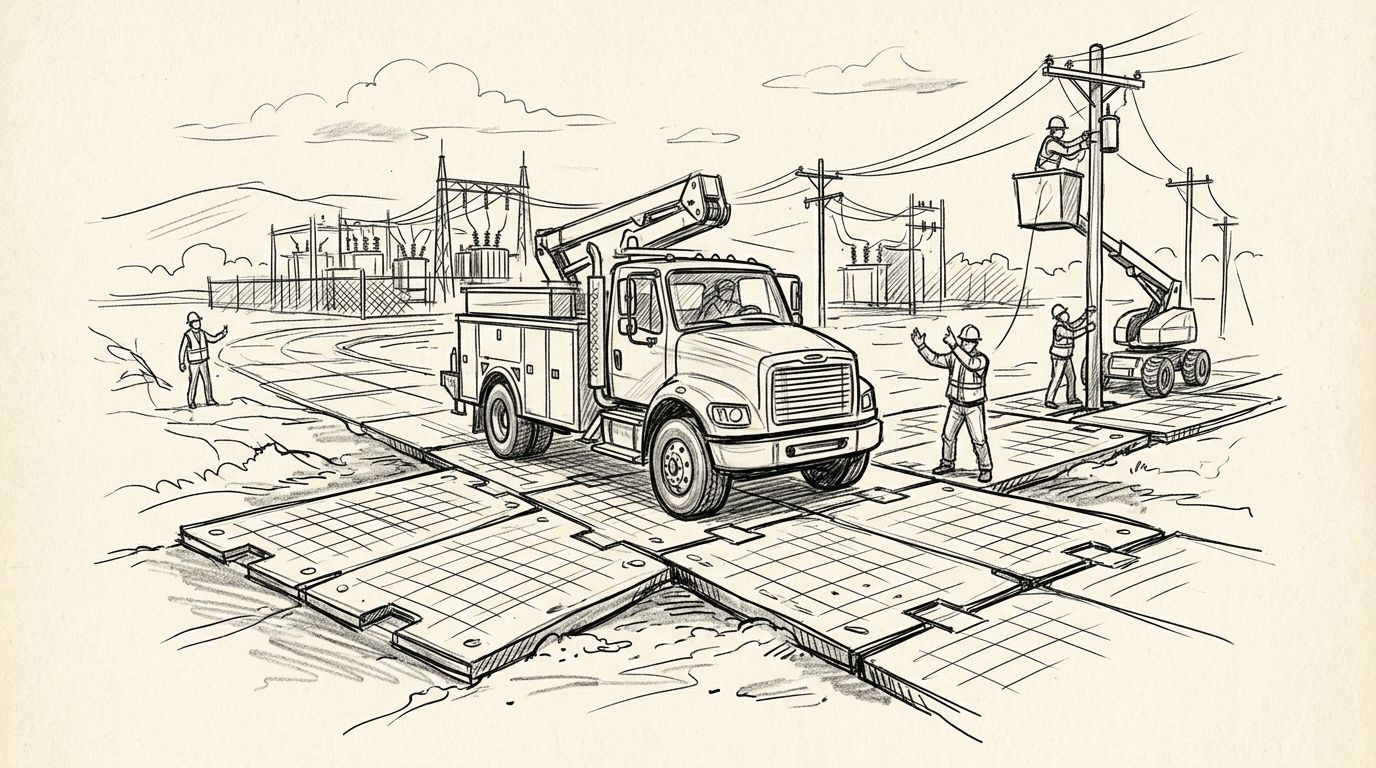
- Temporary fencing and K-rail hold site control on road, highway, and disaster recovery projects.
- Valley Services owns its San Jose transfer station, so drop-off scheduling skips third-party disposal delays.
- Public works crews running self-haul can open a direct transfer station account instead of renting a container.
Why this matters
A municipal renovation or a road project answers to a bid cycle, a council calendar, and often a grant deadline. A container that shows up two days late or a restroom that gets flagged during an inspection turns into a line item nobody budgeted for.
Most site service companies broker their disposal to a third-party landfill or transfer site. Valley Services owns and operates its own construction and demolition transfer station in San Jose, which means the schedule for pickup and drop-off does not depend on someone else's yard having room that week. One call covers roll-off containers, restrooms, and temporary fencing for the same government jobsite instead of coordinating three vendors on three different callback windows.
Valley Services has handled site service logistics at Super Bowl LX and the San Jose Marathon, both large multi-phase events with hard public deadlines. That kind of scheduling discipline carries over directly to a municipal capital project with an occupancy date attached to it.
What makes the best dumpster rental for government and municipal projects
- Single vendor for containers, restrooms, and fencing. Fewer coordination points means fewer chances for a delivery to slip.
- Control of the disposal endpoint. A company that owns its own transfer station is not waiting on a third party's schedule.
- Sizing flexibility across a project's phases. Demolition debris runs heavier and bulkier than interior renovation waste; the container size should change with the phase.
- Documented delivery and pickup timing. Agencies need dates that hold against inspection windows, not estimates.
- Familiarity with San Jose permit rules. Placing a container in a public right-of-way or municipal lot requires knowing local placement rules before the truck rolls.
- Operating history. A vendor a public works department can vet and keep on a long-term contract matters more here than on a one-off residential job.
Options for government and municipal projects at a glance
| Option | Best for | Standout feature | Key limitation |
|---|---|---|---|
| 30-yard roll-off container | City hall and municipal building renovation | Handles mixed renovation debris without oversizing the footprint | Too small for a full structural teardown |
| 40-yard roll-off container | Municipal demolition and teardown | Highest volume capacity in the roll-off lineup | Needs more clearance and a flat load-in area |
| Portable restroom rental | Parks and recreation department field crews | Fast placement for scattered outdoor work sites | Not built for high-traffic public-facing sites |
| Restroom trailer rental | Public-facing municipal construction | ADA-accessible unit suited to sites near occupied buildings | Requires a level pad and utility hookup planning |
| Temporary fencing and K-rail | Road, highway, and disaster recovery projects | Combines site security with traffic and pedestrian control | Adds a separate delivery and teardown to schedule |
| Transfer station direct account | Public works self-haul crews | Skips container rental entirely for agencies with their own trucks | Only works if the department already runs licensed hauling |
1. 30-yard roll-off container: best for city hall and municipal building renovation
A 30-yard roll-off container is the workhorse size for interior renovation and tenant improvement work inside an occupied or partially occupied government building. It holds drywall, flooring, ceiling tile, and fixtures without requiring multiple swaps mid-project.
30-yard container pros:
- Fits most municipal building footprints without blocking a full parking row
- Handles mixed renovation debris in one container instead of sorting by material
- Matches the pace of a phased renovation where crews generate steady daily waste
30-yard container cons:
- Undersized for a full demolition phase
- Still needs a permit if placed on a public street rather than a lot
Verdict: Buy. This is the default size for a municipal renovation and the one to start with unless the scope already points to demolition.
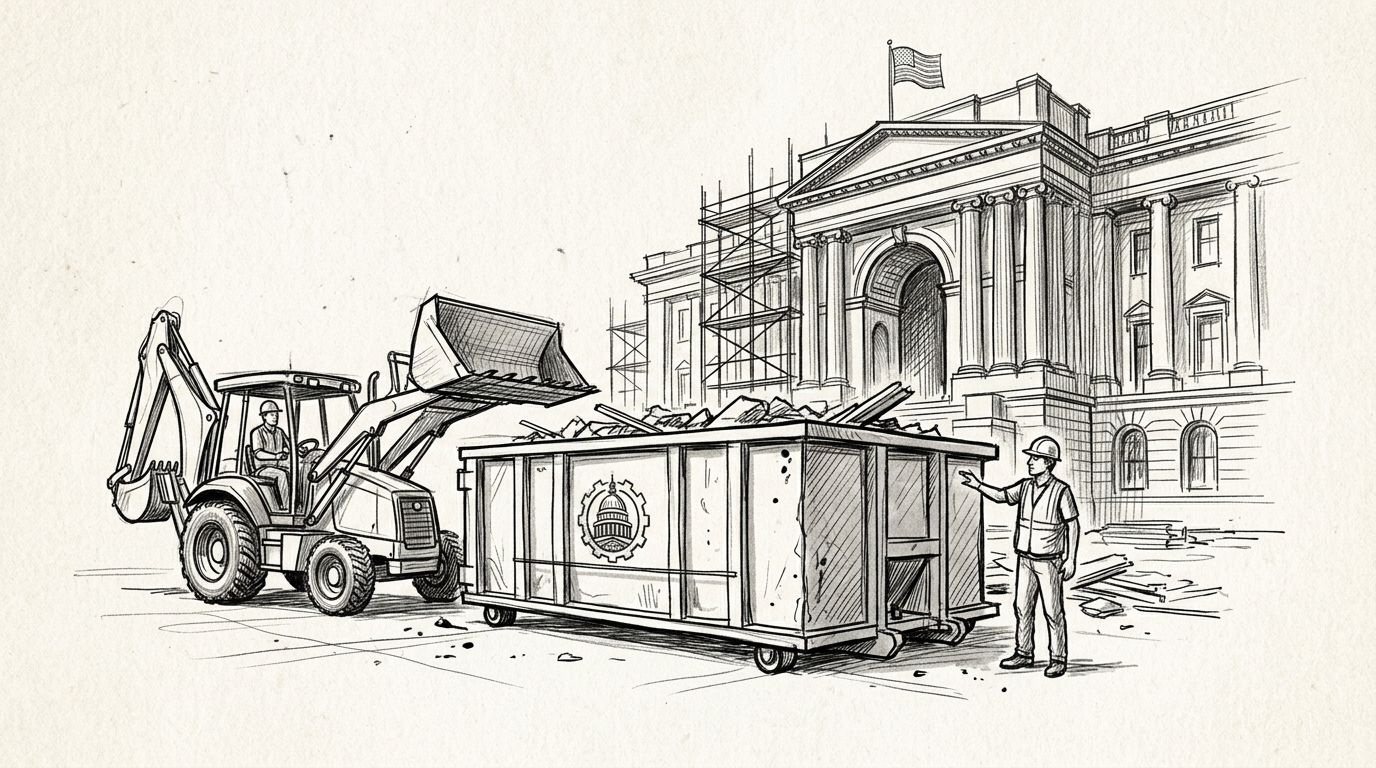
2. 40-yard roll-off container: best for municipal demolition and teardown projects
When the project is tearing down an old civic building, a closed fire station, or an outdated public works facility, the 40-yard container carries the volume that demolition debris actually generates. Concrete and heavy material still need separate handling, but framing, roofing, and mixed structural debris load fast into this size.
40-yard container pros:
- Largest roll-off size available, built for high-volume teardown work
- Fewer swaps means fewer disruptions to a public street or lot during active demolition
- Direct routing to Valley Services' own San Jose transfer station keeps disposal on schedule
40-yard container cons:
- Needs a longer, flatter load-in area than smaller sizes
- Overloading past the fill line creates the same overage risk as any other size
Verdict: Buy for any municipal demolition scope. Confirm placement clearance before delivery day.
3. Portable restroom rental: best for parks and recreation department projects
Public works and parks and recreation crews often work scattered sites: a trail repair here, a park building retrofit there. A standard portable restroom rental covers that kind of dispersed field work without the setup a trailer requires.
Portable restroom pros:
- Placed quickly at remote or temporary work locations
- No utility hookup required
- Straightforward to service on a recurring schedule for a multi-site crew
Portable restroom cons:
- Not the right fit for a site with regular public foot traffic
- Limited ADA accessibility compared to a trailer unit
Verdict: Buy for internal crew use on scattered municipal field sites.
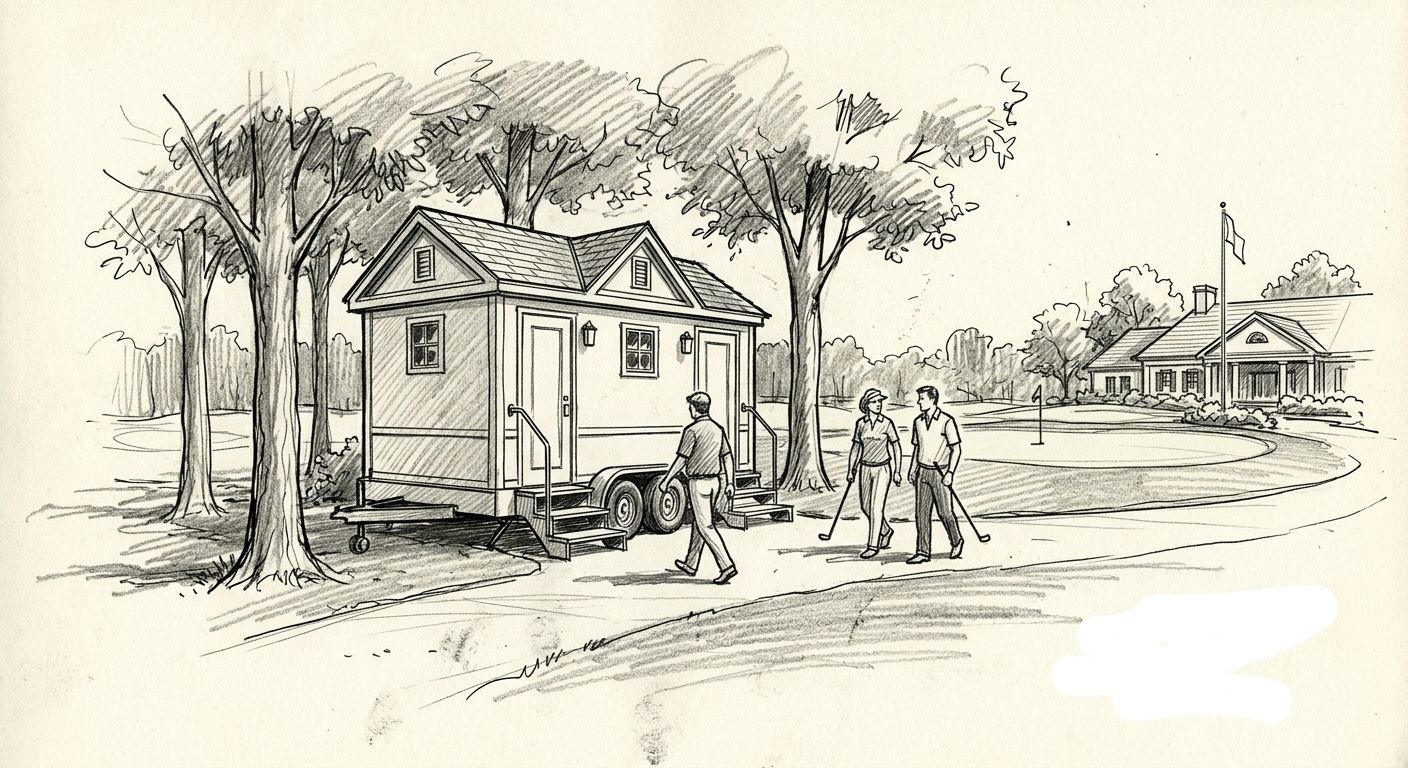
4. Restroom trailer rental: best for public-facing municipal construction sites
A project happening next to an occupied city building, a courthouse, or a public-facing civic center needs a restroom option that holds up to inspection and accommodates the public, not just the crew. A restroom trailer covers that, with ADA-accessible units for sites where compliance is not optional.
Restroom trailer pros:
- ADA-accessible configuration suited to public-facing sites
- Better fit for longer municipal projects with sustained foot traffic nearby
- Presents better next to an occupied government building than a standard unit
Restroom trailer cons:
- Needs a level pad and access for setup
- Overkill for a short, low-traffic internal renovation
Verdict: Hold this option for sites where public access or ADA compliance is a real factor, not every job needs it.
5. Temporary fencing and K-rail: best for road, highway, and disaster recovery projects
Road and highway work, along with storm and disaster recovery response, needs site control that a container or restroom alone does not provide. Temporary chain-link fencing secures equipment and materials; K-rail adds a physical traffic barrier where vehicles and pedestrians share the corridor. Public agencies handling temporary fencing for storm and disaster recovery sites often need both fencing and container service on the same call.
Fencing and K-rail pros:
- K-rail adds traffic separation that chain-link alone can't provide
- Configurable to a road corridor, a lot perimeter, or a disaster response staging area
- Pairs directly with any roll-off container size on the same delivery
Fencing and K-rail cons:
- Adds a separate delivery and teardown to the project schedule
- Requires planning around lane closures or traffic control permits on road work
Verdict: Buy whenever a project touches a public right-of-way, an active roadway, or an emergency response site.
6. Transfer station direct account: best for public works self-haul crews
Some public works departments run their own trucks and drivers. For those agencies, renting a roll-off container at all is unnecessary. A direct drop-off account at a C&D transfer station lets a self-haul crew bring debris straight to the yard instead of scheduling a rental container for material they can already move themselves.
Transfer station account pros:
- No container rental step for agencies with their own hauling fleet
- Straightforward drop-off process at a facility built for construction and demolition material
- Works well for a department managing several small sites at once
Transfer station account cons:
- Only useful if the agency already has licensed trucks and drivers
- Requires the crew to handle loading and hauling themselves
Verdict: Skip unless the department already runs its own hauling fleet. Otherwise, a rented container is the simpler path.
How we ranked these options
Each option was weighed against the criteria above: single-vendor coordination, control of the disposal endpoint, sizing flexibility across project phases, scheduling reliability, San Jose permit familiarity, and operating history. The 30-yard and 40-yard containers rank first because they cover the two most common municipal project phases, renovation and demolition. Restroom and fencing options rank by the specific site conditions they solve rather than by volume, since a parks crew and a courthouse renovation have nothing in common operationally.
Which option should a government agency choose?
For most city or county building renovations in 2026, start with a 30-yard roll-off container. If the scope shifts to full demolition, step up to the 40-yard size before debris starts stacking outside the container. Add a restroom trailer only when the site sits next to an occupied public building or draws foot traffic that requires ADA access. Layer in temporary fencing and K-rail the moment a road, highway, or disaster recovery element enters the project. Departments with their own hauling fleet can skip the container entirely and run material straight to a transfer station account.
“One call covers containers, restrooms, and fencing for the same jobsite instead of coordinating three separate vendors.”
Scope your municipal project
Call the yard to work out container size, restroom setup, and fencing for your site.
FAQ
What size roll-off container works best for a city or county building renovation?
A 30-yard roll-off container handles most municipal renovation scopes in 2026, covering drywall, flooring, and fixture debris without oversizing the footprint. Step up to a 40-yard container once the scope includes structural demolition.
Do municipal job sites in San Jose need a permit to place a roll-off container in the public right-of-way?
Placement in a public street or right-of-way in San Jose typically requires a permit, while placement entirely on a private lot usually does not. Confirm placement location before scheduling delivery to avoid a delay.
Is a restroom trailer required for a public-facing government construction site?
A restroom trailer is not legally required everywhere, but it's the better fit when a site sits near an occupied public building or draws regular foot traffic. ADA-accessible trailer units cover compliance needs that a standard portable restroom does not.
Can one vendor handle containers, restrooms, and fencing for a municipal project?
Yes. Valley Services runs all three service lines out of one San Jose yard, which means one call covers roll-off containers, restrooms, and temporary fencing for the same jobsite. That cuts the number of separate delivery windows a project has to track.
What roll-off container size handles a full municipal building demolition?
A 40-yard roll-off container is the largest size available and the right fit for full structural demolition on a closed civic building or public facility. Heavy material like concrete still needs separate handling regardless of container size.
How does K-rail differ from temporary chain-link fencing on a government job site?
K-rail is a physical traffic barrier used to separate vehicles and pedestrians from an active work zone, while chain-link fencing secures equipment, materials, and site perimeter. Road and highway projects often need both at the same time.
Can a public works department set up a direct account at a transfer station instead of renting a container?
Yes, agencies that already run their own trucks and licensed drivers can drop debris directly at a construction and demolition transfer station instead of renting a roll-off container. This only makes sense for departments with an existing hauling fleet.
How far in advance should a government agency schedule dumpster delivery for a building project?
Booking a week or more ahead of the start date gives enough room to confirm permit status, placement location, and container size against the project schedule. Same-week scheduling is possible but leaves less margin if a permit issue comes up.
One last thing
Valley Services has run site service logistics at Super Bowl LX and the San Jose Marathon, two events where a missed delivery window isn't a minor inconvenience, it's a public failure on a hard deadline. A city hall renovation or a road project runs on the same kind of fixed timeline, just spread over months instead of a single weekend. The scheduling discipline that holds up at a stadium-scale event is the same discipline that keeps a municipal project on its inspection calendar in 2026.
Call (408) 297-5404 or reach out through valleyservices.biz to scope container size, restroom setup, and fencing for your project. Valley Services has run the same San Jose yard since 1986, now in its third generation.