A small business cleanout does not generate demolition-scale debris, but it rarely fits in a single trash pickup either. Office furniture, retail fixtures, kitchen equipment, and drywall scraps pile up fast when a lease turns over or a storefront closes. This guide ranks roll-off container sizes and add-on services by what actually clears a retail space, restaurant, warehouse bay, or office suite on schedule in 2026.
- The 20-yard roll-off container is the best dumpster rental for small business cleanout jobs in retail and restaurant spaces. Buy.
- Warehouse and light industrial cleanouts need 30 yards or more, or the container fills before the job does.
- Valley Services runs its own San Jose transfer station, so container swaps happen on your schedule, not a broker's.
- Skip the 10-yard container unless your cleanout is a single office suite or small storefront under 1,500 square feet.
Why this matters for a small business cleanout
A business cleanout sits in a different category than a home renovation or a full demolition. The debris volume is lower, but the schedule pressure is higher: a retail lease turnover, a restaurant closing week, or a warehouse consolidation usually runs against a hard date set by a landlord or a new tenant. Get the roll-off container rental sized wrong and you either pay for empty capacity or run a second haul mid-job.
Access is the other variable that home-cleanout guides skip. Downtown San Jose retail strips, Santa Clara office parks, and Sunnyvale strip malls all have different curb rules and parking-stall constraints. A container that works for a suburban garage cleanout can block a loading dock or eat the only customer parking a neighboring tenant has left in 2026.
How the picks below were ranked
Each size and add-on below is ranked against three factors that matter for a business cleanout specifically: how much square footage the debris volume actually represents, how tight the load-in and load-out access typically is on a commercial lot, and how fast the business needs the space back in operation. The ranking draws on the same sizing logic Valley Services applies across restaurant renovations, warehouse cleanouts, and full commercial demolition jobs run from its San Jose yard since 1986.
The ranked list
1. 10-yard roll-off container: the tight-lot pick
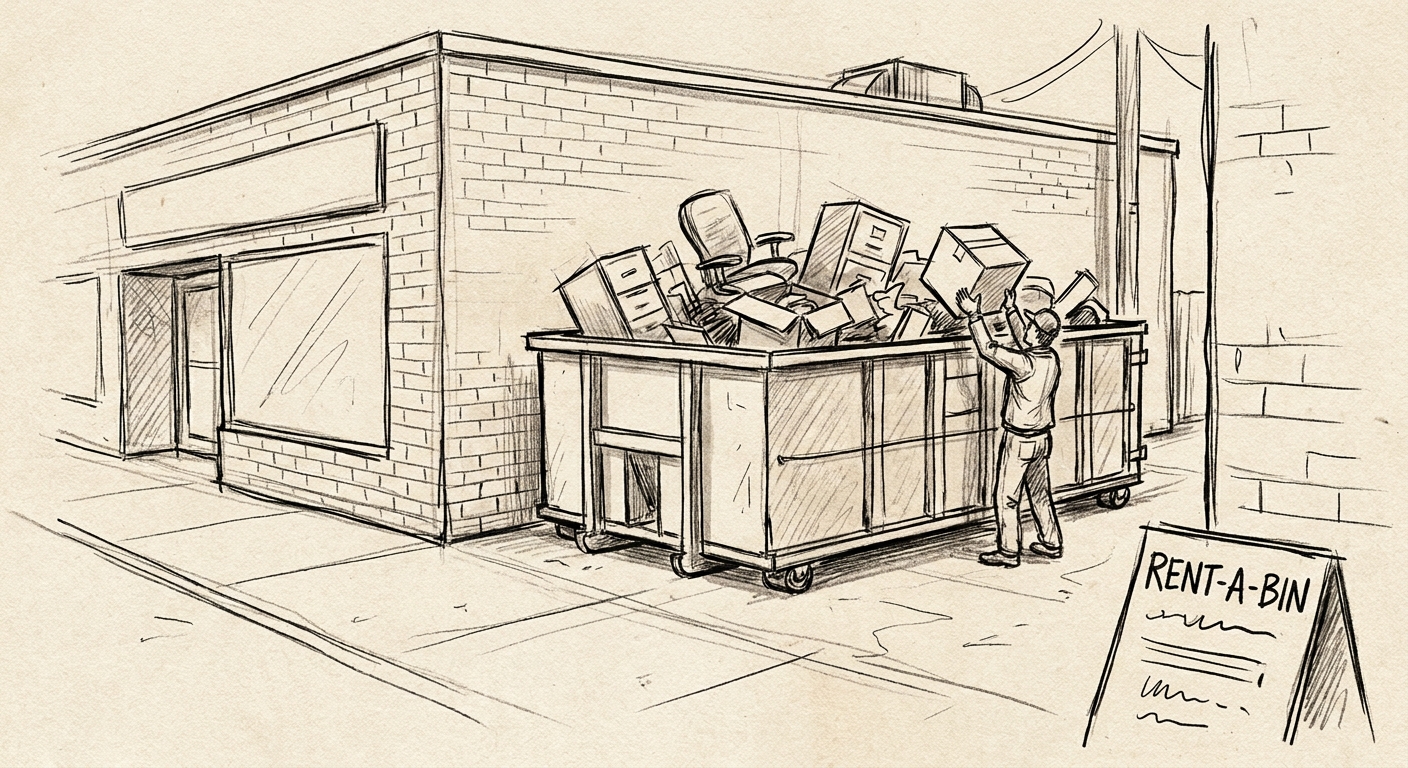
A 10-yard blue steel container fits in a single parking stall, which matters on retail strips where curb space is scarce. It holds enough debris for one office suite, a small salon, or a compact storefront cleanout with light fixtures, shelving, and flooring scraps. Order this size for jobs under roughly 1,500 square feet. Above that footprint, crews run out of room before the space is cleared. Verdict: Buy, if your cleanout fits one retail bay or a single-office suite.
2. 20-yard roll-off container: the restaurant and retail renovation pick
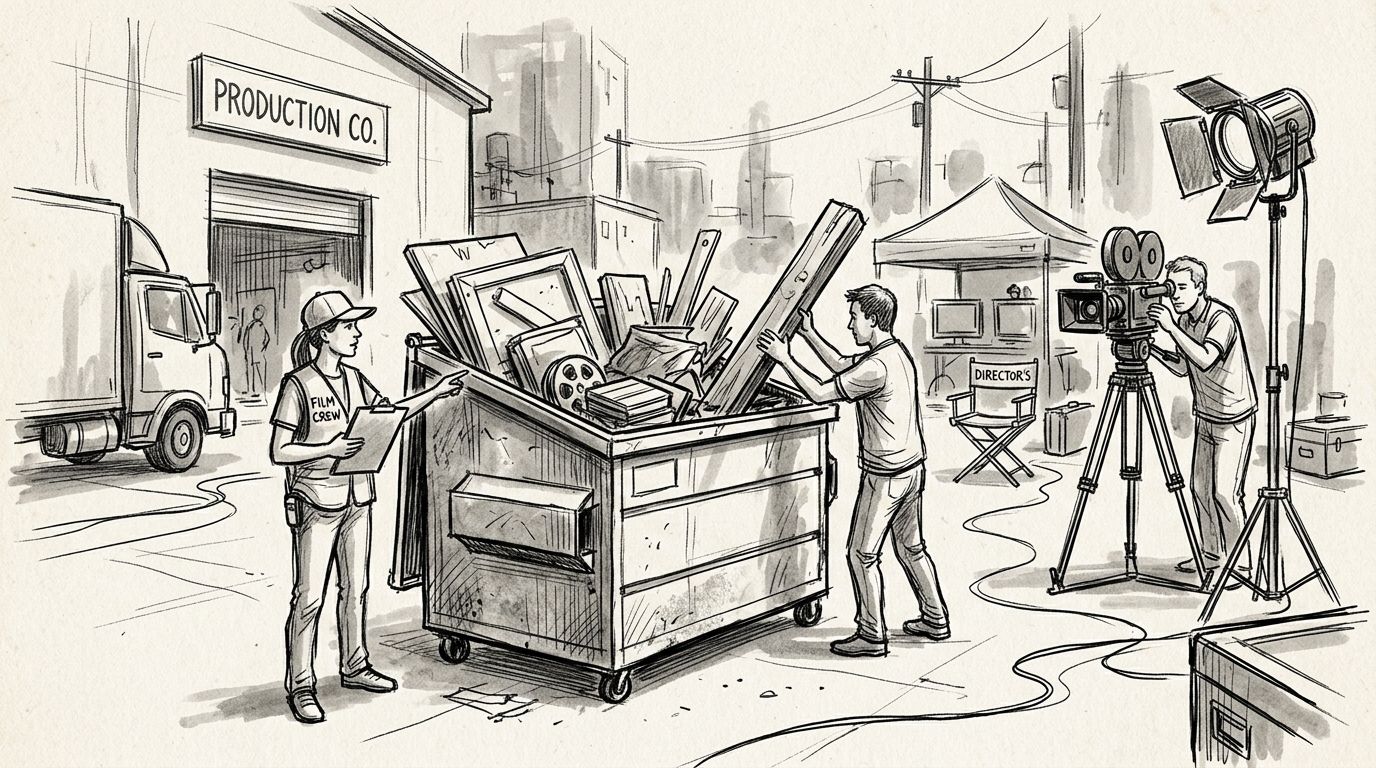
The 20-yard container is the size loaded out most often for restaurant renovation cleanouts across San Jose and Santa Clara. It handles kitchen equipment pulls, booth seating, drywall, and flooring in one load, without a mid-job swap that stalls a crew. A restaurant gutting a 2,000 square foot space in 2026 typically fills one 20-yard container to capacity, not two half-empty ones. Verdict: Buy for any retail or food-service cleanout in the 1,500 to 3,000 square foot range.
3. 30-yard roll-off container: the warehouse and light industrial pick
Warehouse and light industrial cleanouts move a different debris profile: pallets, shelving units, packaging, and equipment crating instead of drywall. The container rental for warehouse cleanouts guide breaks down load sequencing for multi-bay sites. A single 30-yard container handles most warehouse cleanouts between 3,000 and 8,000 square feet without a second pull. Verdict: Buy for warehouse bays over 5,000 square feet; Hold for smaller spaces and step down to a 20-yard instead.
4. 40-yard roll-off container: the full commercial gut pick
A 40-yard container is built for structural demolition, not contents removal. If the cleanout includes interior wall demo, ceiling grid removal, or slab work alongside the fixtures pull, the volume can justify it. The 40-yard dumpster rental for commercial demolition guide covers when the scope crosses that line. Verdict: Consider it only when demolition is part of the job; Skip it for a contents-only cleanout, where it sits half-full and takes up more of a tight lot than the job needs.
5. Portable restroom add-on: the pick when the crew loses building access
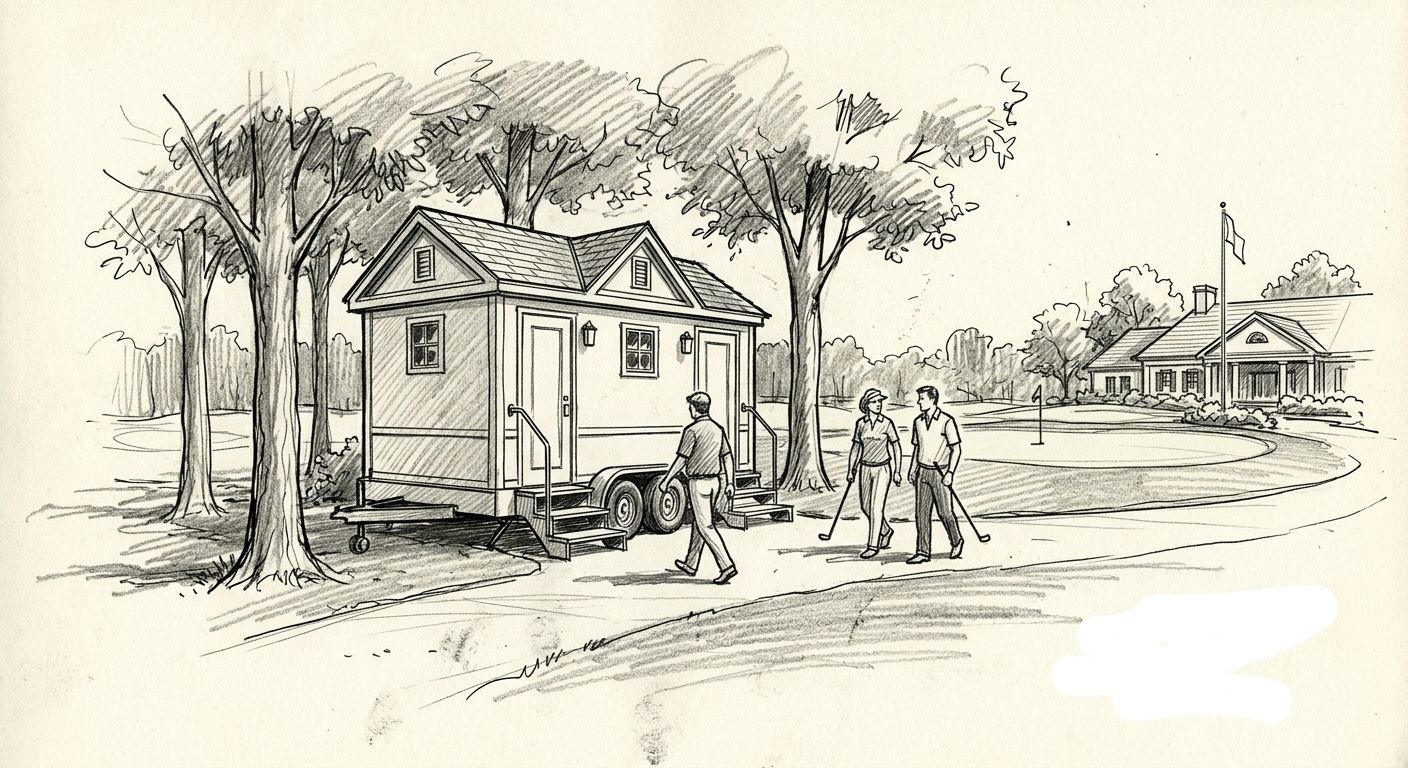
Once a landlord shuts off utilities ahead of a permit pull, the crew loses the building restroom along with the lights. A cleanout crew working a full day without facility access needs its own unit on site, especially on multi-day jobs. Verdict: Consider for any cleanout running more than a single day once utilities go dark.
6. Temporary fencing add-on: the pick for a vacant storefront mid-cleanout
A storefront sitting half-cleared overnight with fixtures and equipment still inside is a target. Fencing around the load-out zone controls who can walk onto the site after hours and keeps the container itself from becoming an attractive nuisance. Verdict: Consider for cleanouts running longer than a week with value left on site overnight; Skip it for a one or two day turnover where the space is empty by closing time.
“If the container fills before the walls are bare, you rented the wrong size, not the wrong crew.”
Comparison table
| Pick | Best for | Typical job size | Verdict |
|---|---|---|---|
| 10-yard container | Single office or retail suite | Under 1,500 sq ft | Buy |
| 20-yard container | Restaurant or retail renovation | 1,500-3,000 sq ft | Buy |
| 30-yard container | Warehouse or light industrial | 3,000-8,000 sq ft | Buy |
| 40-yard container | Full commercial gut or demo | 8,000+ sq ft or structural demo | Consider |
| Restroom add-on | Multi-day crew without building access | Any size, utilities off | Consider |
| Fencing add-on | Vacant storefront mid-cleanout | Jobs over a week | Consider |
Where to book it
- Confirm the provider owns its own disposal endpoint. A brokered haul adds a middleman and a second schedule to coordinate around, which matters when a lease turnover date is fixed.
- Ask if containers, restrooms, and fencing can be booked as one call for one jobsite. Multiple vendors mean multiple trucks crossing the same tight lot on the same morning.
- Book the swap or pickup ahead of lease turnover deadlines. San Jose access windows for downtown lots tighten during Q4 lease cycles, and a late booking can push a reopening date.
Need containers, restrooms, or fencing fast?
One call covers your San Jose cleanout site, no separate vendors to coordinate.
FAQ
What size dumpster is best for a small business cleanout in 2026?
A 20-yard roll-off container is the best dumpster rental for small business cleanout jobs in retail and restaurant spaces between 1,500 and 3,000 square feet. Office suites under 1,500 square feet fit a 10-yard container instead.
Is a 10-yard or 20-yard container better for an office cleanout?
A 10-yard container works for a single office suite under roughly 1,500 square feet. Anything larger, or a suite with heavy furniture and partition walls, fills a 10-yard fast and calls for a 20-yard instead.
Do I need a permit for a dumpster on a business property in San Jose?
Placement on private lot space typically does not require a city permit, but placement on a public street usually does. Check with the property owner or the city before the container arrives.
What can't go in a roll-off container during a business cleanout?
Standard mixed-debris loads exclude hazardous material, tires, and appliances holding refrigerant. Confirm accepted materials with your provider before loading fixtures or equipment.
How much debris does a restaurant renovation typically generate?
A restaurant gutting roughly 2,000 square feet in 2026 typically fills one 20-yard container between kitchen equipment, booth seating, drywall, and flooring. Larger footprints or full kitchen strip-outs push toward 30 yards.
Can I get a restroom and a dumpster from the same company?
Yes. Valley Services books roll-off containers, portable restrooms, and temporary fencing for the same jobsite in one call, which keeps a multi-day cleanout on one schedule.
What's the difference between a 30-yard and 40-yard container for a warehouse cleanout?
A 30-yard container handles most warehouse cleanouts between 3,000 and 8,000 square feet. A 40-yard container is sized for jobs that include structural demolition, not just contents removal.
How fast can a container get delivered for a lease turnover deadline?
Lead time depends on the current schedule, so book as early as the turnover date is known. Downtown San Jose access windows tighten during Q4 lease cycles, which is when delivery slots fill first.
One last thing
The same San Jose yard that staged container, restroom, and fencing logistics for Super Bowl LX and the San Jose Marathon also runs the Tuesday-afternoon office cleanout on a single retail strip. Scale doesn't change the sizing math: match the container to the square footage, not the reputation of the job.
Reach out to Valley Services at (408) 297-5404 or through valleyservices.biz to talk through the right container size, restroom count, and fencing footprint for your cleanout before you book.