Dumpster rental for film and TV production companies means matching container size and pickup schedule to a build-shoot-strike calendar, not a standard renovation timeline, so debris never blocks a call sheet.
- Dumpster rental for film production companies needs sizing built around strike day volume, not average shoot-day trash.
- Valley Services runs its own San Jose transfer station, so container swaps stay on the production schedule.
- A 20-yard container fits a single-set build; 30-yard and 40-yard units handle full backlot or soundstage strikes.
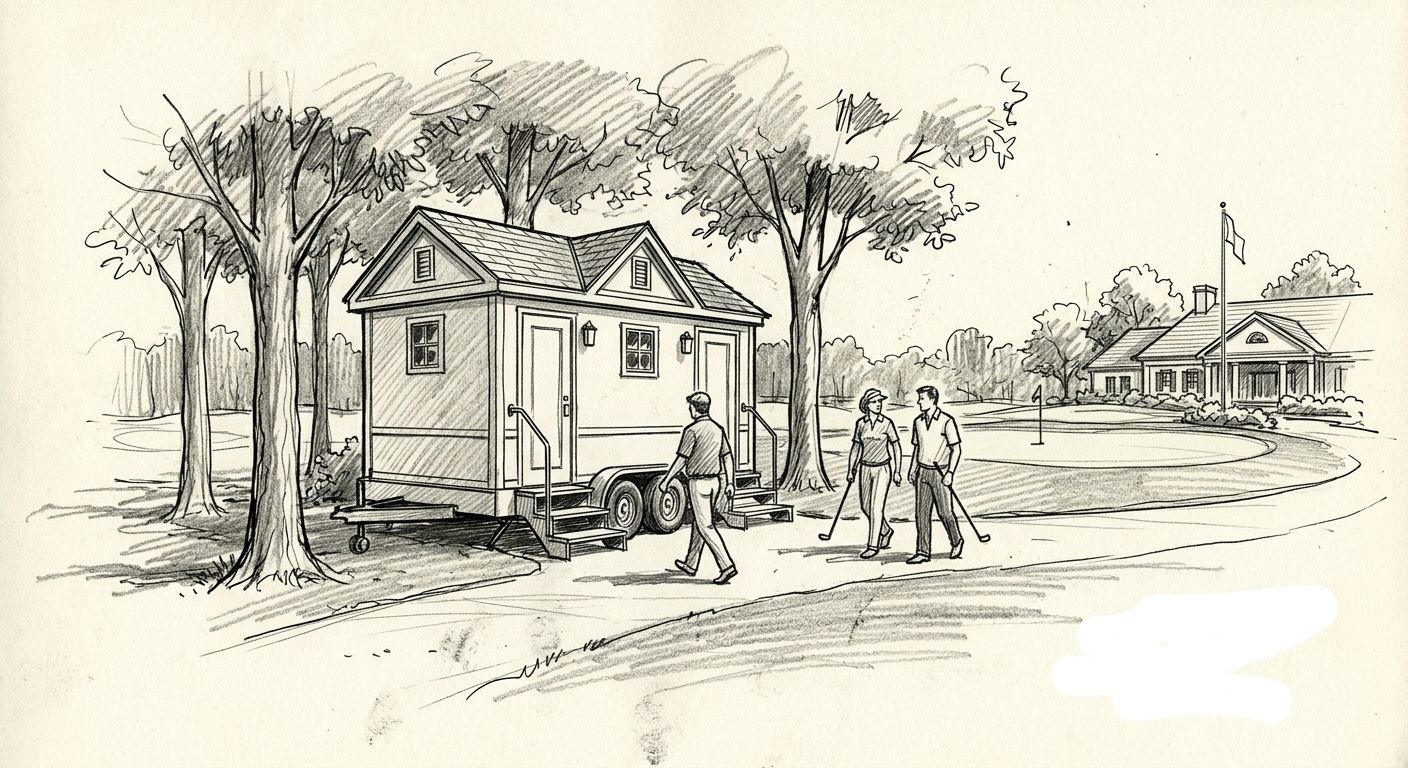
- Restroom trailers and portable restrooms for cast, crew, and background talent need a separate headcount from container planning.
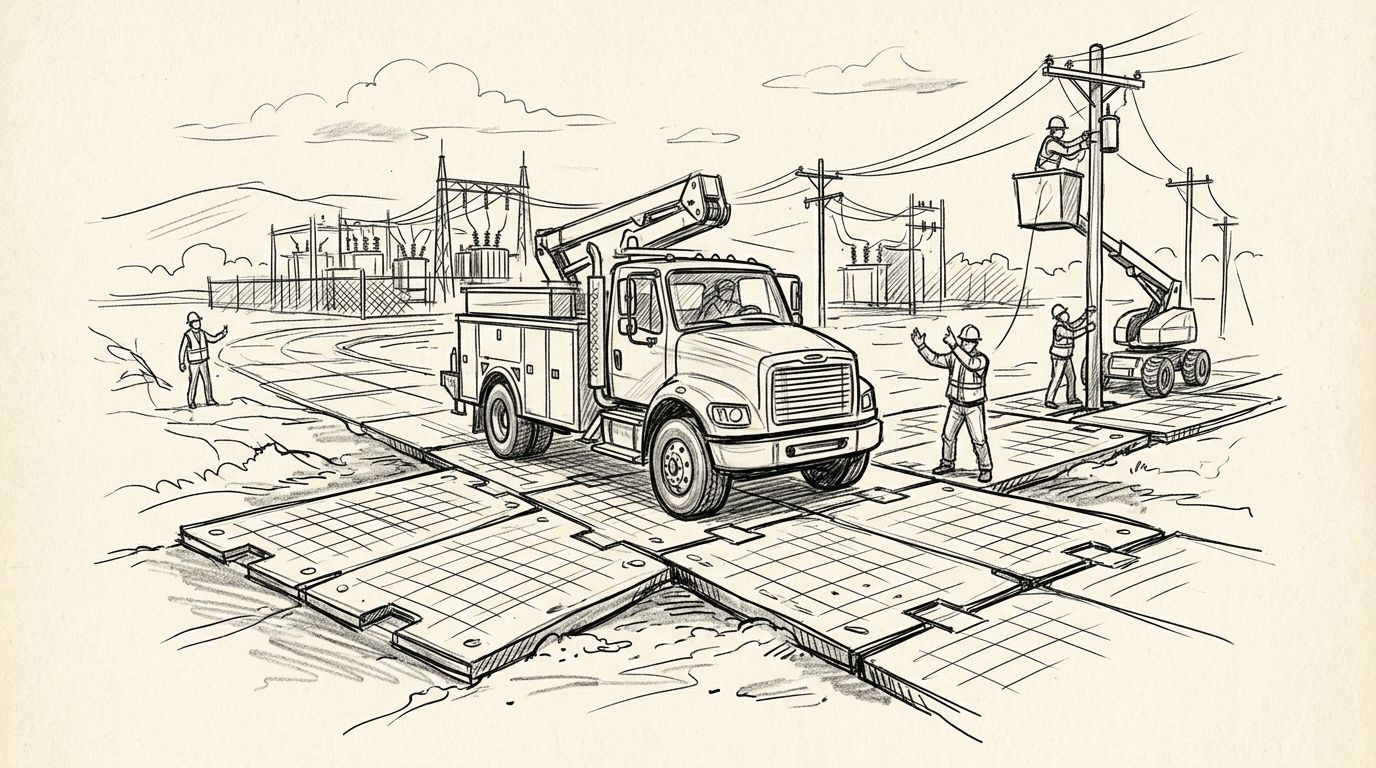
- Temporary fencing and K-rail secure an active set before container placement even matters.
Why dumpster rental matters for film and TV production sets
A production site is not a renovation site. Debris volume is flat during prep, spikes hard on strike day, and the lot has to be returned to the property owner or city clean and on time. A container that gets rented and forgotten for two weeks works fine on a kitchen remodel. It does not work on a set where wrap is a contractual deadline tied to a location agreement or a permit expiration.
Most waste haulers broker disposal to a third-party landfill or transfer site. Valley Services owns and operates its own C&D transfer station in San Jose, which means the schedule for pulling and swapping containers is not dependent on someone else's dump hours or another hauler's truck availability. For a production on a hard wrap date, that difference shows up directly in whether the lot gets returned on schedule.
Valley Services has handled site services for large-scale, time-boxed events including Super Bowl LX and the San Jose Marathon. The same scheduling discipline that keeps a stadium footprint or a race route clear applies to a production lot: fixed dates, fixed access windows, no slack for a missed pickup.
Steps for planning dumpster rental on a production site
Size the container to the strike, not the shoot day
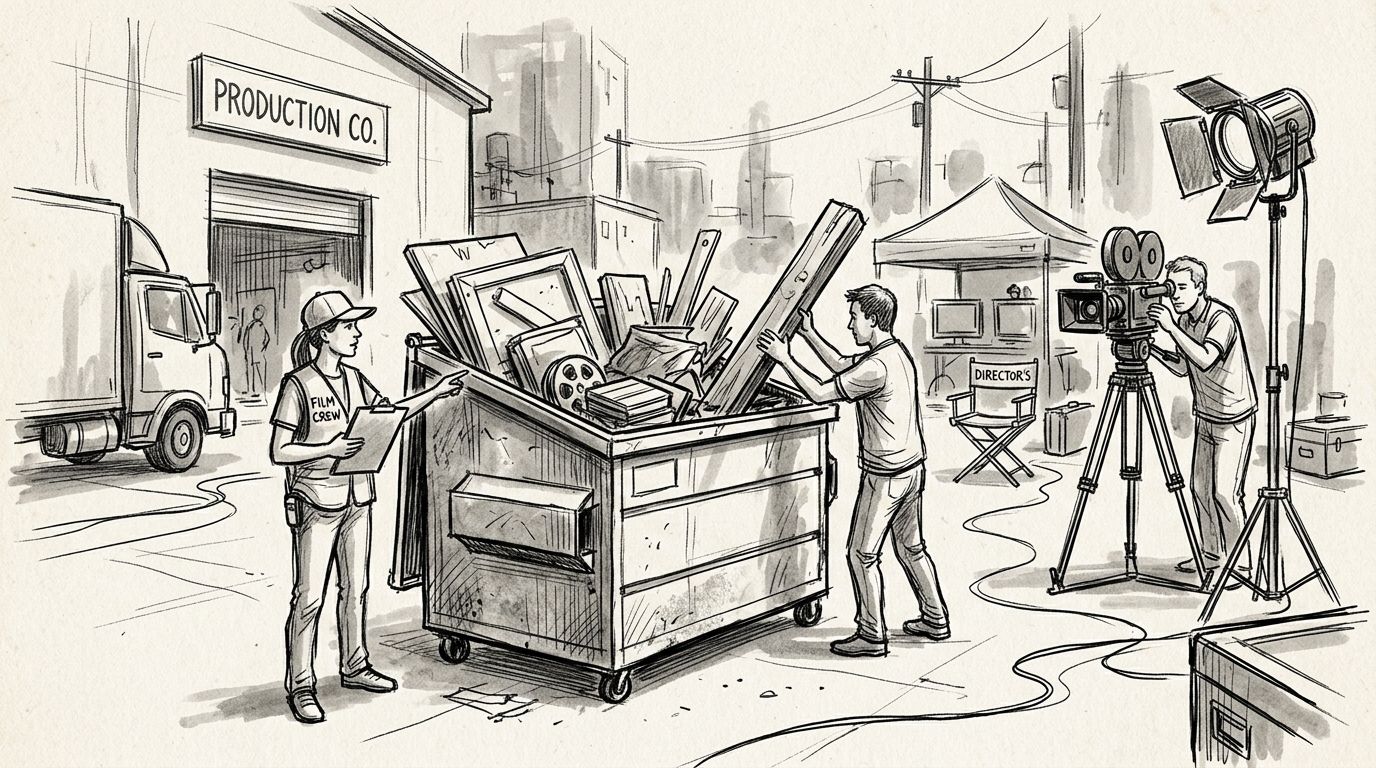
Most shoot days generate light trash: craft services waste, paper, packaging from set dressing deliveries. Strike day is different. Flats, lumber, drywall scraps, foam core, and set dressing that doesn't get struck to storage all leave the lot at once.
- Book a 20-yard container for a single-location build with a modest set (one interior, limited construction).
- Step up to 30-yard for a multi-set build or a backlot construction with framing and drywall.
- Reserve 40-yard for full studio strikes or when set construction and demolition happen in the same week.
- Order the container to arrive before strike week, not the morning of, so crew isn't waiting on delivery while the clock runs.
- Confirm placement footprint against the lot's actual access, not the blueprint. Studio backlots and street locations rarely have identical clearance.
Schedule around call sheets and strike windows
A production calendar moves. Weather holds, actor availability, and permit windows shift call times daily, and waste service has to move with it, not against it.
- Set delivery for the day before principal construction starts, so the container is staged and out of the way during blocking and rehearsal.
- Confirm pickup timing against the actual wrap date on the call sheet, not the original schedule from three weeks earlier.
- Build in a buffer day between strike and location return in case the shoot runs long.
- Keep one point of contact on the production side who confirms pickup, not multiple department heads giving conflicting instructions.
- Ask about scheduling a dumpster delivery and pickup around a locked wrap date before the shoot starts, not after.
Control site access with fencing and K-rail
An open lot with a construction dumpster on it draws public foot traffic, especially on a street location or a public backlot. Production insurance and location agreements usually require the site to be secured during build and strike.
- Fence the perimeter of any active build area before construction crews start framing.
- Use K-rail where the location borders a public street or parking area with vehicle traffic.
- Screen the fence line if the set or set dressing needs to stay out of public view during prep.
- Coordinate fence removal with the same strike schedule as the container pickup so the lot clears in one pass.
- Review options for fence rental built for film and production sets before locking the location agreement's security requirements.
Plan restrooms separately from container planning
Cast, crew, and background talent headcounts swing wildly between a two-person interview setup and a 150-extra crowd scene, and restroom planning has to track headcount, not container size.
- Count cast and core crew separately from background talent when sizing restroom units.
- Use restroom trailers for cast and key crew on longer shoots; standard units cover background and general crew.
- Confirm restroom placement against craft services and holding areas, not just the set itself.
- Check holding tank options for film and TV production sets when a location has no sewer hookup available.
Account for hazardous or specialty set materials
Set construction and set dressing sometimes involve paint, solvents, foam, or adhesives that can't go into a standard roll-off container without creating a disposal problem at the transfer station.
- Flag any paint, solvent, or aerosol waste to the hauler before strike day, not after the container is already loaded.
- Keep foam, insulation, and adhesive scraps separated if the transfer station requires it.
- Confirm what the container can and can't take before the art department starts loading it during strike.
- Ask about separate handling for anything flagged as hazardous under standard construction debris rules.
Lock in disposal before the wrap date
A broker-based hauler has to schedule around a third party's dump hours and truck availability, which is exactly the wrong dependency to build into a hard wrap date. Confirming disposal capacity ahead of time removes that risk.
- Confirm container capacity and pickup timing at least a week before strike, not the day of.
- Ask directly whether the hauler owns its own disposal site or brokers to a third party.
- Build a pickup buffer into the schedule for productions with a hard location return deadline.
- Reconfirm the wrap date with the hauler if the shoot schedule shifts mid-production.
“If the transfer station is a third party's problem, the container schedule is too.”
Comparing container and site service options for productions
| Option | Best for | Key limitation |
|---|---|---|
| 20-yard roll-off container | Single-set builds, light strikes | Fills fast on a multi-set strike day |
| 30-yard roll-off container | Multi-set builds, backlot construction | Needs more placement footprint |
| 40-yard roll-off container | Full studio strikes, combined build/demo weeks | Not practical on tight street locations |
| Restroom trailer | Cast and key crew on longer shoots | Needs a level pad and power hookup |
| Standard portable restrooms | Background talent and general crew | Not suited for extended VIP or cast use |
| Temporary fencing and K-rail | Securing an active set from public access | Adds a separate teardown step at strike |
Verdict: a production booking a single-set build with a hard wrap date should size the container for strike day volume, book fencing before construction starts, and confirm the hauler controls its own disposal endpoint, not a broker's.
Common mistakes production companies make with dumpster rental
- Sizing the container for shoot days instead of strike day. A container that handled two weeks of light trash fine will overflow the moment set construction gets torn down in one afternoon.
- Leaving the lot unfenced during build. Insurance and location agreements often require a secured perimeter, and a public backlot without fencing invites foot traffic near active construction.
- Undercounting restrooms for background talent. A crowd scene with 100-plus extras needs a headcount-based restroom plan, not the same count used for a small interior shoot.
- Missing permit lead time for street placement. Container placement on a public street in San Jose requires permitting, and productions that skip this step risk a delayed delivery right before strike.
- Assuming any hauler can hit a hard wrap date. A broker-based hauler depends on someone else's dump hours. A hauler running its own transfer station controls that variable directly.
Plan your production's site services
Talk through container sizing, fencing, and restrooms before the build starts.
FAQ
What size dumpster does a film production need?
Most single-set builds need a 20-yard container, while multi-set builds and full studio strikes need 30-yard or 40-yard units. Size for strike day volume, not average shoot-day trash.
Do production companies need permits for a dumpster in San Jose?
Yes, placement on a public street in San Jose requires a permit. Confirm placement rules before the delivery date so the container isn't held up right before strike.
How many restrooms does a production need for background talent?
Restroom count should track total headcount on the day, including background talent, not just cast and core crew. A crowd scene with 100-plus extras needs significantly more units than a two-person interior shoot.
Can a production rent a dumpster, restrooms, and fencing from one company?
Yes. Valley Services provides roll-off containers, portable restrooms, restroom trailers, and temporary fencing or K-rail from one yard, which keeps site service coordination to one call for the whole production.
What happens if strike day generates more debris than expected?
A hauler that controls its own disposal endpoint can add or swap a container faster than one brokering to a third-party site. Confirm this capability before the shoot, not during strike week.
Does a production need fencing around a construction-heavy set?
Most location agreements and production insurance require a secured perimeter during active build and strike, especially on a public backlot or street location.
How far in advance should a production book dumpster and restroom service?
Book at least a week before build starts, and reconfirm pickup timing against the actual wrap date once the shoot schedule is locked, since production calendars shift.
What's the difference between a restroom trailer and standard portable restrooms on a set?
A restroom trailer suits cast and key crew on longer shoots and needs a level pad and power hookup. Standard portable restrooms cover background talent and general crew without those site requirements.
One last thing
The detail productions overlook most often isn't container size, it's the gap between the paper wrap date and the actual wrap date. Shoot schedules move. A hauler that owns its own transfer station, like Valley Services in San Jose since 1986, can absorb that shift without the whole strike day sliding with it.
Related guides
- Portable toilet rental for film and production sets
- How to load a dumpster safely and avoid overage fees
- How to permit a dumpster placement in San Jose
Call (408) 297-5404 or reach out through valleyservices.biz to talk through container sizing, restrooms, and fencing for your next production before the build starts.