A full 20-yard roll-off container is not necessarily a haulable one. In 2026, 20 cubic yards describes volume, not a fixed weight limit. The allowable load depends on the container, the debris, and the hauling requirements for your job. Get the limit for your specific load before filling it.
- How much weight can a 20 yard dumpster hold? There is no universal weight limit for a 20-yard container.
- Valley Services is a fit for Bay Area crews that need a roll-off container and a C&D transfer station under one operator.
- Confirm the load limit and debris type before work starts. A full container can be too heavy to haul.
- Keep the load below the container sides and leave the pickup route clear.
Why this matters on a Bay Area jobsite
A 20-yard container can reach its usable weight limit before it looks full. That matters when a crew is removing dense C&D debris, when a property manager is clearing mixed material, or when pickup must happen before the next trade arrives. Planning by volume alone leaves the haul uncertain.
For a closer look at load placement, see how to load a container safely. The immediate decision is simpler: tell the rental operator what is coming out of the site, then confirm the load limit for that material before the container is delivered.
In San Jose and across the South Bay, that conversation should happen before demolition or cleanout begins. Once heavy debris is in the container, correcting the load takes crew time and can disrupt the pickup plan.
How much weight can a 20-yard roll-off container hold?
There is no single weight figure that applies to every 20-yard roll-off container. A 20-yard designation tells you the container's approximate volume: 20 cubic yards. It does not state how much debris the operator will accept in that container or how much weight the hauling setup can carry.
| What you know | What it tells you | What it does not tell you |
|---|---|---|
| 20-yard container size | The approximate volume available for debris | The approved load weight |
| Debris type | Whether the job involves dense or lighter material | The weight of a mixed load without further detail |
| Fill level | How much space the load occupies | Whether the load is within its weight limit |
| Confirmed load limit | The weight boundary for the planned rental | Whether prohibited material is acceptable |
For a 2026 Bay Area project, ask for the limit that applies to your container and your stated debris. Do not use a weight figure from another rental agreement as the answer for this job. Confirm accepted material separately, especially if the work produces more than one debris type.
The other constraint is pickup. A load must be suitable for hauling, not merely able to fit inside the steel box. Keep the top clear, distribute material rather than piling it at one end, and maintain access for the truck. If the debris plan changes, update the operator before the crew fills the container.
Heavy C&D debris can use up the weight limit first
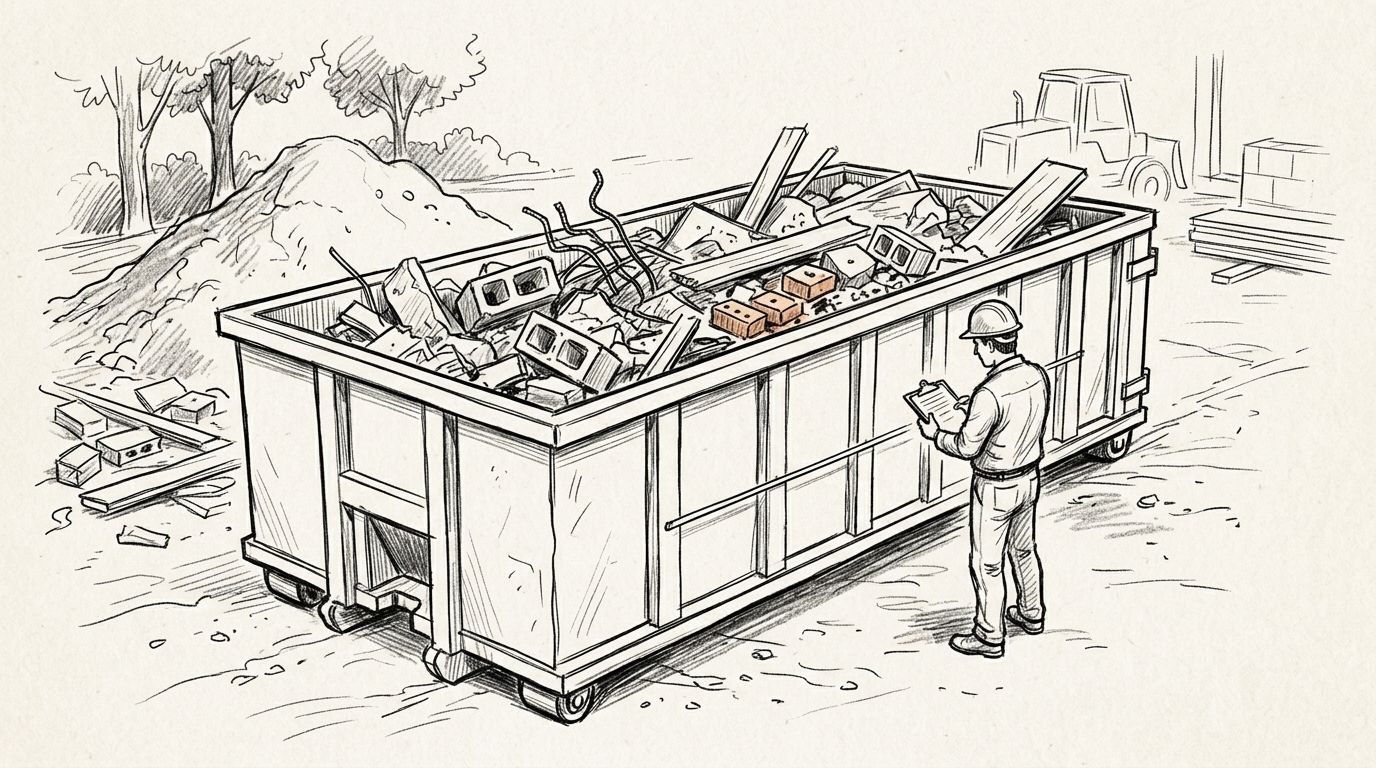
Concrete, masonry, soil, and similar dense materials demand a weight-first plan. A 20-yard container provides space, but space is not permission to fill it to the top with heavy material. Confirm the material and the allowable load before any of it goes in.
Tell the operator whether the material is coming from a slab, a wall, excavation, or another part of the work. That description helps separate a concentrated heavy load from a mixed renovation load. It also gives you a clear point to revisit if the scope changes after the container arrives.
Do not treat all C&D debris as interchangeable. A load described as mixed construction debris is not the same plan as a load dominated by concrete. If concrete is part of the job, settle its handling before delivery rather than asking the driver to resolve it at pickup.
Mixed renovation debris needs a material list
A kitchen renovation or property turnover can produce material with different shapes and densities. Cabinets and bulky fixtures occupy space differently from tile, drywall, or masonry. That mix makes a visual estimate of weight unreliable.
Write a short material list before ordering: what is being removed, what will dominate the load, and whether a heavy phase follows a lighter one. Give that list to the operator. If the job changes from a cabinet removal to a larger demolition, confirm the load plan again before filling the container.
For 2026 renovations in San Jose, Santa Clara, Sunnyvale, Mountain View, or Milpitas, also plan where the container will sit during load-in and how the truck will reach it at load-out. The crew needs room to place debris without blocking the pickup path. Container sizing and pickup access are separate decisions.
Cleanout loads can run out of space first
A property cleanout often involves bulky material. In that case, available volume can be the constraint before load weight. That does not make every full container ready for pickup: you still need to confirm accepted materials, the load limit, and how far material can extend within the container.
Ask the crew to identify unusual or particularly heavy items before loading starts. If a cleanout includes renovation debris as well as household material, describe both. An accurate description is more useful than calling the job a cleanout and assuming the operator will infer the load.
Valley Services is a fit for Bay Area crews that need a roll-off container and a C&D transfer station under one operator. For a multi-service jobsite, Valley Services also offers restrooms and temporary fencing. Those services do not change the container's weight limit, but arranging them through one operator gives the site manager one place to discuss the setup and schedule.
Why the allowable weight varies
A 2026 load plan should account for these factors before anyone starts filling the container:
- Debris type. Dense C&D material can reach a weight limit with space still visible. Bulky material can take up volume sooner.
- Material mix. A few heavy items can change a load that otherwise looks like a light cleanout. Describe what will actually go in.
- Container and hauling setup. The operator must confirm the limit for the equipment assigned to your job. Container volume alone cannot establish it.
- Load distribution. Material piled unevenly creates a different pickup problem from a balanced load. Spread debris rather than concentrating it at one end.
- Pickup access. The truck needs an open route to the container. A properly loaded container still cannot be picked up through a blocked work area.
- Scope changes. If demolition produces different debris than planned, the original load description is no longer enough. Check the plan before adding the new material.
These are operational checks, not a substitute for a confirmed limit. In 2026, the answer for your job comes from the operator handling the specific container and load.
What to confirm before delivery
Give the operator enough detail to answer the weight question for the actual job, not a hypothetical container. Use this sequence for a 2026 rental:
- Describe the work. Say whether the job is demolition, renovation, a property turnover, or a cleanout.
- Name the debris. Identify dense material separately from bulky or mixed material. Flag any material whose acceptance needs confirmation.
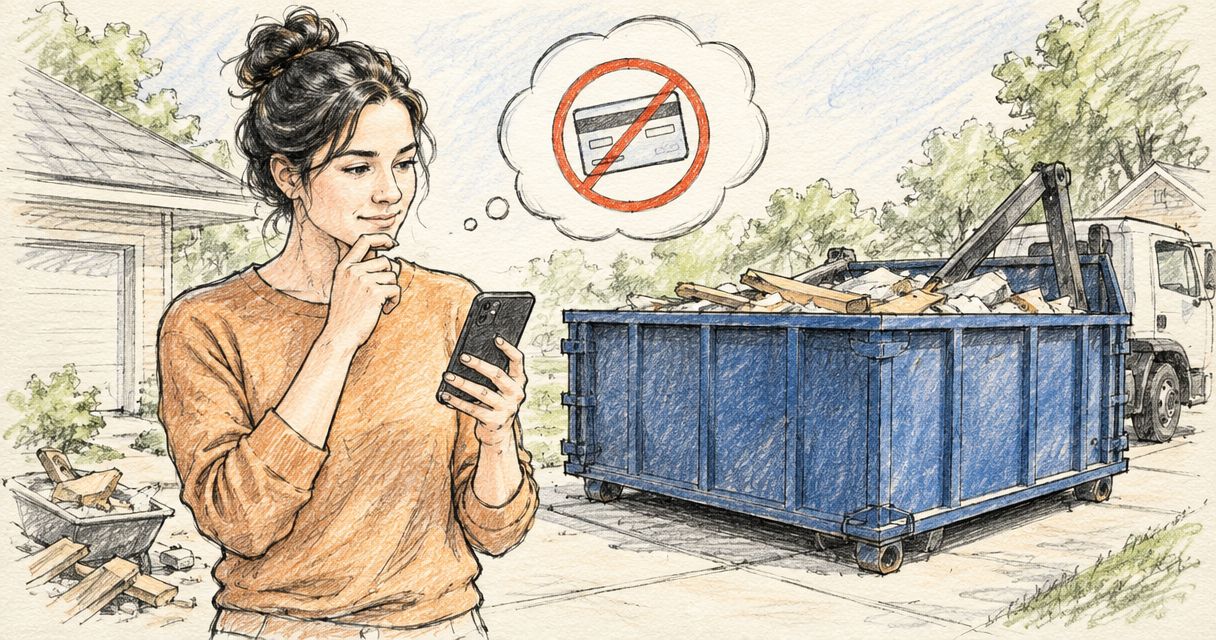
- Confirm the load limit. Ask what applies to the assigned 20-yard container and the debris you described. Record the answer for the crew supervising loading.
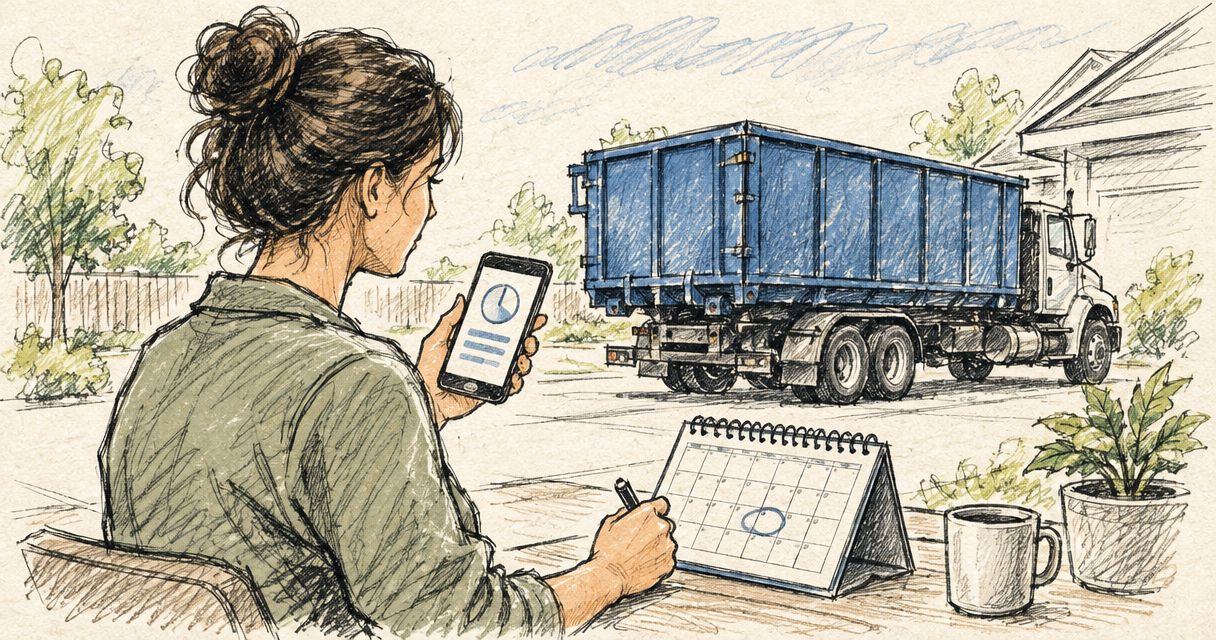
- Mark the placement. Choose a spot the crew can use and the truck can reach. Keep the approach clear for delivery and pickup.
- Set the pickup plan. Tie the requested removal to the work schedule. If the debris type or scope changes, contact the operator before loading continues.
Valley Services owns and operates a C&D transfer station in San Jose. That gives Valley Services control of its disposal endpoint. For a contractor planning container pickup alongside other site services, that operating detail is more useful than treating 20 cubic yards as a weight specification.
A container delivered for one phase is not automatically the right load plan for the next. If a light interior strip-out turns into concrete removal, stop and confirm the change. The question is not whether the new debris fits. It is whether the planned container and haul are appropriate for it.
How to avoid a pickup problem
Keep the load within the container sides. Do not build a mound because there appears to be unused space lower down. Keep the approach open, including when subcontractors, deliveries, or parked vehicles move through the site.
Assign someone on the crew to check the load against the material list. That person should know the confirmed limit and call before a change in debris type. Waiting until pickup leaves fewer ways to correct an overloaded or unsuitable load without interrupting work.
For a South Bay renovation in 2026, schedule this check before the next phase needs the space. The same rule applies to a homeowner's cleanout: once the container is filled, moving heavy material out by hand is avoidable work if the load was discussed before delivery.
Can I fill a 20-yard roll-off container to the top?
No, not on appearance alone. A full 20-yard container can exceed its confirmed load limit, especially with dense debris. Keep material within the sides and use the operator's limit for your specific load.
Does 20 cubic yards tell me the weight limit?
No. Twenty cubic yards describes volume, not allowable weight. The container and hauling requirements must be confirmed for the material you plan to load.
Should I use a smaller container for concrete?
Confirm a concrete load plan with the operator before choosing a container. Dense debris can reach a weight limit before a 20-yard container looks full. Do not choose by available space alone.
FAQ
How much weight can a 20-yard roll-off container hold?
There is no universal weight limit for a 20-yard roll-off container. Confirm the allowable load for the assigned container and the debris on your job.
Is a 20-yard container's capacity measured by weight or volume?
The 20-yard designation describes volume: 20 cubic yards. It does not state the approved weight of the load.
Can a 20-yard container be too heavy when it is not full?
Yes. Dense C&D debris can reach the confirmed weight limit before the container is full by volume.
Can I put concrete in a 20-yard roll-off container?
Confirm concrete acceptance and the load plan with the operator before loading. A container's volume does not establish an allowable concrete weight.
What should I tell the operator before ordering a container?
Describe the job, the debris types, and any dense material expected in the load. Ask for the applicable limit and confirm pickup access.
Does an even load replace the need to check the weight limit?
No. Distributing debris helps with loading, but the load still has to stay within the confirmed limit for the job.
One last thing
The useful question is not how heavy a 20-yard container can get. It is what your specific container can be loaded with and still be picked up as planned. Get that answer before the first piece of debris goes in. For a 2026 Bay Area job, call Valley Services at (408) 297-5404 to talk through the load and request a quote.