Apartment turnover season doesn't wait for you to figure out container sizing. A property manager clearing eight units before a September lease cycle needs a different setup than a maintenance team gutting one unit's flooring and cabinets. Get the size wrong and you're either paying for empty space or calling for a second haul mid-turn.
- 20-yard containers handle most multi-unit turns at Bay Area apartment complexes: buy for batches of 3-5 units.
- Single-unit turns run fine on a 10-yard container over a 3-5 day window in 2026 lease cycles.
- Full complex renovations need 40-yard rotation plus temporary fencing for vacant-unit security: buy the pair, not one or the other.
- Valley Services runs its own San Jose transfer station, so container swaps aren't stuck waiting on a third-party landfill slot.
Why this matters
Apartment complex cleanouts are a scheduling problem before they're a size problem. A 200-unit property running rolling turns needs containers that show up on time and get swapped without a multi-day gap. Miss that window and units sit unrentable.
Most roll-off companies broker their disposal to a third-party landfill or transfer site. Valley Services owns and operates its own C&D transfer station in San Jose, which means container swaps aren't waiting on someone else's intake schedule. That matters more on a 50-unit renovation than it does on a single kitchen remodel.
The right call also depends on what's coming out of the units. Flooring and cabinetry debris weighs differently than furniture and mattresses, and container weight limits get hit faster than the volume limit on heavy tear-out jobs.
How we ranked these options
Each scenario below is ranked by debris volume per turn, typical rental duration, and site access at a Bay Area apartment property: parking lot space, HOA or management approval, and San Jose placement rules where they apply. The container sizes referenced (8 to 40 yard) reflect the standard blue steel range used across construction and cleanout jobs in 2026, not a brand-specific claim.
The ranked list
1. Single-unit turn cleanout: 10-yard container
The quick turn. A single vacated unit's flooring, cabinets, and old appliances fill roughly four pickup truck loads, which is exactly what a 10-yard container is built for. Most single-unit turns run 3 to 5 days between move-out and move-in in 2026 lease cycles, and a 10-yard footprint fits in one standard parking stall without blocking a fire lane.
The debris volume here rarely justifies anything bigger, and a larger container just eats parking spots your other tenants need. Verdict: Buy.
2. Multi-unit turn cleanout: 20-yard container
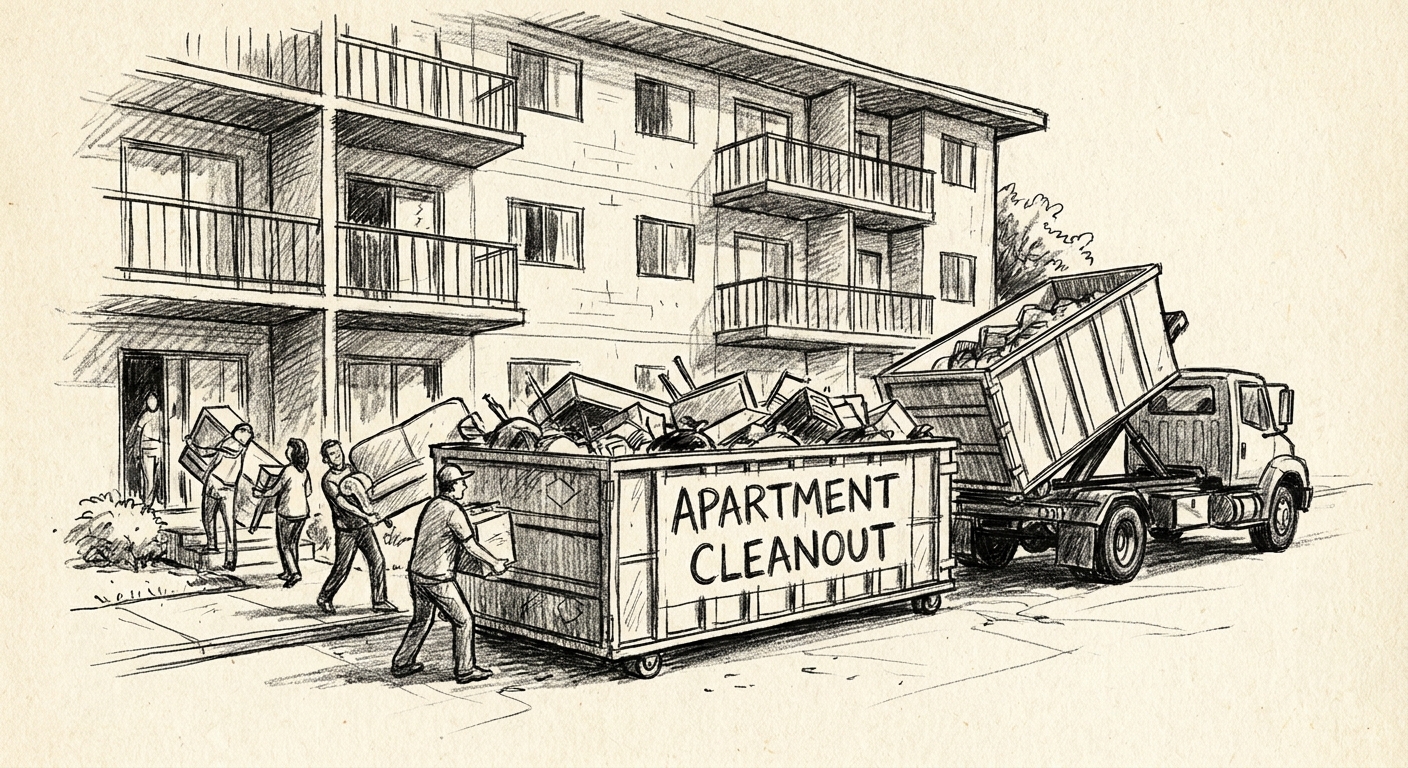
The batch turn. Property managers stacking 3 to 5 units on the same turnover schedule need more volume than a single 10-yard can hold without a mid-week swap. A 20-yard container handles combined debris from that batch and still fits most complex parking lots without a special placement plan.
This size is the workhorse for Bay Area apartment turnovers because it matches how most management companies actually schedule work: several units at once, not one at a time. Debris volume on estate cleanouts and comparable full-unit clearouts runs similar to a batch turn, and the sizing logic in Valley's estate cleanout debris volume breakdown applies directly. Verdict: Buy.
3. Common area and clubhouse cleanout: 30-yard container
The space clearer. Clearing a clubhouse, leasing office, or storage room ahead of a renovation generates bulky, low-density debris: old furniture, carpet, drywall sections. Volume fills up before weight does, which is exactly the case a 30-yard container is sized for.
This scenario runs closer to a warehouse or storage cleanout than a residential turn, and the large-space cleanout capacity guidance for bulky, low-weight debris maps onto clubhouse and amenity space clearouts almost exactly. Verdict: Buy.
4. Full complex renovation: 40-yard rotation
The full gut. A 40-yard container holds roughly 20 pickup truck loads and is the right call when a property is running interior renovation across 50 or more units over several weeks rather than a single turn. This job needs container rotation, not a single static box, because the debris volume compounds week over week.
On a job this size, the transfer station relationship matters more than the container itself. A rotation schedule only works if swaps happen on time, and that depends on who controls the disposal endpoint. Verdict: Buy, with a rotation schedule set before demo starts.
5. Vacant unit security during renovation: temporary fencing
The vacant unit problem. A complex mid-renovation has open units, staged materials, and foot traffic that shouldn't be there. Temporary fencing around the work zone isn't a container decision, but it's the piece property managers forget until a liability issue forces the conversation.
This isn't optional on a multi-week renovation with public-facing units nearby. Verdict: Buy alongside your container rotation, not after.
6. Standing container service for ongoing turnover: rotating 20-yard contract
The standing order. Properties running turns year-round, not just in a seasonal spike, do better with a recurring swap schedule than a one-off rental every time a unit turns. This keeps a container on site at a predictable interval instead of a new booking call every time maintenance clears a unit.
This only makes sense above a certain turnover volume. A 40-unit property with steady 2-3 turns a month benefits; a 12-unit building usually doesn't. Verdict: Consider if your turnover volume is steady month to month.
Comparison table
| Scenario | Container size | Typical duration | Best for | Verdict |
|---|---|---|---|---|
| Single-unit turn | 10-yard | 3-5 days | One vacated unit | Buy |
| Multi-unit turn | 20-yard | 5-10 days | 3-5 units on one schedule | Buy |
| Common area cleanout | 30-yard | 1-2 weeks | Clubhouse, leasing office, storage | Buy |
| Full complex renovation | 40-yard rotation | Multi-week | 50+ unit interior renovation | Buy |
| Vacant unit security | Temporary fencing | Duration of renovation | Site control during renovation | Buy |
| Ongoing turnover | Rotating 20-yard | Standing contract | Steady 2-3 turns/month | Consider |
Talk through your turnover schedule
One call covers containers, restrooms, and fencing for the same property.
Where to rent
- Confirm the surface can hold a loaded container. Parking lot asphalt handles a loaded 20-yard fine; landscaped areas and thin pavement over utility lines usually can't.
- Get property management or HOA sign-off on placement before the container shows up. Apartment complexes have tighter access rules than a single-family driveway, and a container blocking a fire lane gets flagged fast.
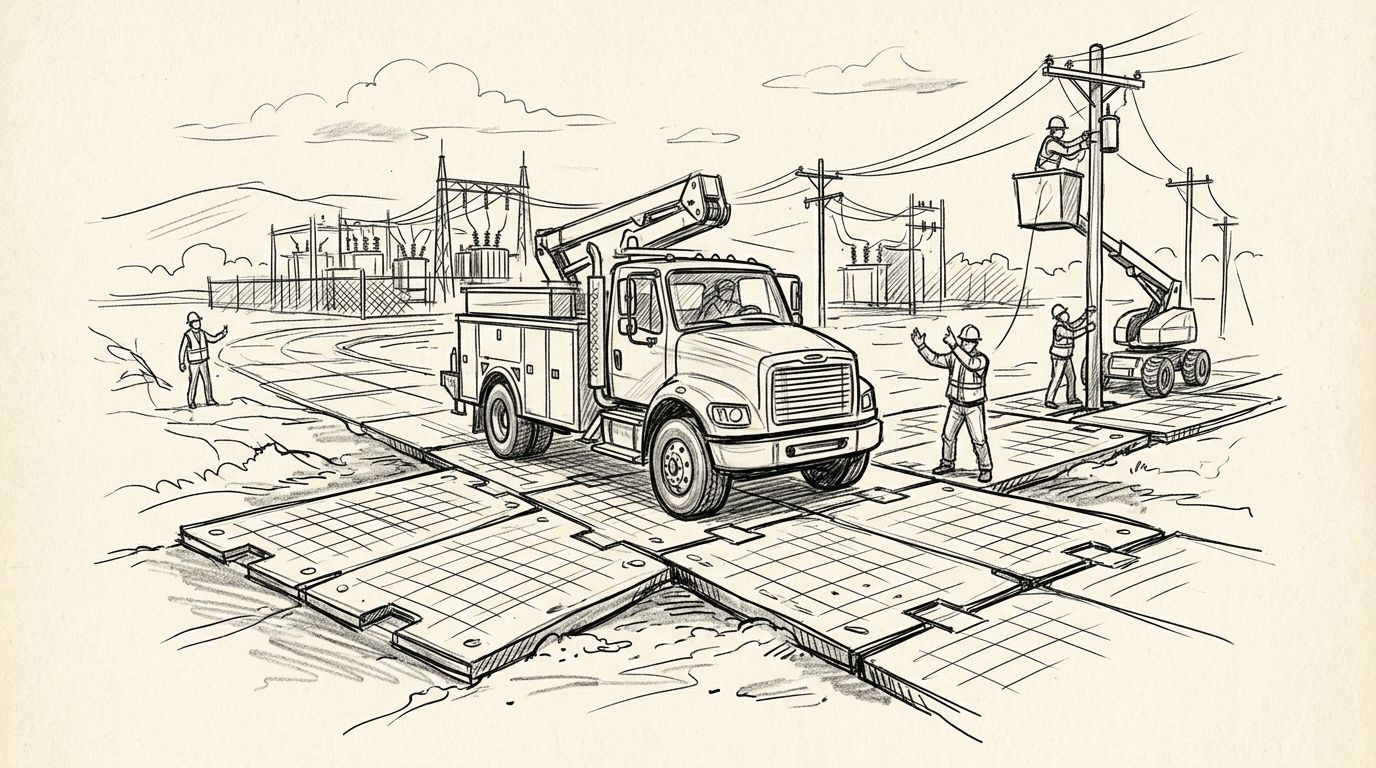
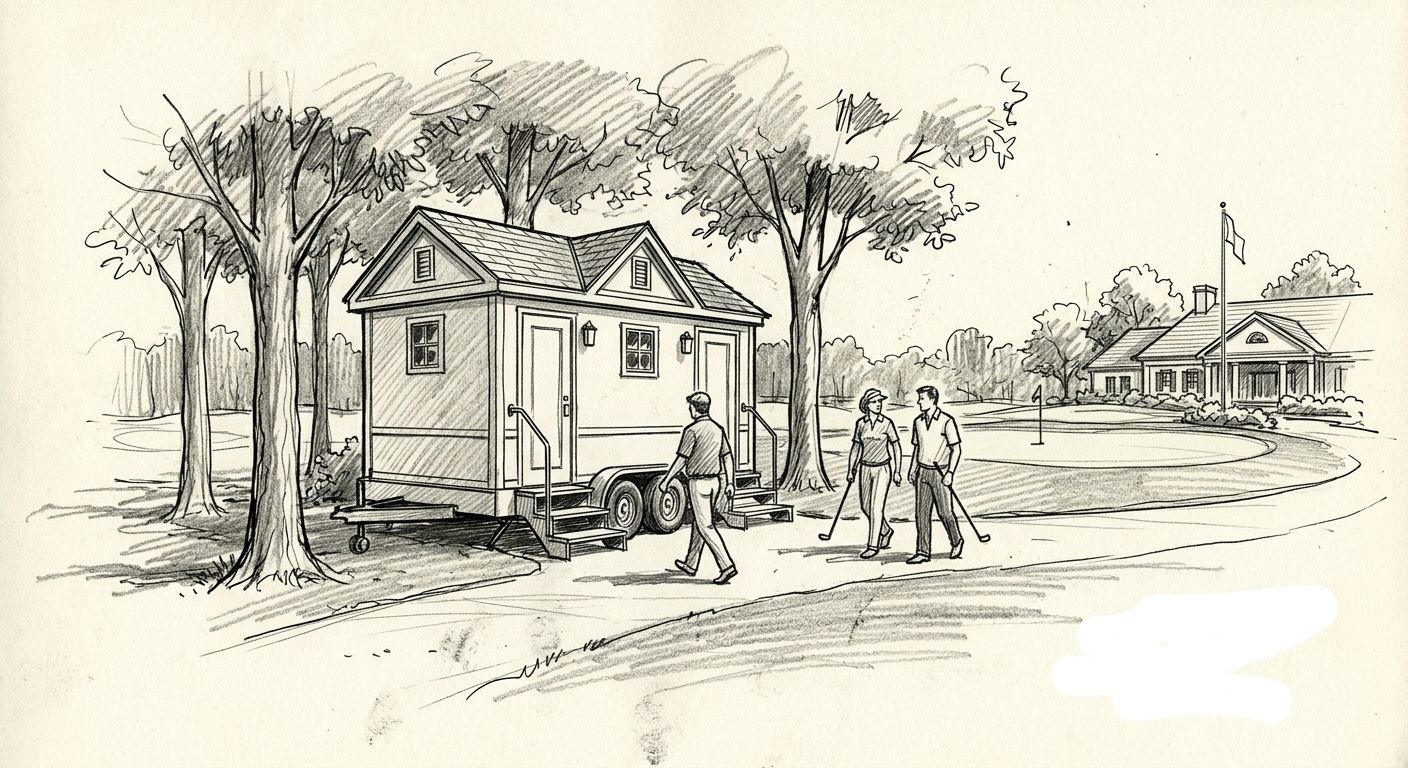
- Book containers, restrooms, and fencing on one call when the job needs more than a dumpster. A multi-unit renovation with vacant units and a leasing office cleanout needs all three, and coordinating separate vendors adds delay Valley's own transfer station schedule avoids.
FAQ
What size dumpster do I need for an apartment unit turn?
A single vacated unit typically fills a 10-yard container. Batches of 3 to 5 units running on the same turnover schedule need a 20-yard container instead.
Is a 20-yard or 30-yard container better for an apartment complex cleanout?
A 20-yard container fits multi-unit residential turns, while a 30-yard fits bulky, low-weight debris from common areas like a clubhouse or leasing office. Match the container to what's coming out, not just the square footage.
How much does dumpster rental cost for apartment complex cleanouts?
Cost depends on container size, rental duration, and debris weight, and it varies by job. Call Valley Services at (408) 297-5404 for a quote based on your specific turnover schedule.
Can dumpster containers be placed in apartment complex parking lots?
Yes, provided the surface can hold the loaded weight and property management approves the placement. Confirm this before the container arrives to avoid a blocked fire lane or a required move.
Do I need a permit for a roll-off container in San Jose?
Placement on private property like a parking lot generally doesn't require a city permit, but street placement in San Jose does. Confirm placement location before booking.
How long can I keep a dumpster rental at an apartment complex?
Single-unit turns typically run 3 to 5 days, while full complex renovations run multi-week rotations. Duration should match your renovation or turnover schedule, not a fixed default.
What's the difference between a 10-yard and 40-yard dumpster?
A 10-yard container holds roughly 4 pickup truck loads and fits a single unit turn. A 40-yard container holds roughly 20 pickup truck loads and fits a full complex renovation running over several weeks.
Can I mix construction debris and household junk in the same container?
Yes, most C&D containers accept mixed construction and household debris, but check for prohibited items like tires, batteries, or hazardous materials before loading. Confirm with your provider if a specific item is unclear.
One last thing
Most roll-off companies haul debris to a third-party transfer site and work around that site's intake hours. Valley Services runs its own C&D transfer station in San Jose, which is the reason a 40-yard rotation on a 50-unit renovation doesn't stall waiting for someone else's landfill window. On a job where the schedule is the whole point, that's the detail that matters more than the container size.
Related guides
For a turnover schedule spanning multiple units, common areas, or a full renovation, call Valley Services at (408) 297-5404 or reach out through valleyservices.biz to talk through container sizing and timing.