Recreation center construction in San Jose runs long: sitework, structural framing, MEP rough-in, interior buildout, and punch-list, often stretched across 12 to 18 months on a municipal timeline. The 30-yard roll-off container is the best overall dumpster rental for recreation center construction, with the 40-yard suited to demolition and grading, the 20-yard suited to interior buildout, and portable restrooms and temporary fencing filling out the rest of the site services package.
- Best overall dumpster rental for recreation center construction: the 30-yard roll-off container handles mixed framing and structural debris.
- 40-yard containers suit full-site demolition and grading phases; order early for tight San Jose jobsite windows.
- Portable restroom rental keeps crews Cal/OSHA compliant on multi-month recreation center builds.
- Temporary fencing and K-rail control site access once demolition starts and construction phases overlap.
- Valley Services runs its own San Jose transfer station, so container swaps do not wait on a third-party dump.
Why this matters
A recreation center job is not one debris stream, it is four or five of them stacked over the life of the project. Demo crews pull out old flooring, gym equipment anchors, and sometimes asbestos-era ceiling tile. Framing crews generate wood scrap and packaging. Interior finish crews leave drywall cuts, carpet, and cardboard. Get the container size wrong at any phase and you are either paying for empty steel or calling for a second pickup mid-week.
Municipal recreation projects also carry inspection schedules and public safety requirements that a private remodel does not. Site access has to stay clear for city inspectors, ADA compliance checks apply to temporary walkways, and a fenced perimeter is often a permit condition, not an option. Valley Services has run roll-off containers, restrooms, and fencing out of the same San Jose yard since 1986, and for a job with this many moving parts, one phone call covering all three service lines cuts down on coordination time contractors do not have in 2026.
What makes the best dumpster rental for recreation center construction
- Size matched to the phase, not the whole job. Demo debris is heavier per yard than finish-phase debris. One size for the entire project usually means overpaying during finish work.
- Local transfer station access. A container that has to travel to a third-party disposal site adds hours to turnaround, especially with San Jose traffic patterns.
- Permit awareness. Recreation centers sit on public or semi-public land, and container placement often needs a street or right-of-way permit.
- Crew sanitation that scales. A multi-month build with 15 to 40 workers on site needs more than a single restroom unit parked at the trailer.
- Site security across phases. Temporary fencing has to hold from mobilization through final landscaping, not just during demo week.
- Scheduling flexibility. Swaps, pulls, and same-week size changes matter more on a public project where delays get noticed.
Recreation center site services at a glance
| Service | Best for | Standout feature | Key limitation |
|---|---|---|---|
| 30-yard roll-off container | Framing and mixed structural debris | Handles wood, metal, and drywall in one load | Needs roughly 60 feet of straight clearance for delivery |
| 40-yard roll-off container | Full-site demolition and grading | Largest capacity in the standard 8 to 40 yard range | Footprint is too large for tight infill lots |
| 20-yard roll-off container | Interior buildout and finish-phase debris | Fits inside a standard parking stall footprint | Fills fast with wet or compacted material |
| Portable restroom rental | Crew sanitation and Cal/OSHA compliance | Serviced on a set schedule for long-duration jobs | Needs a level pad and predictable service access |
| Temporary fencing and K-rail | Site security and perimeter control | Holds the same line from mobilization to landscaping | Adds a setup step before demo can start |
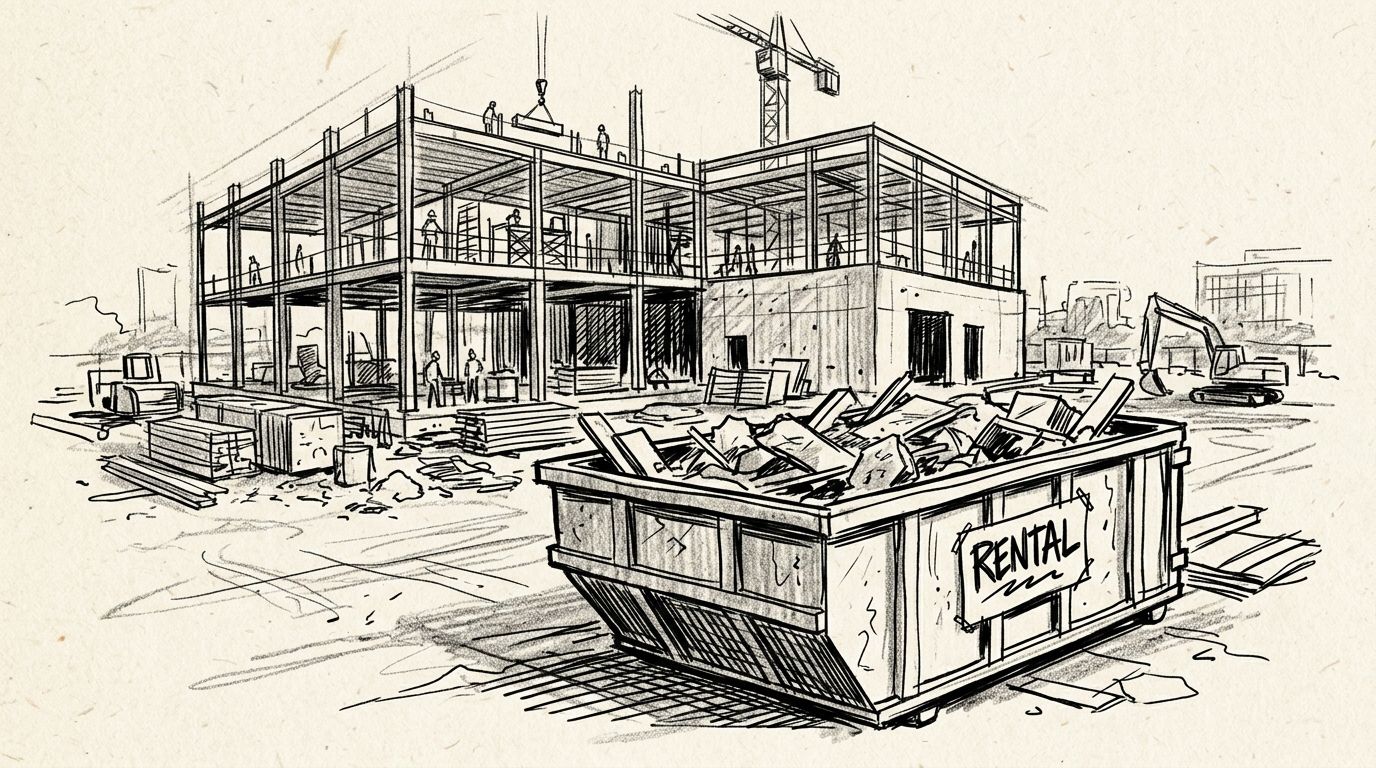
1. 30-yard roll-off container: best overall for recreation center framing
The 30-yard is the workhorse size for the structural phase of a recreation center build. It holds dimensional lumber, roof trusses, drywall offcuts, and packaging from steel and HVAC deliveries without filling in a day.
30-yard container pros:
- Covers mixed debris types in one container, cutting down on separate hauls
- Standard footprint fits most staging areas without special site prep
- Matches the pace of a framing crew working five-day weeks
30-yard container pricing: contact Valley Services for current scheduling and terms.
30-yard container cons:
- Overkill for a single-trade punch-list day
- Still needs clear overhead access for the delivery truck
Best for: general contractors managing the structural and rough-in phase of a recreation center build. Verdict: Buy.
2. 40-yard roll-off container: best for demolition and grading
When the old rec center building comes down or the site gets rough-graded, debris volume outpaces anything a mid-size container can absorb. The 40-yard is the largest standard size and it is built for that first phase.
40-yard container pros:
- Highest capacity in the standard range, fewer swaps during heavy demo
- Suited to concrete, structural steel scrap, and bulk grading spoils
- Reduces truck trips in and out of a site with limited street access
40-yard container cons:
- Footprint rules it out for cramped urban lots
- Not efficient once the job moves into lighter finish debris
Best for: demolition contractors and site prep crews on the first phase of the project. Verdict: Buy for demo, then downsize.
3. 20-yard roll-off container: best for interior buildout and finish work
Once the shell is up, debris shifts to drywall cuts, flooring scrap, cardboard, and fixture packaging. The 20-yard matches that lighter, steadier volume without sitting half-empty.
20-yard container pros:
- Fits in a standard parking stall, useful once landscaping and hardscape start closing in the site
- Right-sized for finish trades working in sequence, not all at once
- Easier to schedule mid-week swaps as trades rotate
20-yard container cons:
- Fills quickly with wet paint, tile mortar, or compacted carpet
- Not enough capacity if demo and finish work overlap on a phased schedule
Best for: interior finish crews and subcontractors during buildout. Verdict: Buy.
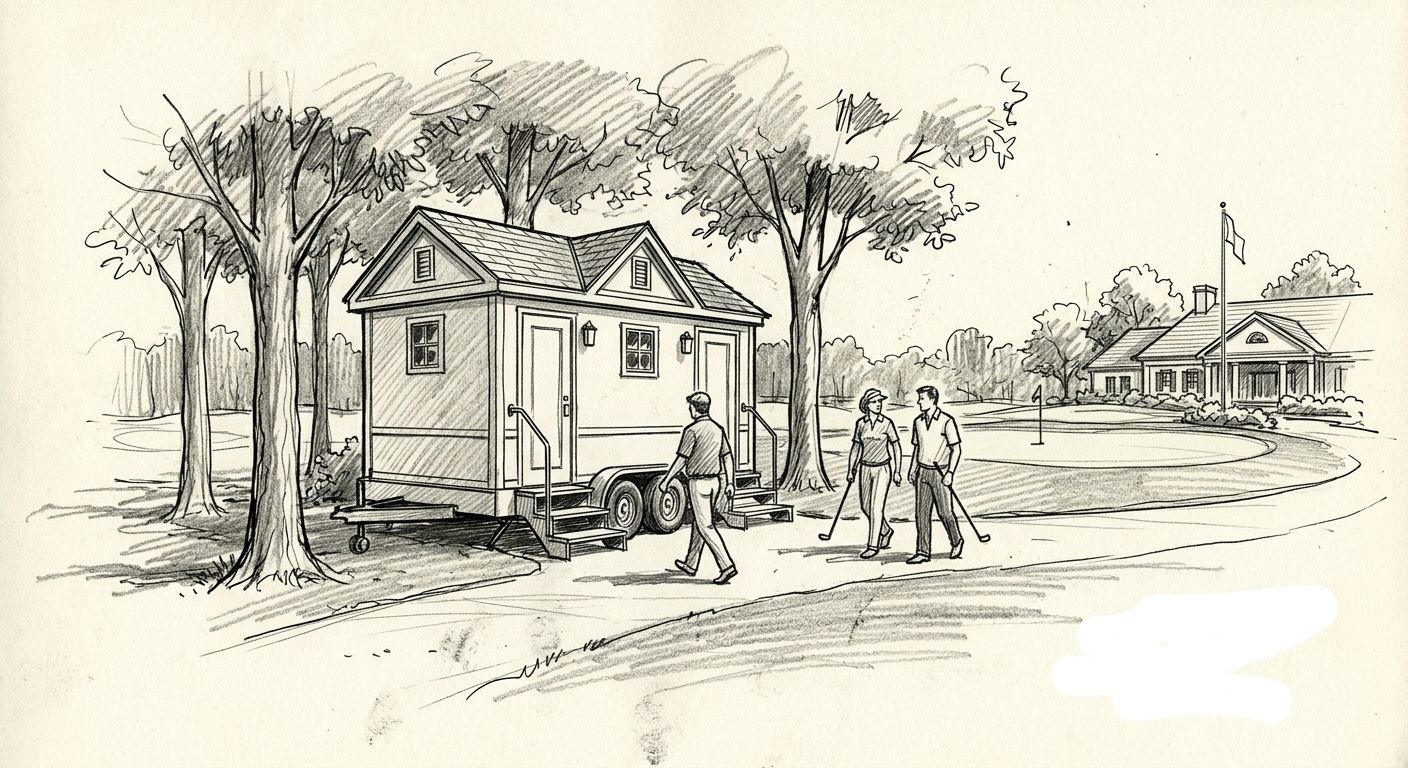
4. Portable restroom rental: best for crew sanitation compliance
A recreation center build often runs 15 to 40 workers across trades for months at a time. Cal/OSHA sanitation rules set minimum restroom counts based on crew size, and a public project is the wrong place to get caught short on an inspection day. Restroom units get serviced on a set schedule rather than left to run out.
Portable restroom pros:
- Scales with crew headcount as trades rotate on and off site
- Serviced on a fixed schedule, no surprise downtime
- Placement can shift as the site layout changes phase to phase
Portable restroom cons:
- Needs a level, accessible pad away from active work zones
- Service windows have to be coordinated around site security hours
Best for: general contractors staffing a multi-month public jobsite. Verdict: Buy.
5. Temporary fencing and K-rail: best for site security across phases
A recreation center sits on public or park land more often than not, which means foot traffic near the perimeter even during construction. Temporary fencing and K-rail hold the line from mobilization through final landscaping, and fencing built for a construction site has to survive weather and repeated gate use over that whole span.
Fencing and K-rail pros:
- Same perimeter setup works from demo through finish, no re-permitting mid-job
- K-rail adds a vehicle barrier where public roads or parking sit close to the site
- Reduces liability exposure on land the public still expects to walk near
Fencing and K-rail cons:
- Setup and teardown add a scheduling step at the start and end of the job
- Gate placement has to account for both site access and public sightlines
Best for: contractors and municipal project managers securing a site the public can see into. Verdict: Buy.
How we ranked these
Each option was weighed against the six criteria above: phase-matched sizing, transfer station access, permit awareness, sanitation scaling, security continuity, and scheduling flexibility. The 30-yard container ranks best overall because it covers the widest span of the job, from late demo through framing, without a size change. The other four picks earned distinct slots because no single container size or service line covers demolition, finish work, sanitation, and security equally well.
Which dumpster rental should you choose for recreation center construction?
Start the job with a 40-yard container for demolition and grading, step down to a 30-yard for framing and rough-in, and finish with a 20-yard during interior buildout. Layer in portable restrooms sized to crew count and set temporary fencing before demo crews arrive, not after. If permits for container placement apply to your San Jose site, confirm that before the first container lands, not after a city inspector flags it.
Plan your recreation center site services
Call to size containers, restrooms, and fencing for every phase.
FAQ
What size dumpster is best for recreation center construction?
A 30-yard roll-off container covers most of the framing and structural phase. Demolition and grading run better on a 40-yard, and interior finish work fits a 20-yard.
Do recreation center projects need a dumpster placement permit in San Jose?
Yes, if the container sits on a street or public right-of-way. Confirm placement rules before delivery since municipal sites draw more inspection attention than private lots.
How many portable restrooms does a recreation center jobsite need?
Cal/OSHA sets minimum restroom counts based on crew size on site. A 15 to 40 person crew typically needs more than one unit, scaled up as trades rotate through.
Is temporary fencing required for a recreation center demolition?
Public and park-adjacent sites usually require perimeter fencing as a condition of the demolition permit. K-rail adds a vehicle barrier where the site borders a public road.
Can one company handle containers, restrooms, and fencing for the same job?
Yes. Valley Services provides roll-off containers, portable restrooms, and temporary fencing out of the same San Jose yard, which cuts down on coordinating multiple vendors on one schedule.
What happens to construction debris after pickup?
Valley Services hauls C&D debris to its own transfer station in San Jose rather than routing through a third-party site, which keeps container swap turnaround on the contractor's schedule.
How far in advance should containers be scheduled for a multi-phase build?
Book demolition-phase containers as soon as the demo permit is set, and line up framing and finish-phase sizes once the schedule firms up, since public project timelines shift more than private ones.
One last thing
Most dumpster rental companies broker disposal to a third-party site, which means your container's turnaround depends on someone else's dock schedule. Valley Services owns and runs its own C&D transfer station in San Jose, so a container swap on a recreation center jobsite does not sit behind another company's queue.
For site services on a municipal or government construction project, call Valley Services at (408) 297-5404 or reach out through valleyservices.biz to talk through container sizing, restroom counts, and fencing for the full build schedule.