Grocery chains and multi-location retailers keep asking the same question every renovation cycle: rent a stationary compactor, or run a rotating roll-off container instead. The right answer depends on cardboard volume, dock access, and how long the store plans to sit in its current footprint.
- Compactor rental for retail stores locks a business into a fixed footprint and a multi-year contract: verdict Consider only for high-volume, single-location stores.
- Roll-off container rotation handles the same cardboard and produce waste without a lease commitment: verdict Buy for most retail and grocery operators.
- Cardboard and paper container service fits grocery stores running heavy corrugate volume from daily deliveries.
- Store renovations need a separate container swap plan, not the same unit handling daily trash.
- Valley Services runs its own San Jose transfer station, which controls the pickup schedule instead of a third-party hauler controlling it.
Why this matters
A stationary compactor looks like the tidy answer for a grocery store pushing out pallets of cardboard every day. It also means signing a contract that outlasts the current store layout, the current manager, and sometimes the lease itself.
Retail and grocery operators researching commercial dumpster rental for retail businesses are usually comparing that fixed compactor commitment against something more flexible: a container that gets swapped on a schedule and sized to the store, not the other way around.
The decision matters because retail footprints change. A store that remodels every five to seven years does not want a bolted-down compactor pad dictating where the loading dock has to stay.
Who this is for
This guide is for grocery store managers, retail facility teams, and property managers in San Jose, Santa Clara, Sunnyvale, Mountain View, and Milpitas who are weighing compactor rental against container service for an active store. It's also for anyone opening, remodeling, or closing a retail location and trying to figure out which waste setup survives the transition without a change order.
What to look for in compactor rental for retail and grocery stores
Cardboard and produce volume
Grocery stores generate corrugate volume that most retail categories never see: produce boxes, case packs, pallet wrap. A compactor sized for a clothing store will overflow at a grocery location inside a week. Match the equipment to actual delivery frequency, not square footage.
Footprint and dock access
A stationary compactor needs a permanent pad, usually behind the store near the loading dock. That pad commits real estate for the life of the contract. A rotating container needs clear drive access on pickup day and nothing more.
Contract length and lease commitment
Compactor leases typically run multiple years because the equipment installation is a capital cost for the vendor. Retail leases don't always run that long. A store closing or relocating before the compactor contract ends is stuck paying out the term.
Service frequency and hauling schedule
Holiday volume, back-to-school volume, and seasonal promotions push waste output up and down through the year. A fixed compactor schedule doesn't flex easily. A container rotation can add a pickup or drop a size with a phone call.
Permitting and site placement
Compactors placed in a parking lot or on a public right-of-way in San Jose may need city sign-off before installation. Roll-off containers dropped for a short-term swap typically clear faster because the placement is temporary by design.
Renovation and reset flexibility
A store resetting shelving, replacing flooring, or doing a full remodel produces a debris spike that a daily-use compactor was never sized to absorb. That volume needs its own container, separate from the ongoing waste stream.
Top picks for retail and grocery waste handling
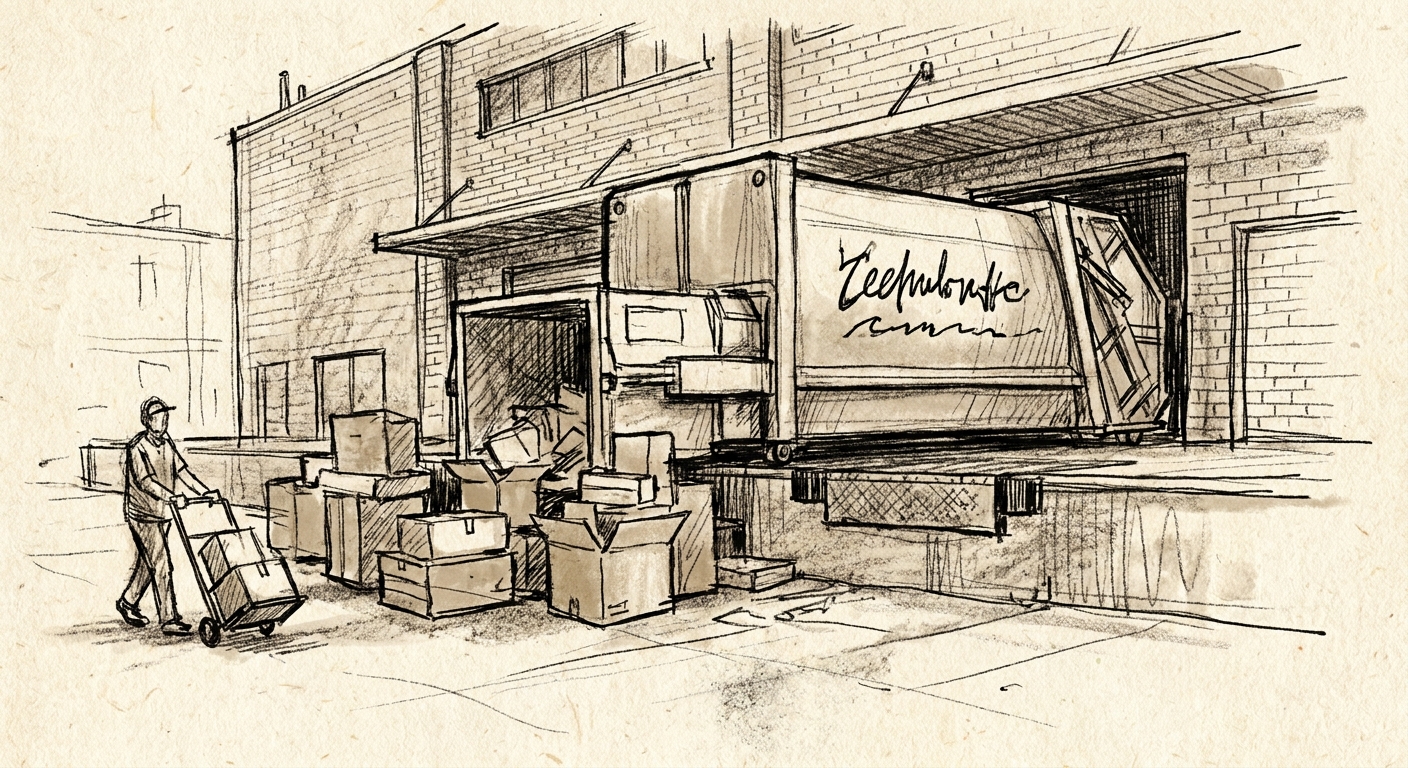
The daily grind: cardboard and paper container service. Grocery stores running heavy daily corrugate from produce and case-pack deliveries do better with a dedicated cardboard and paper container rental than a general waste compactor. It isolates the highest-volume material and keeps the main waste stream from filling up early. One spec that matters: sizing runs from 10 yard up to 40 yard, so a small strip-mall grocery and a full-format supermarket land in different equipment without either one overpaying for capacity they don't use. Buy for any grocery location running daily produce and case-pack deliveries.
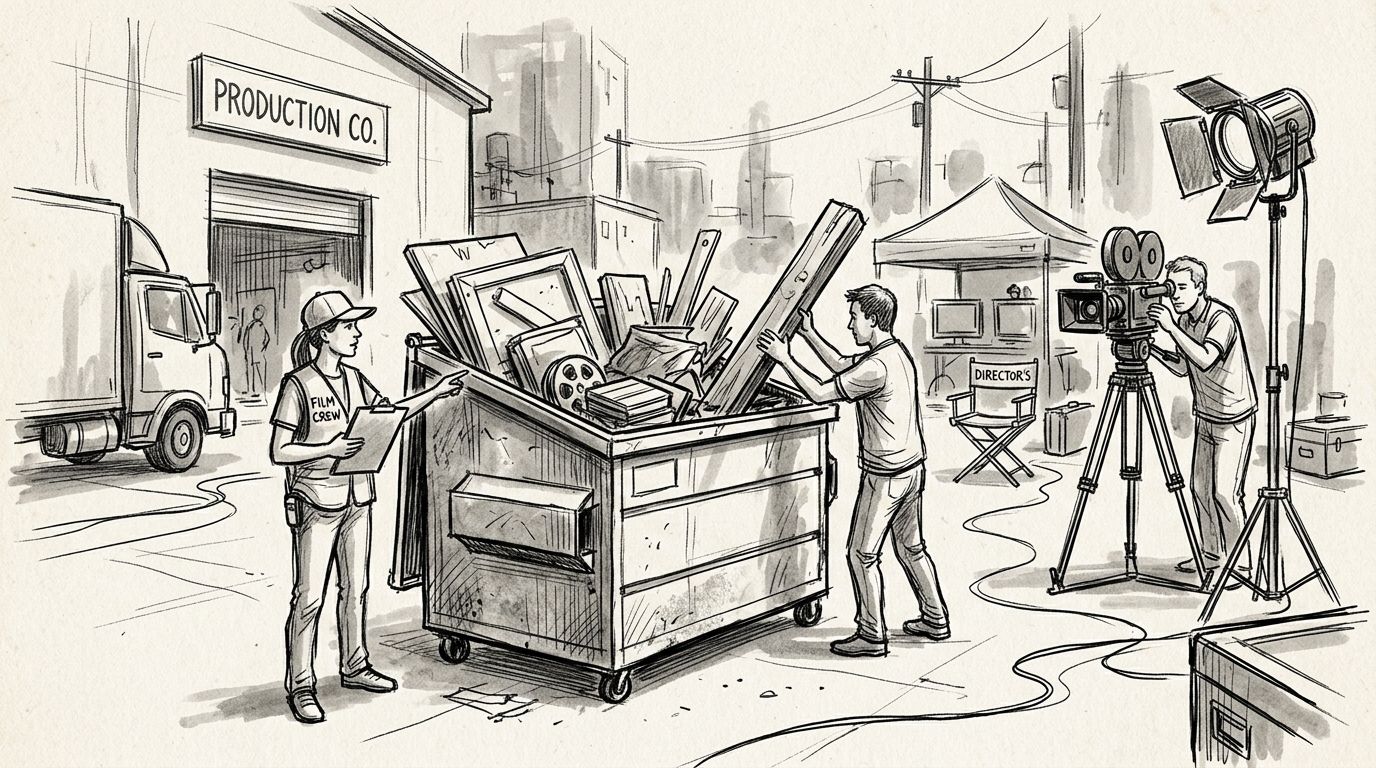
The remodel swap: renovation-specific container rental. A store doing a reset, a flooring replacement, or a full interior remodel needs container rental for retail store renovations running alongside, not instead of, day-to-day waste service. The renovation debris (old fixtures, flooring, drywall) doesn't belong mixed into cardboard or produce waste, and it doesn't fit a stationary compactor's intake chute. Buy during any active remodel, Skip for stores with no renovation on the calendar.
The surge cover: same-day delivery for volume spikes. Holiday weeks and grand-opening events push waste volume past what a fixed compactor schedule was sized for. Same-day dumpster delivery for an extra container covers the gap without renegotiating a lease. Consider this as a standing backup plan for any store with predictable seasonal spikes.
The long-term lease: stationary compactor. A high-volume, single-location big-box store with a permanent loading dock and no relocation plans in the next five years is the one profile where a stationary compactor still makes sense. The tradeoff is real: once installed, the pad and the contract term outlast almost any other decision the store makes about its footprint. Consider only if the store has zero plans to remodel the dock area or relocate before the lease term ends. Skip if the lease on the retail space itself runs shorter than the compactor contract.
What to avoid
- A compactor sized for average volume instead of peak volume. Grocery stores that size equipment for a normal Tuesday get overflow on delivery-heavy days and during holiday weeks.
- Locking into a compactor lease before a remodel is finalized. If floor plans, dock location, or store footprint are still in flux, a fixed compactor installation becomes the thing that has to move around the renovation instead of the other way around.
- Running renovation debris through the same equipment as daily trash. Mixed loads with construction material slow down hauling and complicate site cleanup for a store that's still trying to stay open during the work.
Talk through your retail site's setup
One call covers containers, sizing, and pickup scheduling for your store.
Verdict comparison
| Option | Contract commitment | Footprint impact | Best for | Verdict |
|---|---|---|---|---|
| Cardboard and paper container | Short-term, scheduled swaps | Minimal, drive-up access only | Daily grocery corrugate volume | Buy |
| Renovation container rental | Project-length only | Temporary, moves with the job | Store resets and remodels | Buy during renovation |
| Same-day delivery container | Single-use, on demand | None, temporary drop | Holiday and seasonal spikes | Consider |
| Stationary compactor lease | Multi-year | Permanent pad required | High-volume, fixed-location big-box | Consider, situational |
FAQ
What size roll-off container does a grocery store need?
Most grocery stores run somewhere between a 20 yard and 40 yard container depending on daily cardboard and produce waste volume. A smaller strip-mall grocery location can often stay on a 10 yard to 20 yard rotation.
Is compactor rental or container rental better for a retail store?
Container rental is the more flexible option for most retail stores because it doesn't require a multi-year lease or a permanent pad. Compactor rental only makes sense for a high-volume, fixed-location store with no plans to remodel or relocate.
Does Valley Services rent stationary compactors in the Bay Area?
Valley Services operates roll-off containers, portable restrooms, temporary fencing, and its own C&D transfer station in San Jose. It does not rent stationary compactors, but many retail and grocery stores use container rotation instead of a compactor lease for exactly this reason: no long-term equipment commitment.
Do retail stores need a permit for a compactor or container in San Jose?
Placement in a parking lot or on a public right-of-way can require city sign-off, especially for permanent compactor installations. Temporary container drops for a short-term swap generally clear faster because the placement is not permanent.
Can one container handle both daily waste and a store remodel?
No. Renovation debris like old fixtures, flooring, and drywall needs a separate container from daily cardboard and trash. Mixing the two slows down hauling and complicates site cleanup while the store stays open.
How much lead time does a retail container swap need?
Scheduling a container swap for an active retail store works best when it's planned around delivery days and dock access, not squeezed in last minute. Same-day options exist for urgent volume spikes, but standing rotations run smoother on a set schedule.
What's the difference between a compactor and a roll-off container?
A stationary compactor is bolted to a permanent pad and compresses waste on-site before hauling. A roll-off container is dropped, filled, and swapped on a schedule with no permanent installation or fixed-term lease.
Why do grocery stores need separate cardboard handling?
Grocery stores generate corrugate volume from daily deliveries that can fill a general waste container within days. A dedicated cardboard and paper container keeps that volume from crowding out other waste and overflowing before the next scheduled pickup.
One last thing
Most compactor vendors broker the actual disposal to a third-party site they don't control, which means the vendor's schedule is only as reliable as someone else's yard. Valley Services has run its own transfer station in San Jose since the family took over the operation in 1986, three generations in. Controlling the endpoint means controlling the pickup schedule, not waiting on somebody else's dock to clear.
For a retail or grocery site trying to size the right setup, call (408) 297-5404 or reach out through valleyservices.biz to talk through container sizing and pickup scheduling for the actual store, not a generic footprint.