A manufacturing plant shutdown runs on a fixed clock: contractors are on-site around the clock, equipment comes out in days rather than weeks, and a stalled roll-off container turns into lost turnaround time. This guide covers container sizing, fencing, and restroom logistics for a 2026 plant shutdown, written for the facilities managers and general contractors who run them.
- Roll-off container rental for manufacturing plant shutdowns needs 30 or 40 yard units for tear-out volume in 2026: Buy.
- Temporary fencing keeps outside contractors off the running production floor during a shutdown: not optional.
- A compactor rental handles ongoing plant waste before the line actually stops: Consider over a standing container.
- Valley Services owns its San Jose transfer station, so container swaps don't wait on a broker's calendar.
Why this matters
A shutdown or turnaround is scheduled down to the shift. Every hour a full roll-off container sits waiting for a swap is an hour equipment removal, floor demolition, or line teardown can't move forward. Facilities teams that plan site services alongside the shutdown schedule, not after it, avoid the bottleneck. That planning includes container count, fencing for site control, and restroom counts for the crew surge that shows up on day one. A multi-phase site service plan built before the shutdown starts is what keeps containers, fencing, and restrooms arriving on schedule instead of on request.
A plant shutdown isn't a remodel. Volume spikes fast, contractor headcount triples for a week or two, and the material stream mixes scrap metal, general C&D, and sometimes hazardous byproducts that need separate handling entirely. Site services planned for a kitchen remodel don't scale to a plant floor.
Who this is for
This is written for plant managers, facilities directors, and the general contractors they hire to run a shutdown or turnaround at a manufacturing site in the Bay Area or South Bay. It also applies to property managers overseeing a leased industrial building during a tenant changeout that involves equipment removal and floor-level demolition. If your shutdown window is measured in days and your crew count spikes for that window, the sizing and scheduling logic below applies directly.
What to look for in site services for a plant shutdown
Container capacity matched to shutdown volume
A plant shutdown generates uneven volume: light debris during prep, heavy metal and concrete during teardown, then a final cleanup pass. A 30 or 40 yard roll-off container handles the heavy middle phase; smaller containers get overwhelmed fast and force mid-shift swaps that eat schedule time.
Scrap metal segregated from general C&D
Manufacturing teardown produces conveyor sections, racking, and machine housings that are pure scrap metal. Mixing that with general C&D slows drop-off at the transfer station and wastes container capacity that should go to bulk debris.
Site access for oversized equipment
Plant floors have wide bay doors, forklift lanes, and sometimes rail spurs. Container placement needs to clear equipment removal paths, not just fit in a parking lot corner. Confirm placement with the crew running rigging before delivery, not after.
Fencing and site control during the crew surge
A shutdown brings in electricians, riggers, demolition crews, and equipment movers who don't normally work the site. Temporary fencing separates active work zones from areas still running production or holding sensitive equipment, and it controls who has access after hours.
Restroom counts for a temporary crew spike
OSHA's general sanitation standard (29 CFR 1926.51) sets minimum restroom counts based on crew size on-site at once, and a shutdown crew is almost always larger than the plant's normal headcount. Undercounting restrooms during a two-week turnaround creates a compliance problem that's easy to avoid with correct planning up front.
One point of contact across every service line
A shutdown involves containers, fencing, restrooms, and sometimes a holding tank or water tank for wash-down, all running on the same compressed calendar. Coordinating those through one vendor instead of three separate calls cuts the coordination overhead when the schedule shifts, which it usually does.
Site services that work for a manufacturing plant shutdown
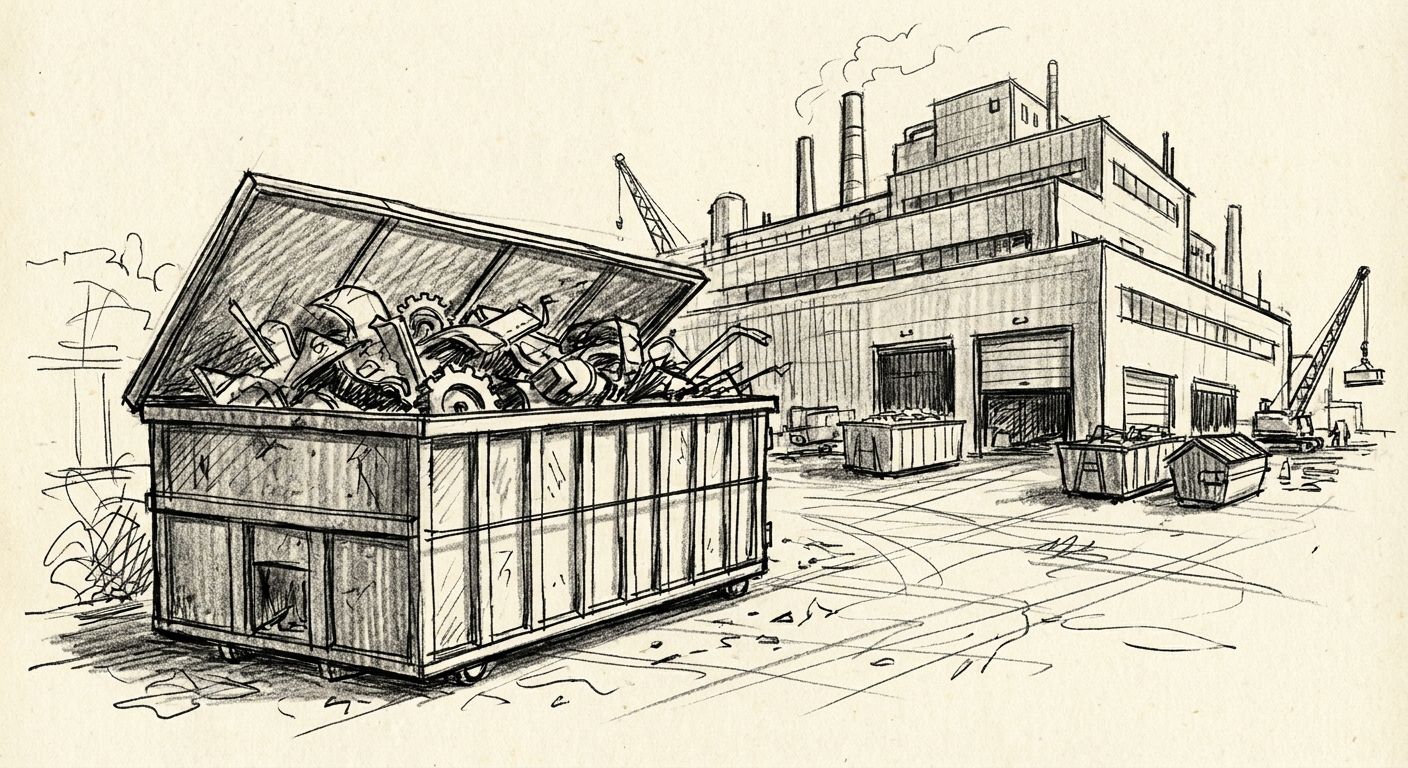
The heavy-volume pick: 30 or 40 yard roll-off container. These blue steel containers handle machine housings, conveyor sections, and structural debris pulled during equipment removal. Plan for at least one swap mid-shutdown on a two-week turnaround with a full crew. Container rental for warehouse cleanouts covers the sizing math for facilities with similar bay-door access and forklift traffic. Verdict: Buy for any shutdown involving equipment teardown over 5,000 square feet of floor.
The site-control pick: temporary fencing. A shutdown crew that triples plant headcount for two weeks needs a controlled perimeter, especially around live equipment still in production or areas with lockout/tagout in effect. Temporary fencing for construction sites breaks down panel spacing and gate placement for active job sites. Verdict: Buy whenever outside contractors outnumber plant staff during the work window.
The pre-shutdown pick: compactor rental. Before the line actually stops, a plant still generates packaging waste, scrap, and general trash at production volume. A compactor handles that steady stream without a roll-off container sitting half full on standby. Trash compactor rental for warehouses and distribution centers covers the crossover point between a compactor and a standing container. Verdict: Consider if the shutdown has a multi-week ramp-down before the line fully stops.
The crew-support pick: restrooms and a holding tank. A plant that doesn't already have restroom capacity for a doubled or tripled crew needs standalone units placed near the work zone, not a single restroom serving the whole shift. Pair restrooms with a holding tank if the site lacks a working hookup during the shutdown window. Verdict: Buy for any shutdown crew over 20 workers on-site at once.
The scrap-handling pick: a dedicated metal container. Running one container for scrap metal separate from general debris speeds drop-off and avoids paying for volume that should have gone to a scrap-specific stream. This isn't a separate rental category so much as a scheduling decision made before the first container lands on-site. Verdict: Buy for any shutdown pulling more than a few tons of conveyor, racking, or machine housing.
What to avoid
- A single undersized container for the whole shutdown. One 20 yard container might handle a light office remodel; it won't cover a plant floor teardown, and mid-shift swaps cost more schedule time than ordering the right size up front.
- No fencing because "it's a private plant." Private property doesn't stop liability exposure when outside contractors, riggers, and equipment movers are on-site alongside running production. Fencing is a site-control decision, not a public-access decision.
- Treating restroom count as an afterthought. A shutdown crew surge that isn't matched with adequate restroom counts creates a compliance gap under OSHA's sanitation standard, and it's the kind of gap an inspector notices fast.
Plan your 2026 shutdown site services
Talk through container count, fencing, and restrooms before the schedule locks.
Verdict comparison
| Service | Best for | Key detail | Verdict |
|---|---|---|---|
| 30/40 yard roll-off container | Equipment teardown, structural debris | Blue steel, handles heavy mixed C&D | Buy |
| Temporary fencing | Crew surge, active plant floor | Separates live production from work zones | Buy |
| Compactor rental | Pre-shutdown production waste | Handles steady volume before line stops | Consider |
| Restrooms + holding tank | Crew over 20 on-site | Meets OSHA sanitation minimums | Buy |
| Dedicated scrap container | Conveyor, racking, machine housing | Keeps scrap separate from general C&D | Buy |
FAQ
What size roll-off container works for a manufacturing plant shutdown?
A 30 or 40 yard roll-off container handles most plant shutdown teardown volume in 2026, including machine housings and structural debris. Smaller containers work for light prep-phase waste but get overwhelmed once heavy demolition starts.
How many restrooms does a shutdown crew need under OSHA rules?
OSHA's sanitation standard, 29 CFR 1926.51, sets minimum restroom counts based on the number of workers on-site at one time. A shutdown crew that triples normal plant headcount needs restroom counts recalculated for that peak, not for the plant's everyday staffing.
Should scrap metal go in the same container as general C&D?
No. Keeping scrap metal in a separate container speeds drop-off at the transfer station and frees up general C&D capacity for tear-out debris. Mixing the two slows processing and wastes container space that should go to bulk material.
Does a manufacturing plant need temporary fencing during a shutdown?
Yes, when outside contractors are working alongside a plant floor that's partially or fully running production. Fencing separates active work zones from areas still in operation and controls after-hours access for a crew that isn't normally on-site.
Is a compactor rental better than a roll-off container for plant waste?
A compactor works better for steady production waste generated before a shutdown actually starts. A roll-off container is the right call once demolition and equipment removal begin, since that debris comes in bulk loads rather than a continuous stream.
How far ahead should container rental be scheduled for a shutdown?
Lock container, fencing, and restroom counts as soon as the shutdown date is set, before contractor schedules and permits are finalized. Shutdown weeks compress demand across every contractor on the same job, so early scheduling avoids delivery conflicts.
How does Valley Services control the schedule during a plant shutdown?
Valley Services owns and operates its own C&D transfer station in San Jose rather than hauling to a third-party site. That means container swaps run on Valley's schedule, not a broker's, which matters when a shutdown window is measured in days.
One last thing
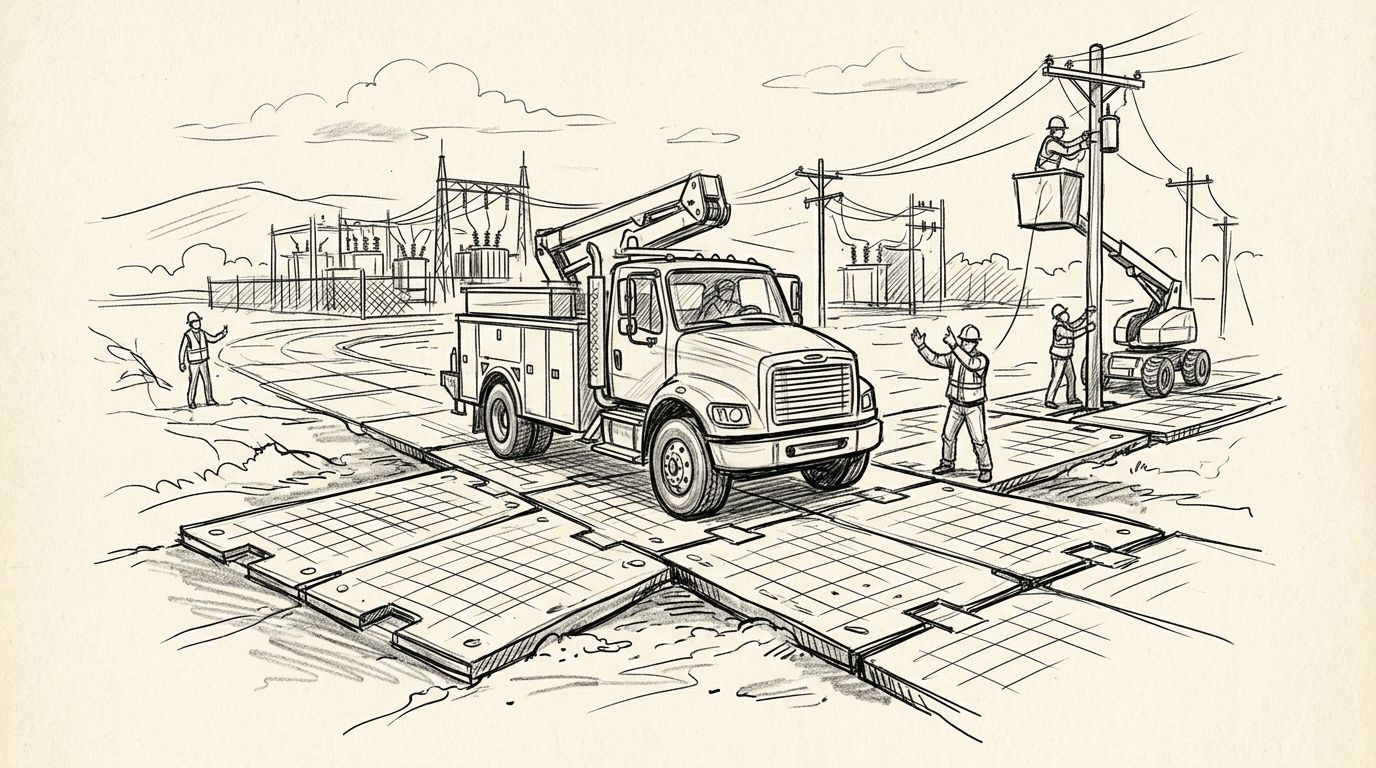
The detail that gets missed most on plant shutdowns isn't container size, it's floor protection. Equipment rigged out on wheels or skids across a finished plant floor can gouge concrete or damage coatings fast, and ground protection mats laid along the removal path cost far less than a floor repair after the fact. Factor that into the site plan alongside container and fencing placement, not as an afterthought once rigging is already underway.
Valley Services has run site services out of the same San Jose yard since 1986, third generation, same family. Call (408) 297-5404 or visit valleyservices.biz to talk through container count, fencing, and restroom needs for your 2026 shutdown before the schedule locks.