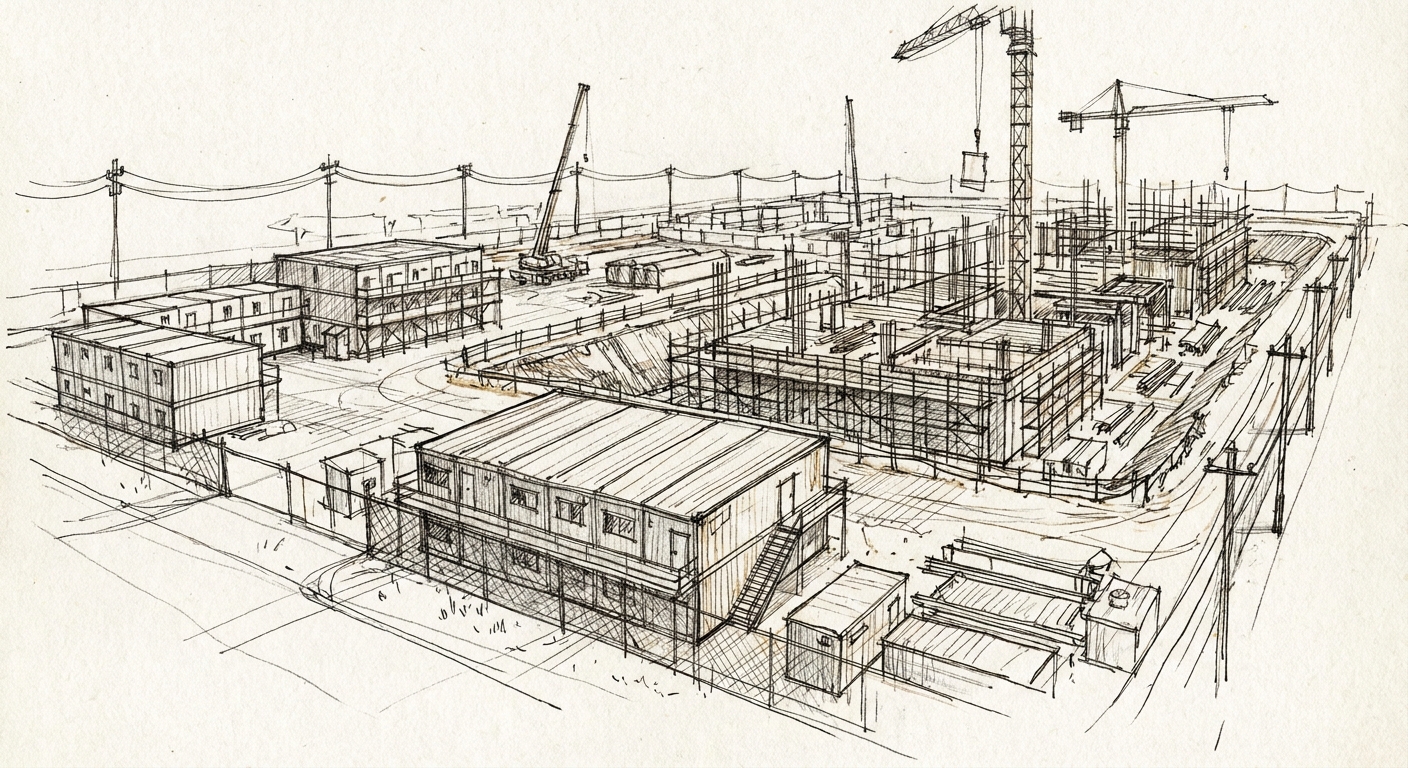
A multi-phase construction project doesn't run on one order of containers, restrooms, and fencing. It runs on three or four different orders, each sized for the phase you're actually in. Plan site services by phase, not by the job as a whole, and you avoid the two most common failures on a long build: paying overage fees on an undersized container and running short on restrooms when the crew doubles.
- Site services for a multi phase construction project change by phase: demo, framing, finish, closeout each need different container sizes and restroom counts.
- Match container size to debris type per phase, not to the whole project. A 40-yard box for demo becomes a 20-yard box for finish work.
- Restroom count scales with crew headcount, not with square footage. Recheck the count every time the crew changes.
- One vendor covering containers, restrooms, and fencing on the same jobsite cuts coordination calls and keeps delivery dates aligned across phases.
Why this matters
A single flat order for site services looks simpler on paper. In practice it means you're either paying for capacity you don't need in the finish phase or scrambling for a bigger container mid-demo. Permits, fencing lines, and restroom counts all shift as the crew and the work change. A 2026 multi-phase schedule with three or four distinct phases needs three or four distinct site service plans, coordinated so nothing sits idle and nothing runs short.
The contractors who avoid delays treat site services as part of the phase schedule, reviewed at every phase transition, not set once at mobilization and forgotten.
What you'll need
- A phase schedule with start and end dates for demo, framing/structural, MEP/finish, and closeout
- Projected crew headcount for each phase, not just the peak
- A driveway and access plan: where containers and restroom units sit without blocking equipment
- Current San Jose permit status for street or right-of-way placement, if applicable
- A fencing perimeter plan that matches site security needs at each phase
- One point of contact authorized to call in size changes and swap dates
The steps
1. Map your phases and durations first
Before ordering anything, lay out every phase on a calendar with real start and end dates, not estimates from the original bid. Demo debris, framing waste, and finish trash are different volumes and different materials, and each phase runs a different length of time.
This step accomplishes one thing: it tells you when to swap equipment instead of guessing. A framing phase that runs eight weeks needs a different container rotation than a two-week demo phase.
Common mistake: using the original bid schedule instead of the actual field schedule after change orders push dates. Update the site services plan every time the phase schedule moves.
2. Size containers to the phase, not the project
Demo debris is heavy and dense: concrete, drywall, old fixtures. Framing waste is bulkier but lighter: lumber offcuts, packaging, sheathing. Finish phase waste is smaller volume but frequent: trim, flooring scrap, packaging from fixtures and appliances.
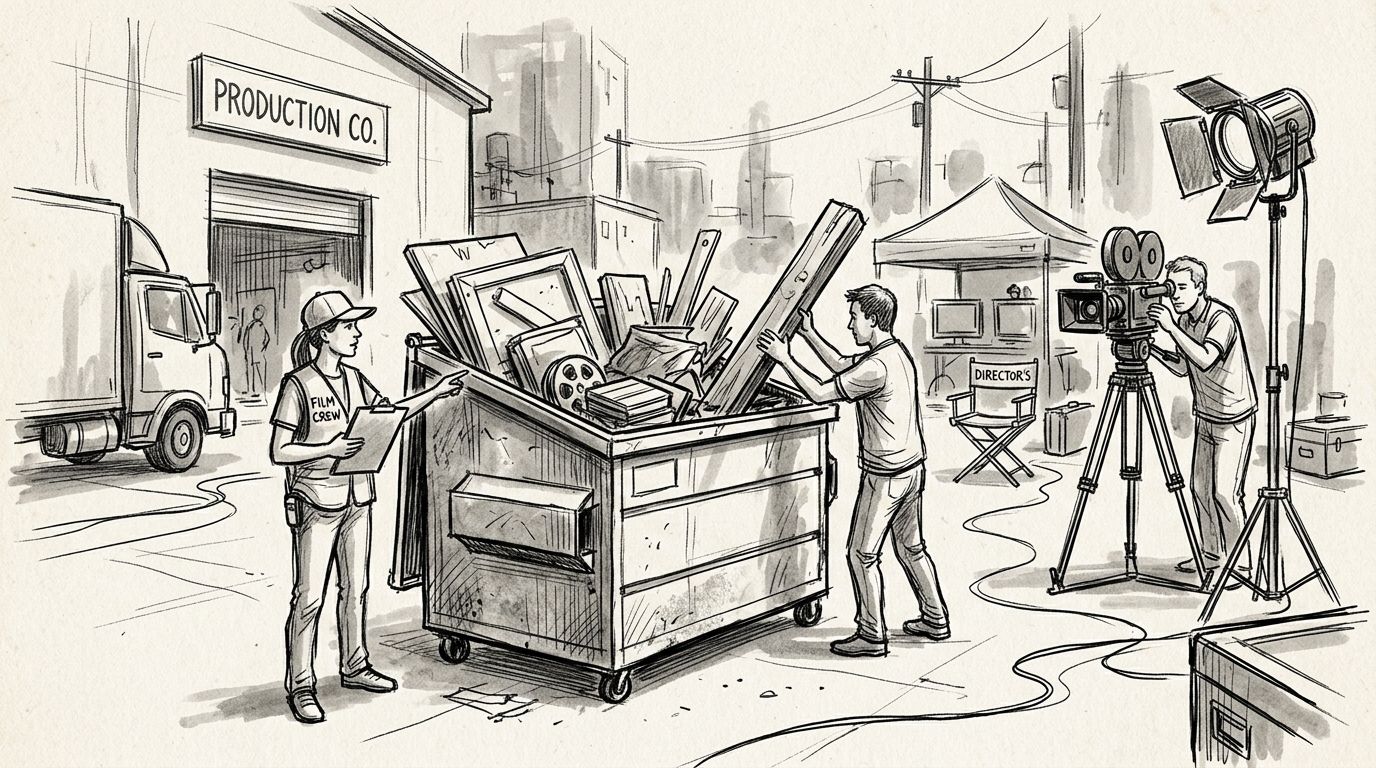
A dumpster rental for general contractors sized for demo, usually a 30 or 40-yard blue steel container, is oversized and wasted capacity by the time you hit finish work. Right-size at each transition: a 40-yard for demo, a 20-yard for framing, a 10 or 20-yard for finish.
Expected outcome: no overage fees from overloading a smaller box, and no wasted haul trips on a container that's mostly empty. Common mistake: locking one container size for the entire project because it was easier to order once.
3. Scale restrooms to crew headcount, every phase
Crew size on a multi-phase job rarely stays flat. Demo might run a crew of four. Framing might run twelve. Finish trades might cycle six different subcontractors through in a week. Restroom count needs to track headcount, not square footage or project value.
Recheck the count at every phase transition and adjust the order. If the crew doubles for framing, the restroom count should move with it. A portable toilet rental company for construction sites that also handles containers on the same site keeps this adjustment a single phone call instead of a new vendor search.
Common mistake: ordering restroom counts based on the peak crew size and never scaling down, which wastes site footprint you need for material staging in later phases.
4. Plan fencing and site control by phase
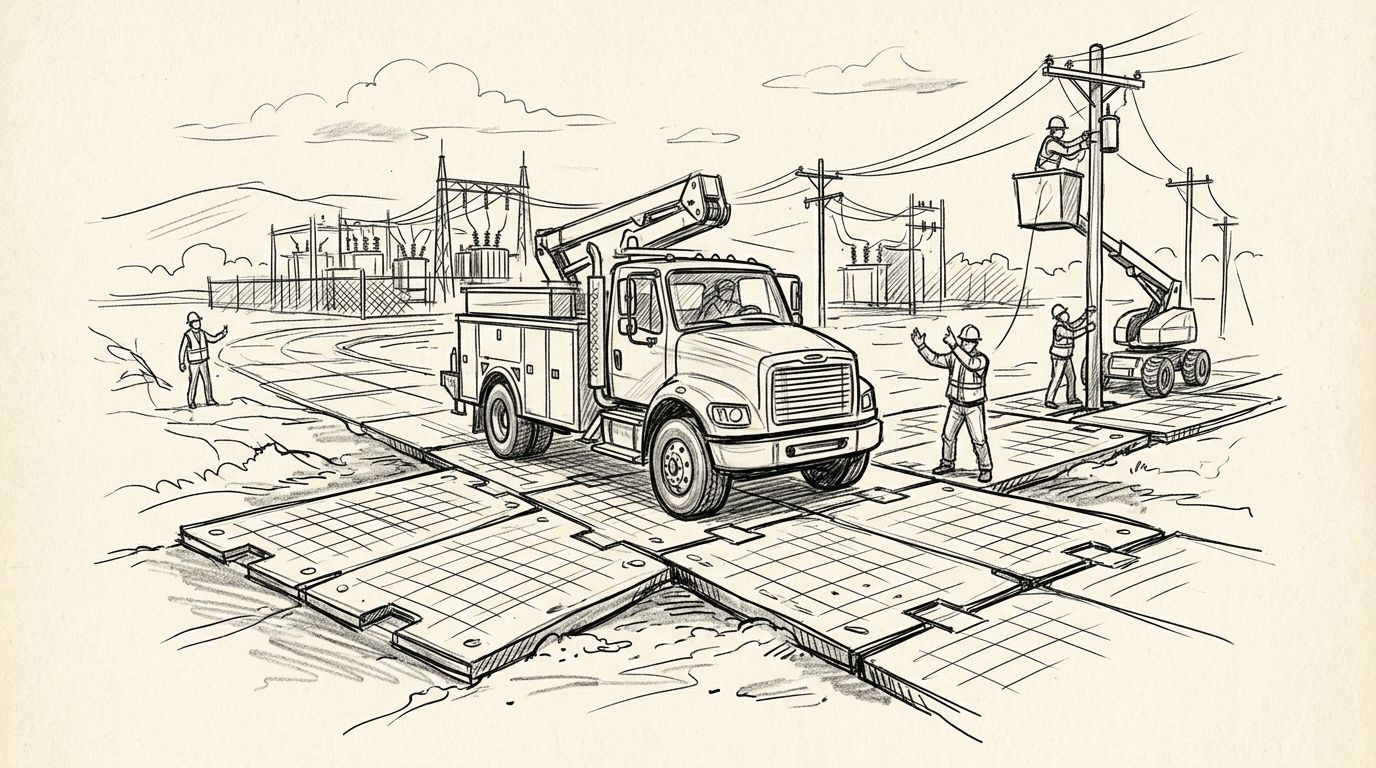
Demo and early construction need full perimeter fencing for safety and site security. As the building envelope closes in, the fencing need often shifts from full perimeter to controlled access points. Late-phase finish work sometimes only needs fencing around material storage or open trenches.
Setting up temporary fencing on a job site at the start of the project is straightforward. The harder part is deciding when to reduce it, relocate it, or add K-rail for traffic separation as site conditions change through the phases.
Expected outcome: site control matches actual risk at each phase instead of running full perimeter fencing for a project that no longer needs it. Common mistake: leaving the original fencing plan in place through closeout, which blocks final grading, landscaping, or paving crews from working the perimeter.
5. Lock permits before the delivery date, not after
If any container or fencing placement sits on a public street or right-of-way in San Jose, the permit needs to be active before delivery, and it needs to stay active if that placement continues across a phase transition. Permits tied to a specific phase can expire mid-project if the phase runs long.
Permitting a dumpster placement in San Jose takes lead time. Build that lead time into the phase schedule, especially at the transition into a phase where placement location changes.
Common mistake: assuming one permit covers the whole project when the container location moves between phases.
6. Build a delivery and swap schedule between phases
Every phase transition is a coordination point: old container out, new size in, restroom count adjusted, fencing repositioned. Build this into the master schedule with specific dates, not "end of framing, roughly."
Expected outcome: no gap where the site has no active container or restroom coverage during a transition, and no double coverage where you're paying for two container sizes on the same week.
Common mistake: scheduling the swap for the same day framing wraps, with no buffer if the phase runs a few days long, which either strands the old container or delays the new one.
7. Assign one point of contact for changes
On a multi-phase job with multiple subcontractors, someone needs standing authority to call in a size change, add a restroom, or move a fence line without a new approval chain each time. Give one person that authority and one vendor relationship covering all site services.
Expected outcome: phase transitions get handled with a phone call, not a new quote request each time. Common mistake: routing every site service change through the general contractor's office instead of the site superintendent who's actually watching crew size and debris volume day to day.
Plan site services by phase
Talk through your phase schedule and lock container, restroom, and fencing dates.
Troubleshooting
Container fills faster than expected mid-phase. Debris volume ran ahead of the schedule. Call for an early swap rather than overloading past the fill line, which triggers overage fees and can void a haul if the load is unsafe.
Restroom units are short during a crew surge. A subcontractor added workers without notice. Recheck headcount weekly during framing and finish, when subcontractor turnover is highest, and adjust the order before the shortage becomes a jobsite complaint.
Fencing gap opens during a phase transition. The old fence line came down before the new configuration went up. Schedule fencing moves to overlap by a day rather than running a hard cutover with a gap in coverage.
Permit expires while the phase is still running. The original permit assumed a shorter phase duration. Track permit expiration against the actual field schedule, not the original bid schedule, and renew before the gap.
Container blocks equipment access mid-phase. Placement worked for demo but not for the crane or lift needed in framing. Revisit placement at each phase transition instead of leaving the container where it landed on day one.
Multiple vendors create scheduling conflicts. Container hauler, restroom company, and fence company all on different schedules means transitions rarely land on the same day. Consolidating site services with one vendor removes this problem entirely.
Tools and resources
- Scheduling dumpster delivery and pickup for coordinating swaps between phases
- A phase-by-phase debris log to track container fill rates and catch a phase running heavier than planned
- A crew headcount tracker updated weekly, tied directly to restroom count decisions
- A single vendor contact for containers, restrooms, and fencing on the same site, which removes three separate scheduling calls at every transition
What to do next
Once the phase-by-phase plan is built, the next decision is which container sizes and restroom counts to lock in for the first phase. Review a site service rental package built for general contractors to see how containers, restrooms, and fencing get bundled under one schedule instead of three.
FAQ
What site services do I need for a multi phase construction project?
A multi phase construction project needs roll-off containers, restrooms, and often temporary fencing, resized at every phase transition. Demo needs the largest container and full perimeter fencing; finish phases need smaller containers and reduced fencing.
How do I plan container swaps between construction phases?
Map phase start and end dates first, then schedule a container size change at each transition based on the debris type of the next phase. Build a buffer day into the schedule so the swap doesn't leave a gap in coverage.
How many restrooms do I need for a construction crew in San Jose?
Restroom count should scale with crew headcount at each phase, not stay fixed for the whole project. Recheck headcount weekly during phases with high subcontractor turnover, like framing and finish.
Do permits need to be renewed for multi phase projects?
Yes, if container or fencing placement sits on a public street or right-of-way in San Jose, the permit needs to stay active for the full duration of that placement. A permit sized for a short phase can expire if the phase runs long.
What size dumpster do I need for demo versus framing?
Demo debris is dense and heavy, typically needing a 30 or 40-yard container. Framing waste is bulkier but lighter, and usually drops to a 20-yard container once demo wraps.
Can I keep the same fencing configuration throughout a multi phase project?
Usually not. Full perimeter fencing makes sense during demo and early construction, but most projects can reduce to controlled access points once the building envelope closes in.
How far in advance should I schedule site services for a multi phase job?
Lock the first phase order at least a week before mobilization and review the full phase schedule for permit lead times, especially any placement on a public street. Build swap dates into the master schedule as soon as phase durations are set.
Does Valley Services handle all site services for one jobsite?
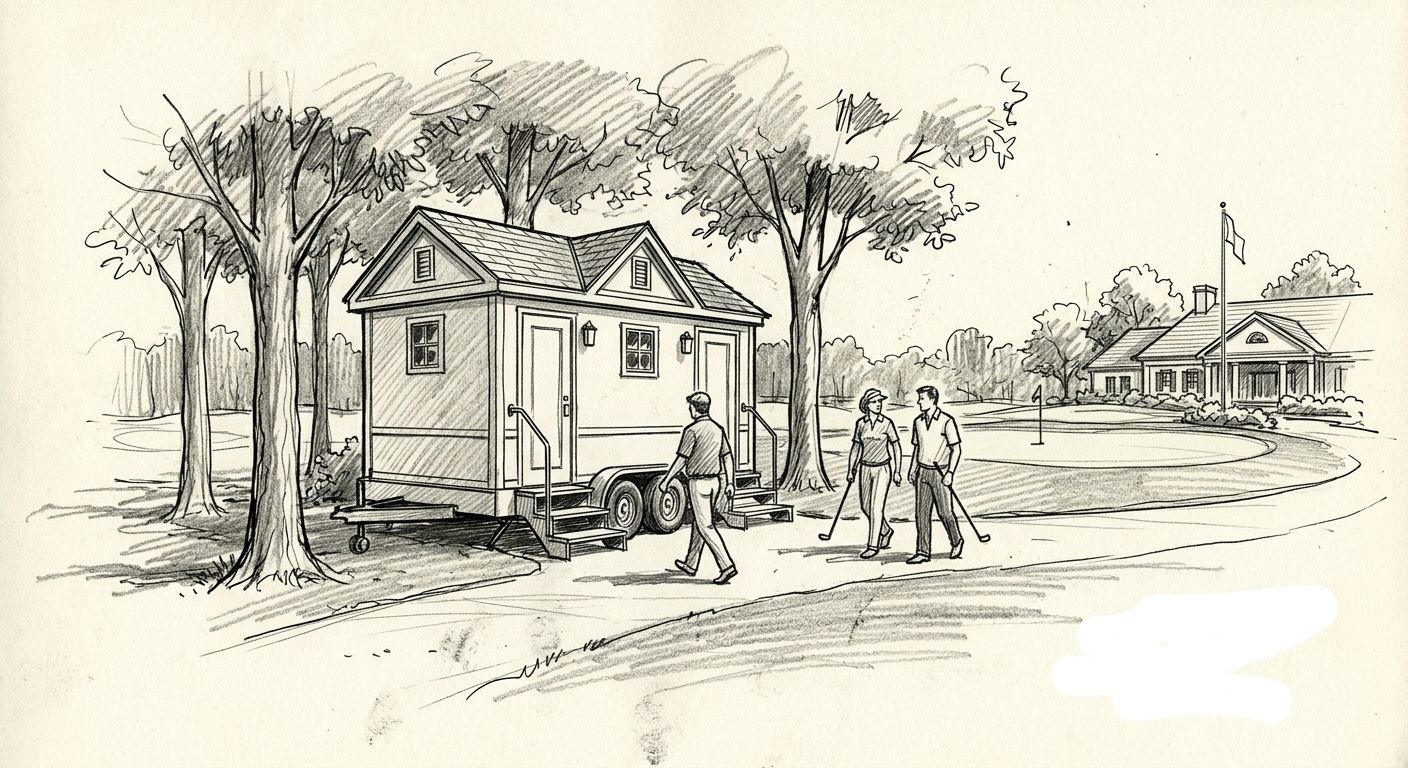
Valley Services covers roll-off containers, portable restrooms, luxury restroom trailers, and temporary fencing on the same San Jose area jobsite, coordinated through one point of contact across all project phases.
One last thing
Most site service vendors broker disposal to a third-party facility, which means their schedule depends on someone else's yard. Valley Services operates its own C&D transfer station in San Jose, so container swaps on a multi-phase job don't wait on a third party's availability. That's the difference between a swap scheduled for Tuesday and a swap that actually happens Tuesday.
Call (408) 297-5404 or visit valleyservices.biz to talk through a phase-by-phase site services plan before your next mobilization.