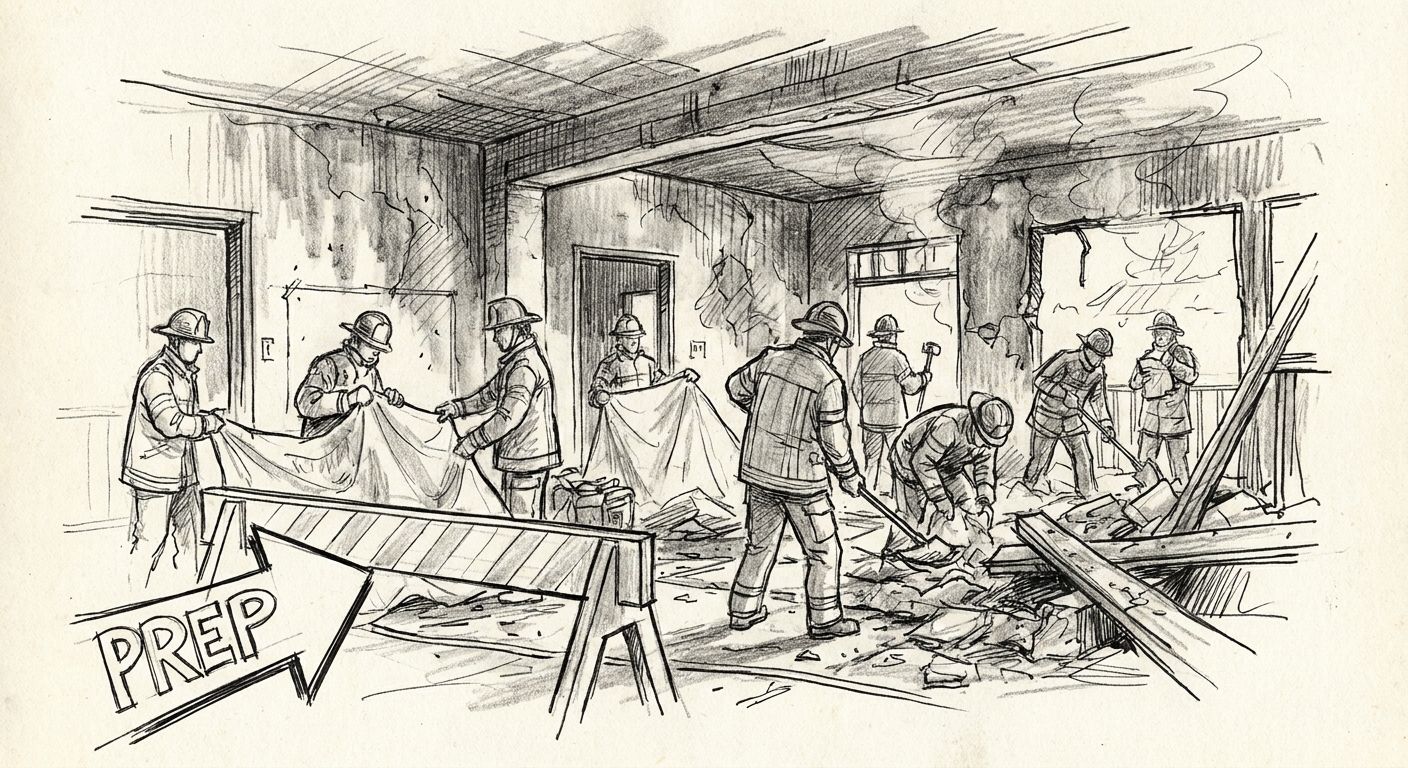
A fire scene is not a normal remodel. The building might still be under a structural hold, the debris is a mix of char, soot, and firefighting water damage, and the insurance adjuster is going to ask questions about every load that leaves the property. Getting the site ready before the crew shows up saves days, not hours.
- Preparing a job site for fire damage restoration in 2026 starts with a structural hold release and a hazardous materials check before debris moves.
- Order a blue steel roll-off container sized for char, ash, and wet debris before the crew mobilizes, not after.
- Temporary fencing goes up on day one to control access and protect against liability on a damaged structure.
- Restrooms belong on-site for crews working multi-day gut-outs, per Cal/OSHA sanitation rules.
- Valley Services delivers containers, restrooms, and fencing under one call for San Jose area fire restoration jobs.
Why this matters
Fire damage jobs move fast once they start, and they stall hard when site logistics are an afterthought. A crew standing around a locked gate or a full dumpster costs more than the container itself. Insurance restoration work runs on documented timelines, and every delay shows up in the claim file.
Most of the mistakes on these jobs happen in the first 48 hours: no restroom ordered for a five-day gut-out, no fencing before the site sat open overnight, or a mixed load of ash and treated wood that gets flagged at the transfer station. None of that is complicated. It just has to happen in the right order.
What you'll need
- A structural engineer or fire marshal sign-off releasing the property for entry
- A roll-off container sized for fire damage restoration contractors, typically 20 to 30 yard for a residential structure fire
- Temporary fencing panels to secure the perimeter
- Restrooms for crew members working multi-day site hours
- A hazardous materials plan for asbestos, lead paint, or treated materials found in older structures
- Photo and video documentation of pre-work conditions for the insurance file
The steps
1. Confirm the structural hold is lifted
Nothing moves until the fire marshal or a structural engineer has released the building. This sounds obvious, but crews get sent out before the paperwork clears more often than anyone likes to admit. Call the local building department or check the red tag status before scheduling a single truck.
Common mistake: ordering a container and restroom for a delivery date before the hold is confirmed lifted. If the site gets re-tagged, you're paying for equipment sitting idle on a locked property.
2. Test for asbestos and lead before demo starts
Any structure built before 1980 in the Bay Area needs a hazardous materials survey before debris comes down. Fire heat can compromise older insulation, tile adhesive, and painted trim in ways that change how that material has to be handled and hauled.
Common mistake: skipping the test on a small residential job because the crew "already knows" the house is clean. A single failed load at the transfer station can shut down disposal for the rest of the project.
3. Order the right container size for char, ash, and wet debris
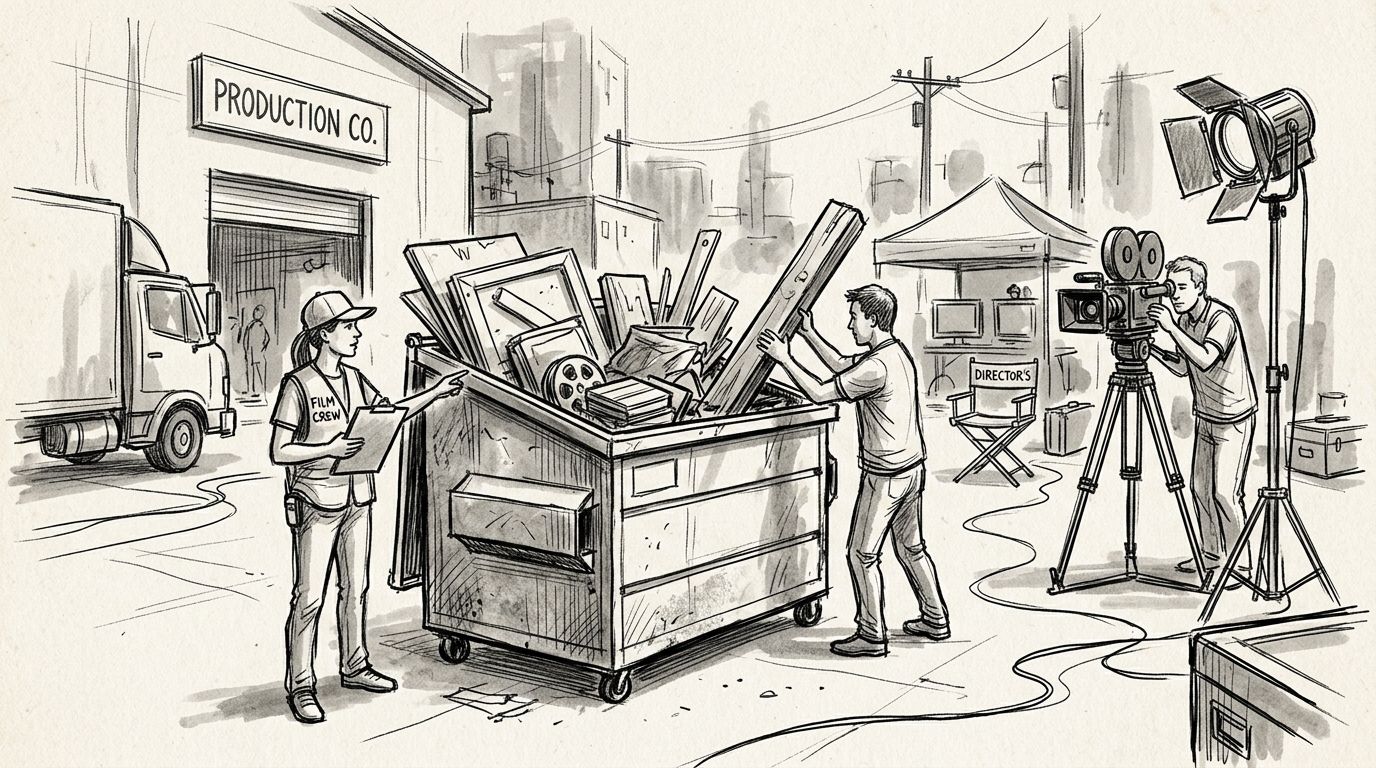
Fire debris is heavier and denser than standard demolition waste. Charred lumber, waterlogged drywall, and ash-saturated insulation weigh more per cubic yard than a normal remodel tear-out. A 20-yard blue steel roll-off handles most single-family fire jobs; larger structures or multi-room losses often need a 30-yard unit staged with a swap-out plan.
Order the container before the crew mobilizes, not the morning work starts. Valley Services runs its own C&D transfer station in San Jose, which means the container gets emptied and returned on the schedule the job needs, not on a third-party hauler's route.
Common mistake: undersizing the container to save a swap fee, then paying for two extra pickups because ash debris fills a 10-yard box faster than anyone expects.
4. Set up temporary fencing for site security and liability
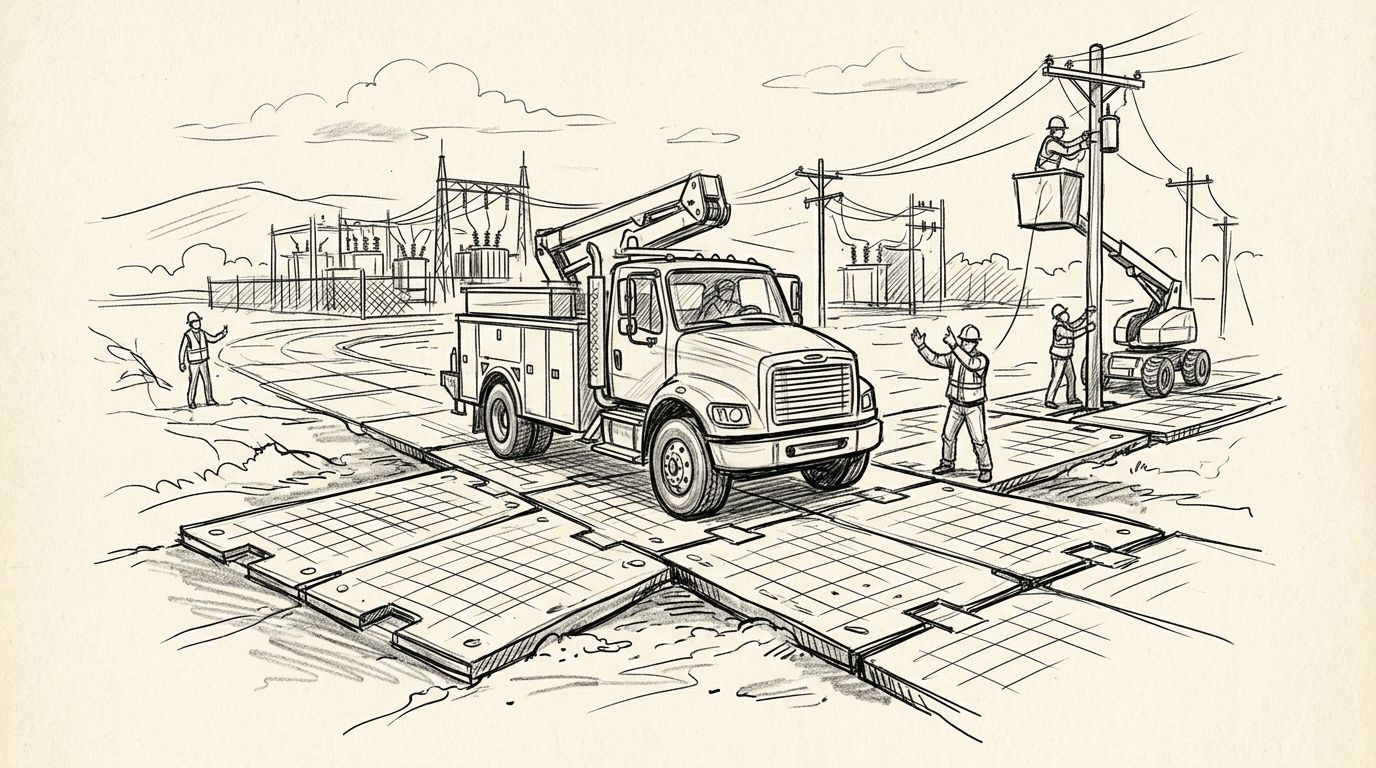
A fire-damaged structure with an open perimeter is a liability problem before it's a work problem. Neighbors, looters, and curious pedestrians all create exposure the property owner and the restoration contractor both want to avoid. Temporary fencing for storm and disaster recovery sites goes up on day one, before the first load of debris comes out the door.
“If the structural hold hasn't been lifted, nothing goes in the container yet.”
Common mistake: waiting until after demo to fence the property. By then the site has already sat exposed for days, and any theft or injury claim during that window lands on the contractor.
5. Bring in restrooms for a multi-day crew
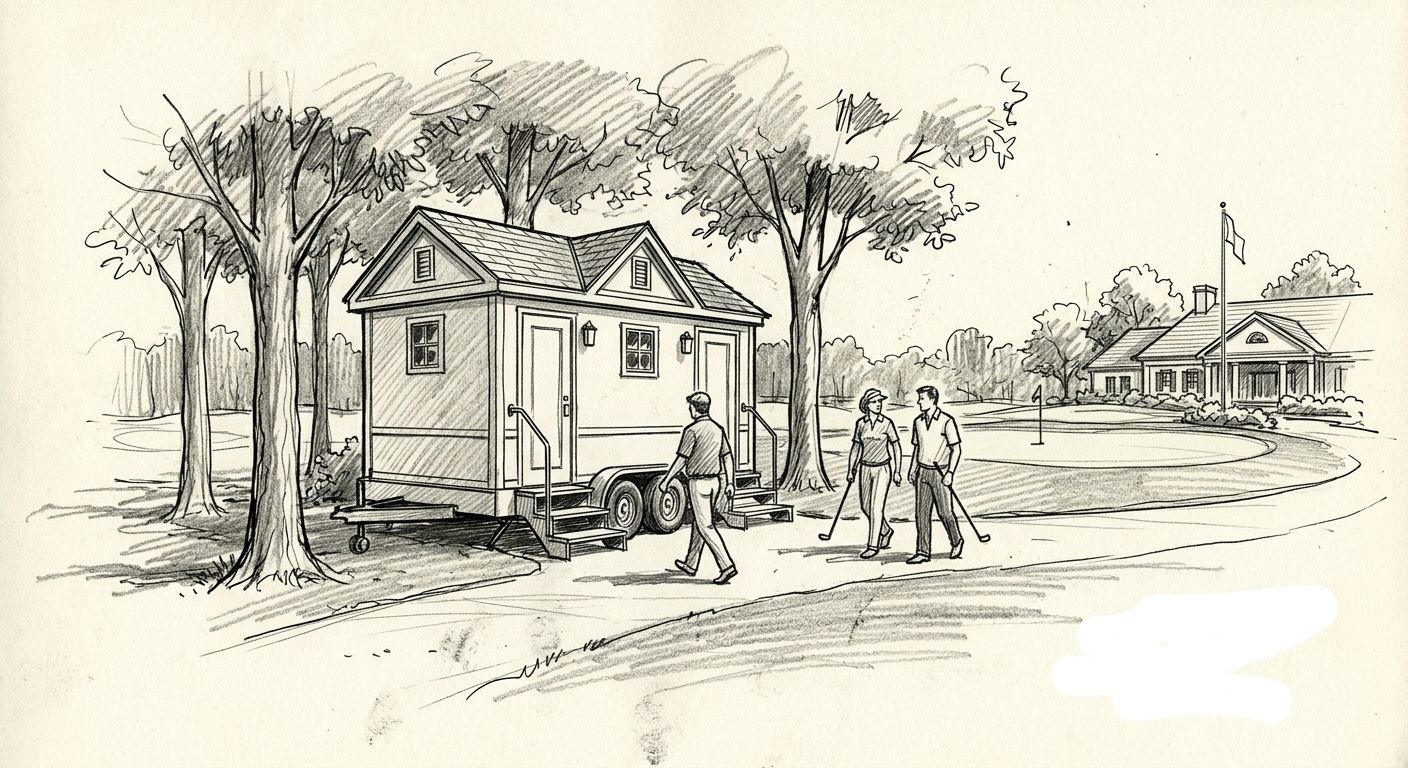
Fire restoration jobs rarely wrap in a single day. Once a crew is on-site for more than a shift or two, Cal/OSHA sanitation standards require accessible restroom facilities, and there's no bathroom left standing in a fire-damaged structure to fall back on. Portable toilet rental for insurance restoration crews is a line item adjusters expect to see on the job cost breakdown.
Common mistake: assuming a next-door neighbor or nearby business will let the crew use their restroom for the week. That arrangement rarely survives past day two.
6. Separate hazardous materials from general debris
Asbestos-containing material, lead paint debris, and treated wood cannot go in the same container as general char and ash. How to dispose of hazardous construction materials safely covers the separation rules that keep a load from getting rejected at drop-off.
Common mistake: mixing a small amount of hazardous material into a general debris load to save a second container. One rejected load costs more time than a properly separated one ever would.
7. Line up the insurance paperwork before the container fills
Adjusters want photos of the debris volume before it leaves the property, and some insurance restoration contracts require a manifest showing where the load went. Dumpster rental for insurance restoration crews walks through the documentation most claims require before the first truck rolls.
Common mistake: hauling debris before the adjuster has signed off on volume. That gap in the paper trail slows down reimbursement on the back end.
8. Document the site before and after
Photo and video walkthroughs on day one protect both the contractor and the property owner. Fire damage claims get disputed more than almost any other insurance category, and a timestamped record of the site condition before work started settles most disagreements before they start.
Common mistake: documenting the interior but skipping the perimeter and fencing setup. Adjusters ask about site security as often as they ask about the structure itself.
Line up containers, restrooms, and fencing
One call covers site services for a fire restoration job in San Jose and the South Bay.
Troubleshooting
- Container fills faster than expected. Ash and char debris run heavier by volume than standard demo waste. Schedule a swap-out at the 75% mark rather than waiting for a full load.
- Load gets flagged at drop-off. Mixed hazardous material in a general debris container is the most common reason. Keep asbestos, lead paint, and treated wood in separate loads from day one.
- Crew has no restroom access on a multi-day job. Order restrooms alongside the container at the same time, not after the crew is already on-site.
- Fencing goes up too late. If the perimeter sat open for even one night before fencing arrived, document that gap for the insurance file and get fencing installed before any further work.
- Structural hold status is unclear. Confirm directly with the building department or fire marshal's office rather than relying on a verbal release from the property owner.
Tools and resources
- Dumpster rental for fire damage restoration contractors
- Dumpster rental for insurance restoration crews
- Portable toilet rental for insurance restoration crews
- Temporary fencing for storm and disaster recovery sites
- How to dispose of hazardous construction materials safely
What to do next
Once the container, restroom, and fencing are on order, the next planning step is sequencing the debris removal against the insurance timeline so the container swap schedule matches the adjuster's inspection dates. Getting all three site services from one yard keeps that schedule in one hand instead of three.
FAQ
How do you prepare a job site for fire damage restoration?
Confirm the structural hold is lifted, test for hazardous materials, then order a roll-off container, temporary fencing, and restrooms before the crew mobilizes. In 2026, most delays on these jobs trace back to equipment ordered after the crew already arrived.
What size dumpster do you need for fire damage cleanup?
A 20-yard roll-off handles most single-family fire restoration jobs, with 30-yard containers common on larger losses. Char and ash debris weigh more per yard than standard demolition waste, so sizing up avoids extra swap-out trips.
Do you need a permit for a dumpster on a fire restoration site?
If the container sits on a public street rather than the driveway or lot, San Jose requires a placement permit. Confirm placement with the property owner and the local building department before delivery.
Is fencing required on a fire-damaged property?
Most insurance restoration contracts and many local ordinances require a secured perimeter on a fire-damaged structure. Fencing limits liability exposure from unauthorized entry while the building sits open during cleanup.
How many restrooms does a fire restoration crew need on-site?
Cal/OSHA sanitation rules require accessible facilities once a crew works more than a single shift on-site. A multi-day gut-out with a five to eight person crew typically needs at least one restroom unit.
Can fire debris and hazardous materials go in the same dumpster?
No. Asbestos-containing material, lead paint debris, and treated wood must be separated from general char and ash debris. Mixed loads get rejected at the transfer station, which stalls the whole job.
How fast can a roll-off container be delivered to a fire restoration site?
Delivery timing depends on the yard's schedule and container availability, so confirm dates directly when the structural hold is close to being lifted. Ordering early keeps the container ready the day the property is released.
Who controls the disposal endpoint for fire debris in San Jose?
Valley Services operates its own C&D transfer station in San Jose rather than hauling to a third-party site. That means container swap and pickup schedules run on the yard's own timeline instead of a broker's.
One last thing
The single detail that trips up more fire restoration jobs than any permit or inspection: crews order the dumpster the same day they plan to start demo, then wait two more days for delivery. Order the container, restrooms, and fencing the moment the structural hold looks close to lifting. The equipment sitting idle for a day costs far less than a crew standing on a locked, unfenced site with nowhere to put debris.
Call (408) 297-5404 or visit valleyservices.biz to line up containers, restrooms, and fencing for a fire restoration job before the crew mobilizes.