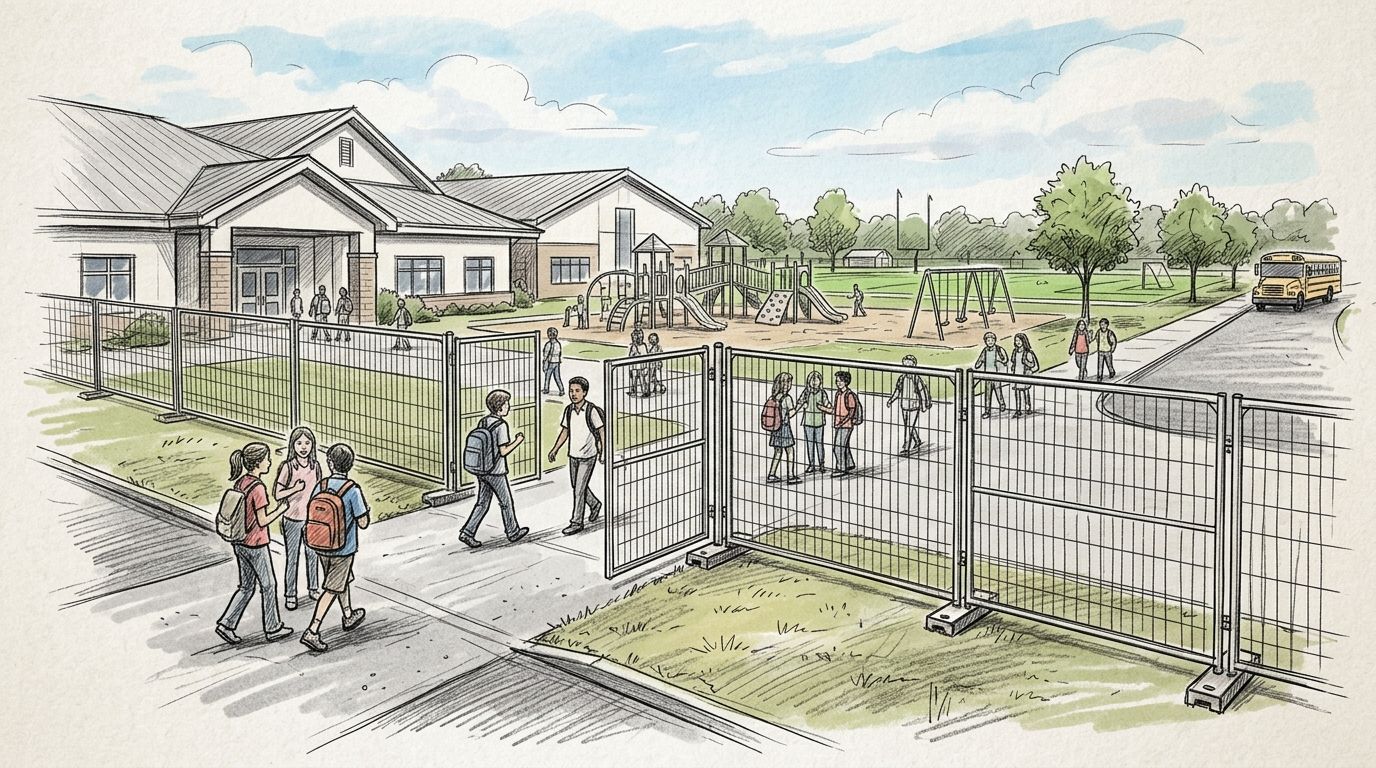
Temporary fencing for schools separates an active construction zone from students, staff, and visitors on a campus that never fully closes, and the rules that work on a commercial job site do not carry over cleanly to a place where six-year-olds walk past the fence line twice a day.
- Temporary fencing for schools must separate construction from students on a campus that stays occupied, not just secure a perimeter.
- Chain link with privacy screening is the standard choice for K-12 renovation zones in the Bay Area in 2026.
- Gate placement near bus loading and drop-off causes more site friction than fence height does.
- Install fencing during a scheduled break when the project timeline allows it, not the first week of a semester.
- Valley Services rents temporary fencing and K-rail from its San Jose yard for districts running summer and mid-year projects.
Why this matters for K-12 campuses
A school is not a vacant lot. Contractors are used to fencing a perimeter and controlling access at one or two gates. On a campus, the fence has to hold against foot traffic on both sides of the line, drop-off and pickup at fixed times, recess and lunch schedules, and staff who need to move between buildings that sit on opposite sides of the work zone.
California school construction and modernization projects generally fall under Division of the State Architect review, which means separation from occupied areas gets checked, not assumed. A fence line that looks adequate to a crew used to commercial sites can fail a walk-through if sightlines into the work zone are open from a classroom window, or if a gate sits within reach of a play structure.
The stakes are different too. A gap in fencing on a commercial job risks trespassing or theft. A gap on a school campus risks a student walking into an active excavation or a materials staging area during recess. That difference drives every decision below.
How to plan temporary fencing for a school campus
Map the work zone against the daily campus schedule
Before ordering anything, walk the site with the project schedule and the school bell schedule side by side. A fence line that works for a 7 AM to 3 PM crew day can still fail if recess, PE, or after-school programs run through the same footprint at other hours.
- Mark every entrance and exit students use during the school day
- Note recess, lunch, and PE locations relative to the work zone
- Flag the paths students use to reach portable classrooms and the cafeteria
- Identify staff parking and delivery routes that cross the footprint
- Confirm whether sports, board meetings, or night classes use the same space after hours
Separate students from the work zone completely, not partially
A partial fence line with an open side facing a field or parking lot is the most common failure point on school sites. Fencing needs to run continuously around the footprint with no informal shortcuts, even when that means a longer run than the contractor first scoped.
- Run fencing on every side that faces occupied campus space, not just the street side
- Close gaps at building corners where crews assume nobody walks
- Anchor panels so wind or a leaning bike rack cannot open a gap
- Post signage at child eye level as well as adult height
The basics of panel spacing and anchoring are covered in this guide to setting up temporary fencing on a job site. The school-specific addition is that every side facing students carries equal weight.
Choose height and screening based on sightlines
Standard 6-foot chain link stops casual access. It does not stop a curious student from watching a lift through the mesh, which is both a distraction during class and a liability question. Privacy screening handles both at once by blocking the view into the work zone.
- Use mesh privacy screening on any run visible from a classroom, cafeteria, or playground
- Step up to taller panels near main entrances and other heavy foot traffic
- Skip screening only where the run faces a street or empty lot with no line of sight to campus space
- Check screening against wind load on exposed runs, especially alongside open fields
For a side-by-side on security tiers, see the ranked breakdown of temporary fencing by height and security level before finalizing panel counts for 2026.
Plan gate placement around bus loading, not against it
Gates are where school-site friction actually happens. A gate placed near a bus loading zone pushes crew trucks and material deliveries into the same lane students use to board, twice a day, every school day.
- Place crew and delivery gates away from bus loading, drop-off, and pickup lanes
- Assign one gate for daily crew access and lock every other gate
- Confirm emergency access width still meets fire lane requirements with the fence in place
- Keep gate hardware out of reach from the student side of the fence
Schedule installation around the academic calendar
Putting fencing up in the first week of a semester creates confusion at drop-off while parents and students are still learning a new routine. A scheduled break avoids that entirely.
- Target winter break, spring break, or summer for initial installation when the schedule allows it
- If mid-semester work is unavoidable, notify the school office at least a week ahead so routes can be communicated to parents
- Plan removal or reconfiguration at the end of a grading period, not mid-week
- Build a buffer week before the 2026 to 2027 school year starts if the timeline runs close to the calendar
Coordinate fencing with the rest of the site services
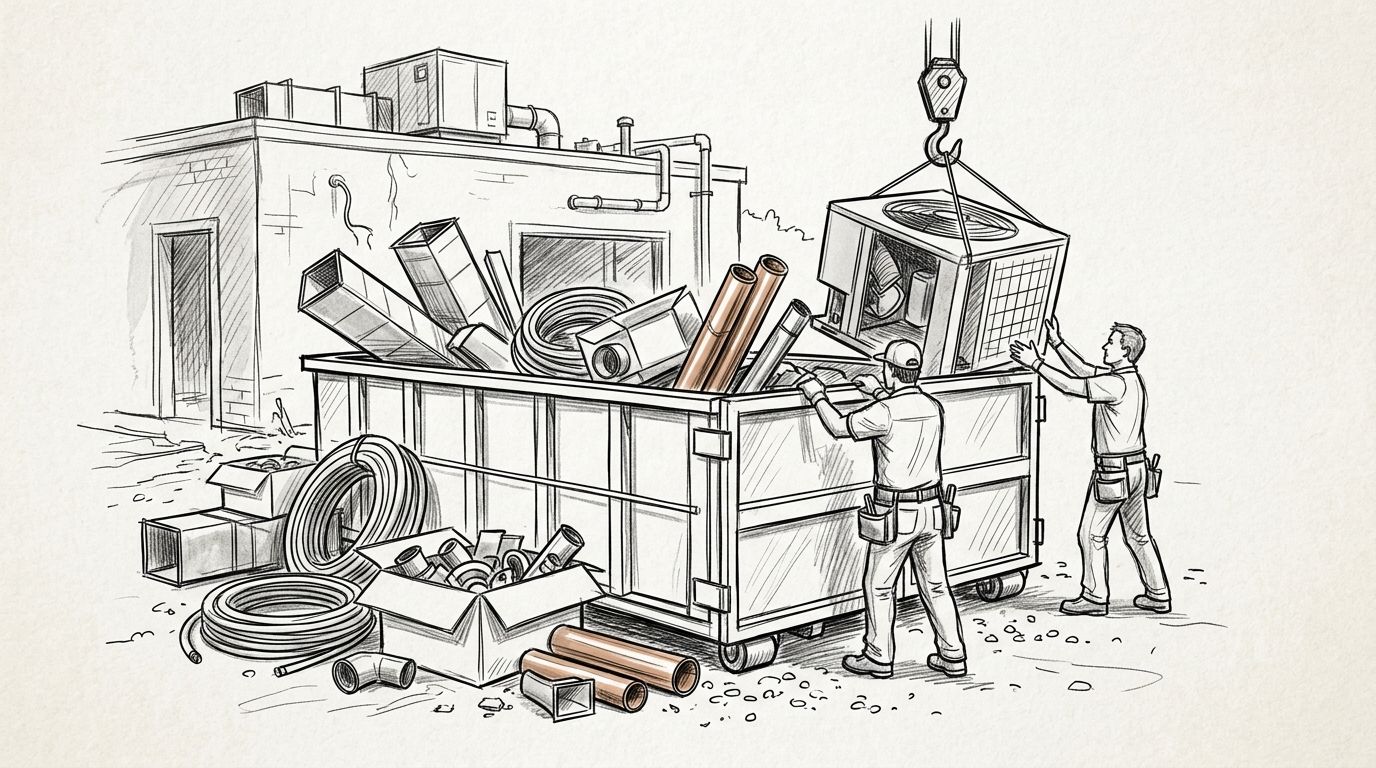
A school renovation rarely runs fencing in isolation. Roll-off containers, crew restrooms, and the fence line all need to sit inside the same secured footprint so nothing forces a gap in the perimeter.
- Stage the roll-off container inside the fenced zone, not outside where students pass
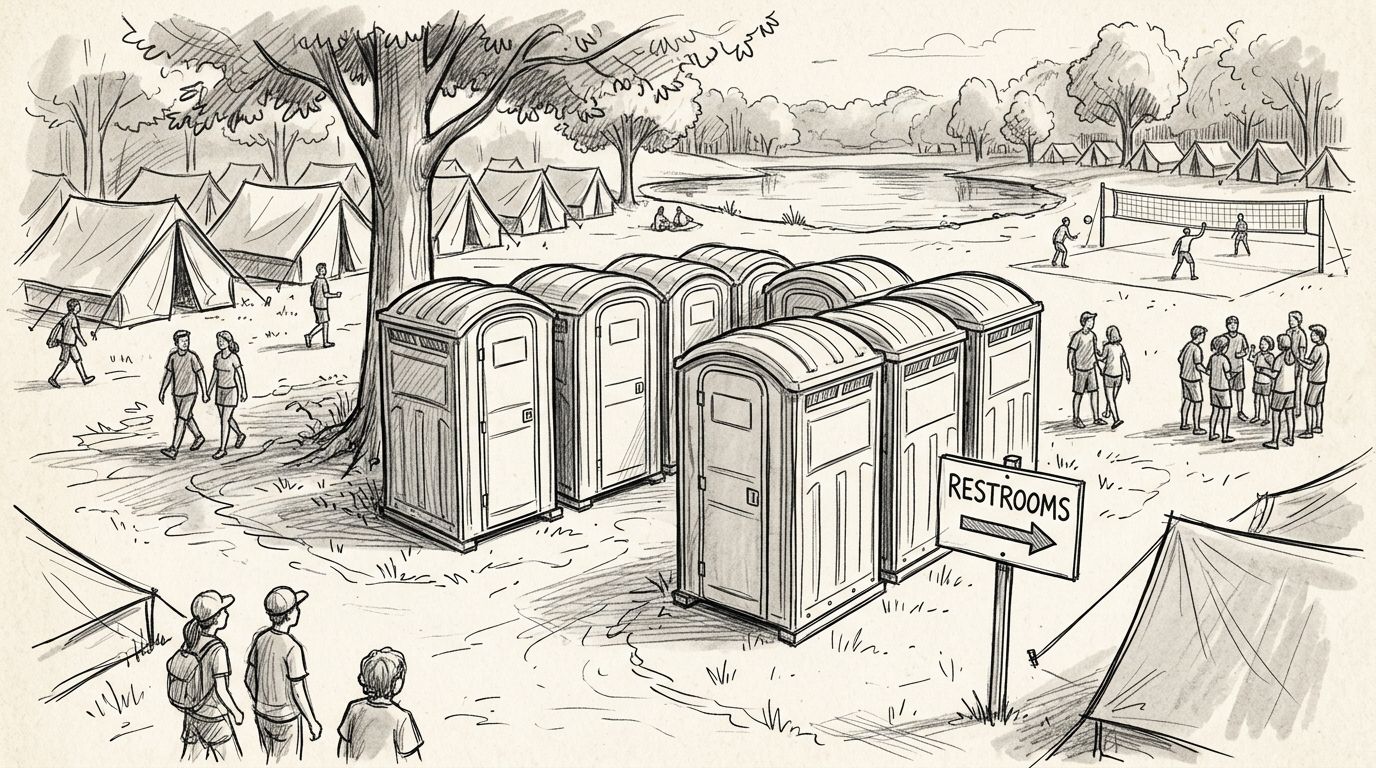
- Keep crew restrooms inside the fence line and off the student-facing sides
- Route container and material deliveries through the single designated crew gate
- Confirm container and restroom placement does not block a fire lane the fence already narrowed
Container sizing and placement for the same kind of occupied campus job are covered in this guide to dumpster rental for school and campus renovation projects. One call to Valley Services covers containers, restrooms, and fencing for a single school site, which keeps the project on one delivery schedule instead of three.
Inspect the fence line on a fixed weekly schedule
Fencing installed correctly in August can develop problems by October if nobody checks it. Wind, daily foot traffic, and normal wear loosen panels and screening faster on an occupied campus than on a vacant lot.
- Walk the full perimeter weekly, not only when a complaint comes in
- Check screening for tears and sag after any windy week
- Confirm gates still lock and have not been propped open by crew for convenience
- Re-anchor any panel that has shifted more than a few inches off its original line
Comparing fencing options for a school campus
| Option | Best for | Key limitation |
|---|---|---|
| Standard chain link | Perimeter runs with no line of sight into the work zone | No sightline blocking, students can watch the work |
| Chain link with privacy screening | Runs facing classrooms, playgrounds, and cafeterias | Higher wind load, needs solid anchoring on exposed runs |
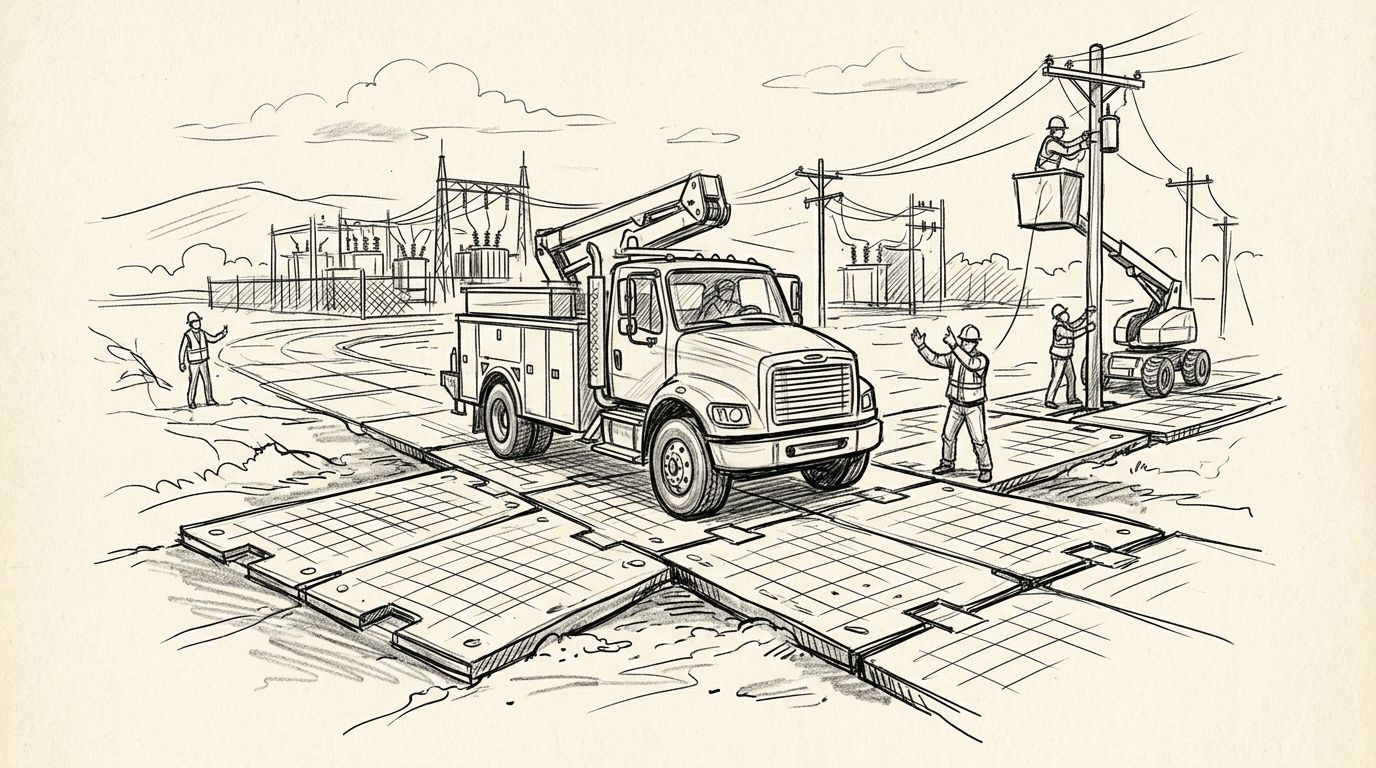
| K-rail concrete barrier | Vehicle separation near drop-off lanes and staging areas | Does not stop foot traffic alone, normally paired with fencing |
| Panel fence with locking gates | Short-term or single-building projects with a small footprint | Less practical across long multi-building perimeters |
Most K-12 renovation projects in San Jose and the South Bay end up combining screened chain link for the main perimeter with K-rail wherever vehicles and pedestrians share a lane.
“A gap you can push a bike through is a gap a student will find.”
Plan fencing for your school project
Talk through gate placement, screening, and install timing before the crew mobilizes.
Common mistakes schools make with temporary fencing
- Leaving a gap near a play structure or field because the site plan did not account for how students actually move through that corner of campus.
- Skipping privacy screening on classroom-facing runs, which turns a classroom into a viewing gallery for heavy equipment during instruction hours.
- Putting the crew gate on the bus lane because it was the closest access point to the parking lot, not because it was the safest one.
- Installing fencing in the first week of a semester instead of during a break, which produces confused drop-off traffic for two weeks straight.
- Forgetting after-hours campus use such as sports practice or a board meeting when deciding which gates stay unlocked and when.
FAQ
What height fencing is used on a school construction site?
Most K-12 projects use 6-foot chain link as the baseline, with taller panels or added screening on runs facing a classroom, playground, or main entrance. Sightlines and foot traffic drive the decision more than a single fixed number.
Does temporary fencing for schools need privacy screening?
Screening is standard in 2026 on any run visible from occupied campus space, because it blocks the view into an active work zone and cuts classroom distraction. Runs facing a street or empty lot usually do not need it.
Where should gates go on a school construction fence line?
Gates belong away from bus loading, drop-off, and pickup lanes, with one gate designated for daily crew access and the rest locked. A gate on a bus lane is the most common cause of friction on K-12 projects.
Can a district rent fencing, containers, and restrooms from one company?
Yes. Valley Services rents temporary fencing, K-rail, roll-off containers, and portable restrooms from its San Jose yard, which keeps a school renovation on one vendor and one schedule.
When should fencing go up on a school renovation project?
Installation during winter break, spring break, or summer avoids the drop-off confusion that comes with a new perimeter appearing mid-semester. If the 2026 timeline forces mid-semester work, notify the school office at least a week ahead.
How often should temporary fencing on a school site be inspected?
Walk the full perimeter weekly to catch loosened panels, torn screening, and propped gates before they become security gaps. Wind and daily foot traffic wear fencing faster on an occupied campus than on a vacant site.
Does K-rail replace fencing on a school jobsite?
No. K-rail separates vehicles from pedestrians near drop-off and staging areas, but it does not stop foot traffic on its own. School projects normally pair K-rail with fencing rather than substituting one for the other.
One last thing
The detail missed most often on school jobs is not fence height. It is the corner where a building juts into the work zone and the crew assumes nobody walks there. Walk every corner of the planned perimeter with someone who knows the campus foot traffic, not only the site plan, before the first panel goes up.
Call Valley Services at (408) 297-5404 or reach out through valleyservices.biz to talk through fencing, K-rail, and site service scheduling for a 2026 school project.