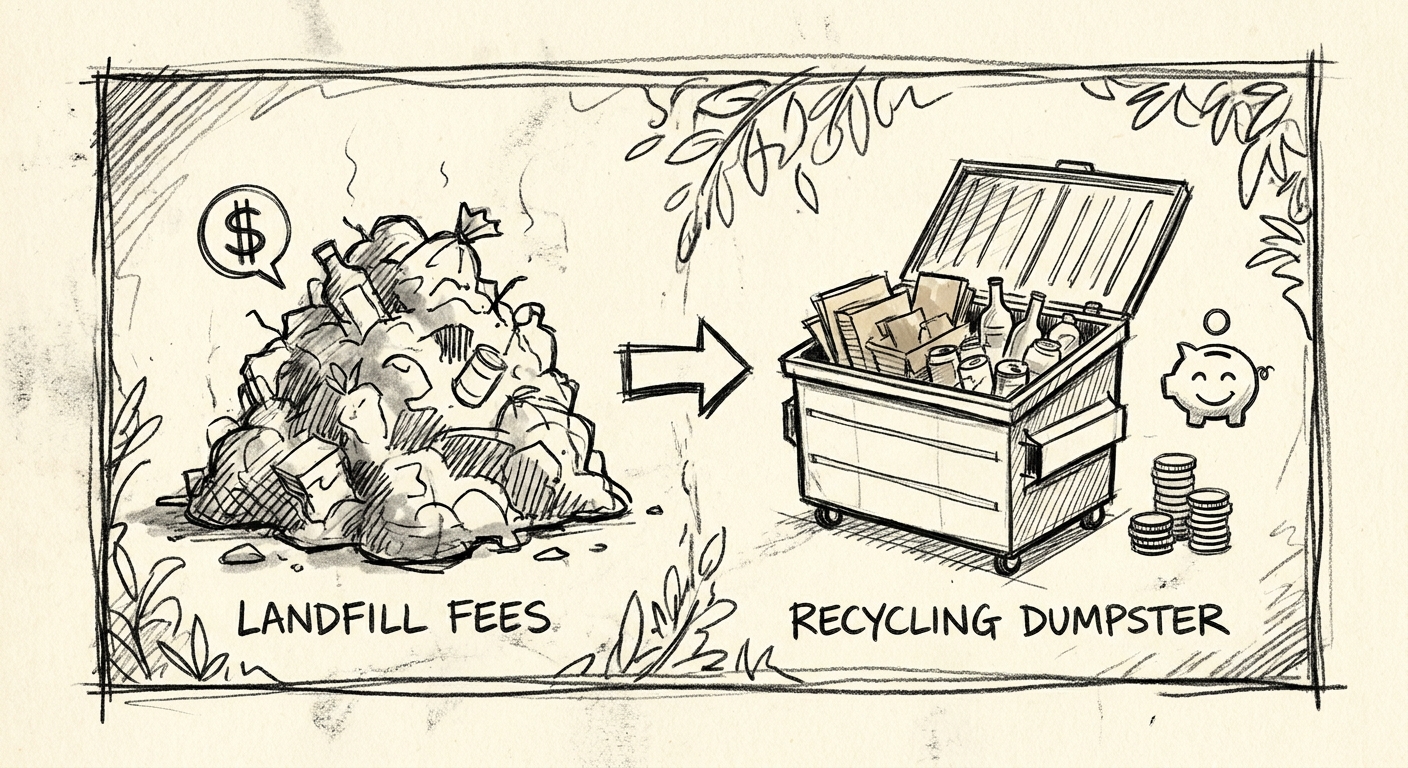
A mixed load of drywall, wood, and concrete costs more at the scale than three separate loads of the same material. That's the part most crews never see on the invoice, and it's the fastest way to cut landfill fees on a Bay Area jobsite in 2026.
- Separating C&D loads by material cuts landfill tipping fees; mixed loads cost more at the scale in 2026.
- Valley Services runs its own San Jose transfer station, so contamination gets caught before the load ever reaches a landfill.
- Overweight and mixed-load charges are the two most common surprise fees on a roll-off container invoice.
- Sizing the container correctly the first time avoids paying for a second pickup or a re-haul.
Why this matters
Landfill tipping fees are billed by weight and by what's in the load, not by the size of the container you rented. A 20-yard container full of sorted wood costs less to process than the same 20 yards packed with wood, drywall, and concrete mixed together. Most contractors never see that math because the container company they used just hauls the load and passes the invoice along.
Valley Services operates its own transfer station in San Jose, which means the same crew that delivers your container also runs the scale and sorts the load. That's a real operational difference: third-party haulers broker disposal to someone else's site, and every hand-off adds cost and adds risk of a contamination charge. Owning the endpoint is how you catch a mixed load before it becomes a fee, not after.
What you'll need
- A rough estimate of your material mix: wood, drywall, concrete, metal, cardboard, mixed debris
- The right container size for the job (10, 20, 30, or 40 yard)
- A flat, accessible spot for placement, clear of low wires and soft ground
- A plan for separating at least one heavy material stream (metal or concrete) into its own container
- A pickup schedule that matches your actual fill rate, not a guess
The steps
1. Call before you order and describe the actual debris
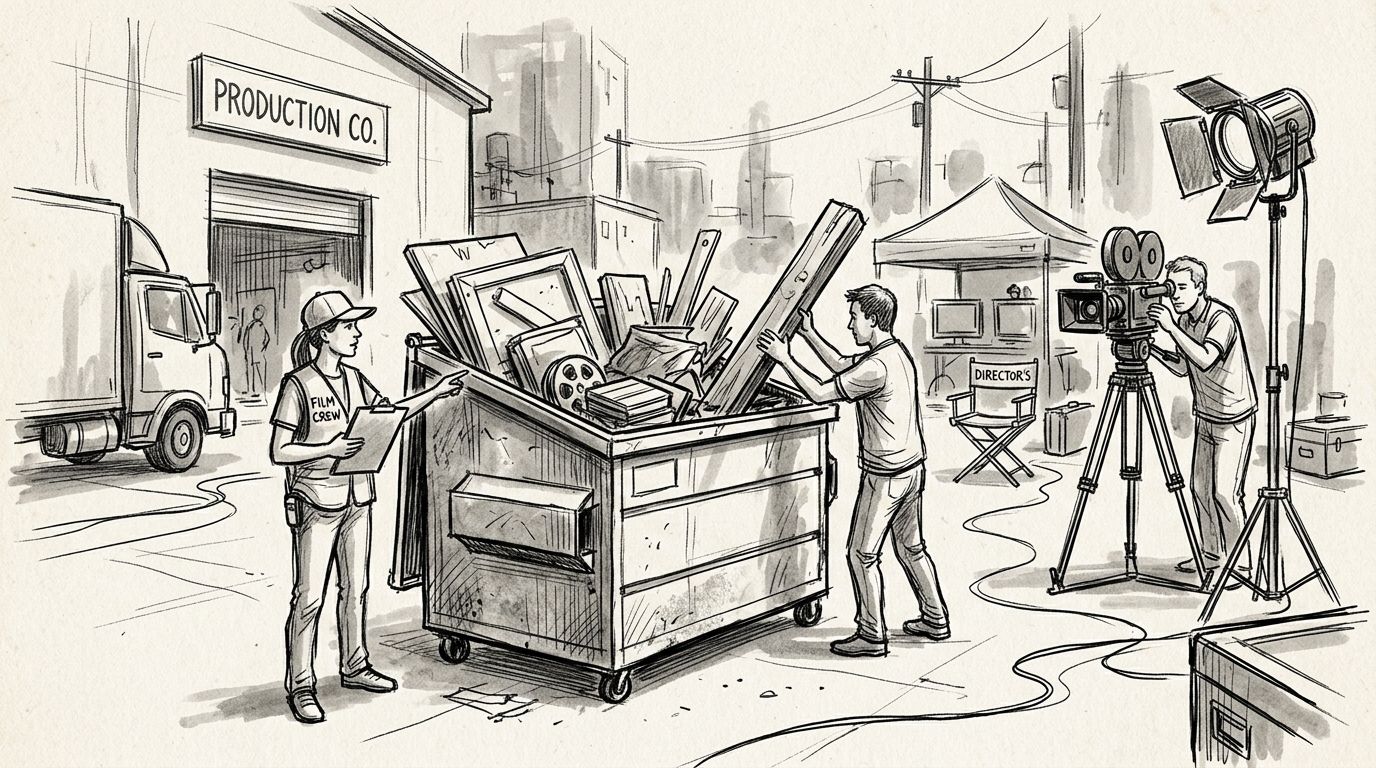
Tell the yard what's coming off the site: roofing, concrete, drywall, mixed remodel debris, yard waste. Container companies size and price around material type because some materials weigh far more per yard than others. Concrete and dirt fill a container fast by weight, long before it looks full.
Common mistake: ordering by job type (kitchen remodel) instead of by material. A gut remodel with a lot of tile and concrete backer board needs a different size than a remodel that's mostly cabinets and drywall.
2. Separate heavy materials into their own container
Concrete, dirt, and asphalt get charged differently than general C&D debris because they process differently at the scale. Keeping a second, smaller container on site for these materials keeps your main load lighter and keeps you off the overweight line.
This is the single biggest lever on the invoice. A mixed load with concrete buried in it can push a 20-yard container over its weight allowance well before it's visually full.
3. Load flat, load level, don't load past the rim
A container filled above the rim gets flagged, and a load with air pockets and loose framing gets charged for the volume it wastes. Break down large pieces, lay flat stock flat, and fill corners before piling the middle.
Expected outcome: a load that reads as full without exceeding the weight line marked on the container wall. Crews that load flat consistently avoid the fees crews that pile high never see coming. For a full walkthrough on load technique, see loading a container without triggering overage fees.
4. Route the load through a transfer station, not straight to landfill
A transfer station sorts before disposal. That sorting step is what separates recoverable material streams from what actually has to go to landfill, and it's the step that lowers your total tipping cost. When the container company owns the transfer station, that sort happens on the first stop, not a second hauled trip.
San Jose contractors working through Valley Services' own transfer station skip the extra hand-off entirely. Third-party brokers route to whatever site has capacity that week, which can mean a longer haul and a higher fee passed to you.
5. Track fees by ticket, not by memory
Every load gets a weigh ticket. Read it. If a ticket shows a contamination line or a weight overage you didn't expect, that's your signal the crew mixed materials that should have been separated. Catching it on the first load saves the rest of the job.
Common mistake: assuming all invoices are flat rate. Weight-based billing means job cost can shift week to week depending on what's actually in the container, especially on demo-heavy phases.
6. Time pickups to your fill rate, not the calendar
A container that sits full for three extra days on a busy site invites overflow, which invites both an overage charge and a safety issue. Match pickup timing to how fast the crew actually fills the box, and adjust mid-job if the pace changes. See scheduling a delivery and pickup for lead-time specifics.
7. Keep debris types out of C&D containers that don't belong there
Appliances with refrigerant, tires, batteries, and paint cans get flagged and can carry their own handling fee if they show up mixed into a general C&D load. Stage those separately and ask the yard how to handle them before the container arrives, not after it's picked up.
Troubleshooting
Ticket shows a contamination charge. The load had a banned or mixed material in it. Walk the crew through what triggered it and stage that material separately going forward.
Container reads overweight before it looks full. Concrete, dirt, or wet debris is likely buried in the load. Pull heavy material into a second container on the next job.
Load got rejected at drop-off. Prohibited items, usually appliances, tires, or hazardous material, were mixed in. Confirm accepted materials with the yard before the container arrives.
Crew keeps overfilling past the rim. Set a visible fill line on the container with tape or paint and brief the crew at the start of each shift, not just on day one.
Pickup keeps getting delayed and the container overflows. Fill rate outpaced the schedule. Call ahead and move the pickup date instead of letting the crew keep piling on top.
Debris disposal for San Jose C&D specifically feels confusing. Municipal rules and permit steps differ by jurisdiction. Review disposing of construction debris in San Jose before the first load goes out.
Plan your load and container size
Talk through material mix and sizing before you order in 2026.
Tools and resources
- A weigh ticket copy from every pickup, filed by job phase
- A material-mix estimate before ordering, not after the container arrives
- A second container or bin for heavy or restricted material streams
- The site permit if placement is on a public street in San Jose, since blocked placement causes its own delay fee
- A pickup schedule tied to actual fill rate, reviewed weekly on longer jobs
What to do next
If this is a multi-phase job, container needs and material mix will shift between demo and framing and finish work. Review planning site services for a multi-phase construction project before locking in a single container size for the whole job.
FAQ
How do landfill fees actually get charged on a roll-off container?
Landfill fees are billed by weight and by material type, not by the size of the container. A load flagged as mixed or contaminated carries a higher rate than a sorted load of a single material.
Does separating materials really lower the cost of a container rental in 2026?
Yes. Concrete, metal, and cardboard process at different rates than mixed C&D debris, so keeping them in separate containers reduces the weight and contamination charges on the mixed load.
What causes a contamination charge on a container invoice?
A contamination charge happens when prohibited or mixed material shows up in a load meant for a single stream, like paint cans or appliances mixed into general C&D debris. Staging those items separately before the container arrives avoids it.
Is it cheaper to use a company that owns its own transfer station?
A company that owns its transfer station controls the sort and the schedule directly instead of brokering the load to a third party. That removes one hand-off and one added haul cost from the process.
What size container avoids overweight fees on a remodel?
Size depends on material, not just job type. A remodel heavy in concrete or tile fills a 20-yard container's weight allowance faster than the same size filled mostly with drywall and framing.
Can yard waste go in the same container as construction debris?
Yard waste and C&D debris are billed differently at most transfer stations, so mixing them into one load can trigger a mixed-material charge. Ask the yard how they want it separated before the container is delivered.
How often should a container get picked up to avoid fees?
Pickup timing should match the crew's actual fill rate. A container that sits overflowing for several days risks both an overage charge and a safety hazard on site.
One last thing
Most overage invoices trace back to one thing: a heavy material buried in a general load. Pull concrete, dirt, or metal into its own container before the main box fills, and the rest of the fee problem tends to solve itself.
Call Valley Services at (408) 297-5404 or visit valleyservices.biz to plan container sizing and load separation before your next drop-off.