A manufacturing facility shutdown moves fast: production lines come down, scrap gets pulled, and the yard fills with pallets, packaging, metal shavings, and obsolete equipment in a matter of days. The plan that keeps a shutdown on schedule pairs the right container sizing with a fixed pickup cadence, so nothing sits and blocks a crew or a forklift path.
- Plan roll-off container needs by shutdown phase, not by total tonnage guessed upfront.
- Blue steel containers from 8 to 40 yard cover everything from scrap metal to bulk packaging waste.
- A facility that owns its own transfer station controls pickup timing better than one brokering disposal.
- Hazardous materials need separate handling before general debris hits a container.
- Site security and restroom needs for contract crews get planned alongside the waste line, not after.
Why this matters
A shutdown has a hard end date. Production restarts on a fixed calendar, and every container that sits full because a hauler is backed up eats into the window a maintenance crew needs to work. Planning waste removal for how to plan waste removal for manufacturing shutdown means locking in container sizing, pickup frequency, and disposal routing before the first line goes down, not scrambling once the floor fills with debris.
Most facilities underestimate the volume that comes out of a shutdown because they think in terms of daily production waste, not teardown waste. Teardown generates scrap metal, insulation, wood dunnage, and packaging at a volume that looks nothing like a normal week. Container rental for manufacturing and industrial facilities covers sizing patterns specific to plant floors, and it is worth reviewing before the shutdown schedule is finalized.
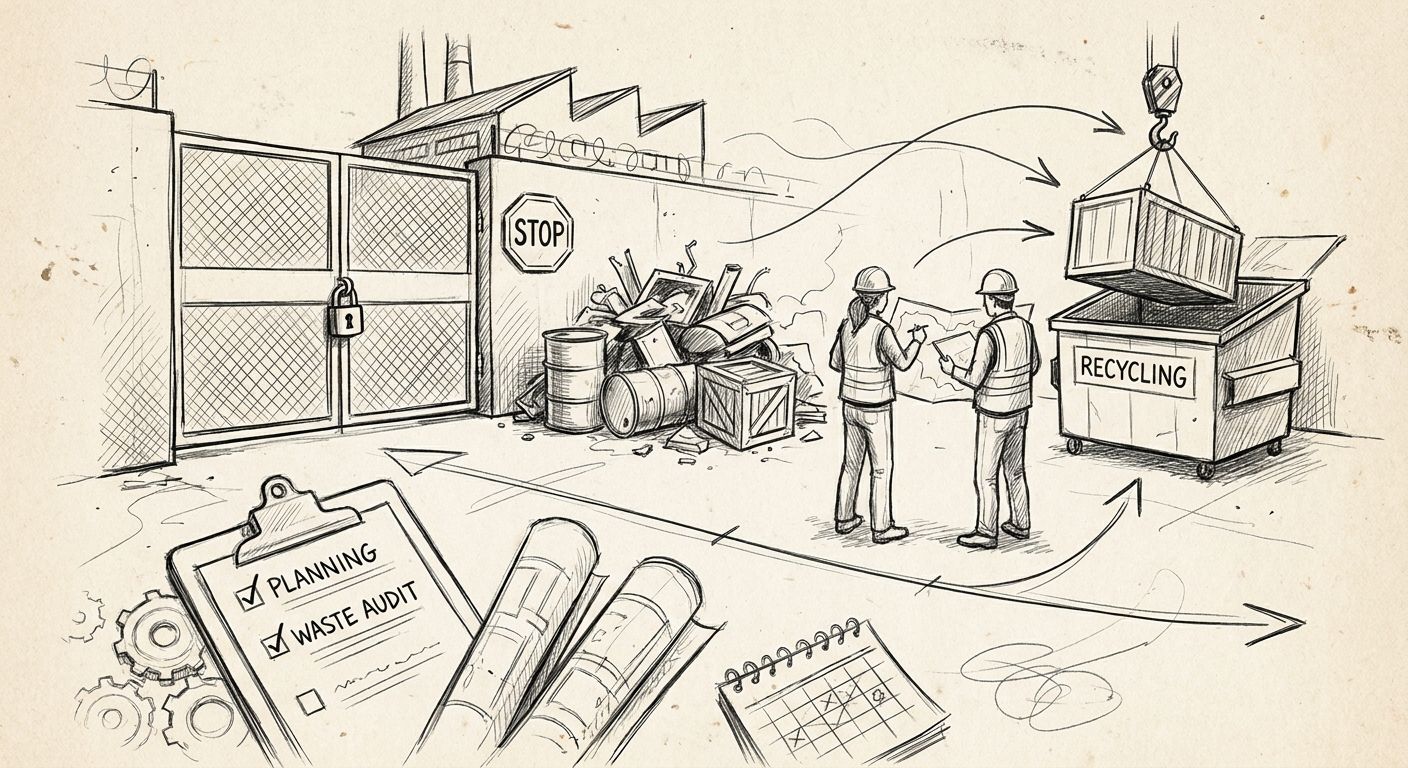
How to plan waste removal for a manufacturing shutdown
- Walk the floor before the shutdown starts. Identify what comes out: scrap metal, obsolete tooling, packaging, wood pallets, and any equipment slated for disposal versus resale.
- Size containers by phase, not by total. Early teardown produces different debris than final cleanup. A 20 yard container handles packaging and light debris; a 40 yard handles bulk scrap and structural teardown.
- Lock a pickup and swap schedule. A shutdown that runs multiple weeks needs containers swapped on a set cadence so the floor never has a full container blocking access.
- Separate hazardous materials before they hit a container. Oils, solvents, batteries, and coolant require separate handling, not mixed disposal.
- Confirm access for delivery trucks. Loading dock schedules, forklift traffic, and truck turning radius all affect where a roll-off container can sit without blocking production during wind-down.
- Route disposal through a facility that controls its own drop-off. Dumpster rental for manufacturing plant shutdowns covers how endpoint control keeps a multi-week shutdown from stalling on a third-party disposal site's schedule.
Container sizing: 8 to 40 yard for shutdown debris
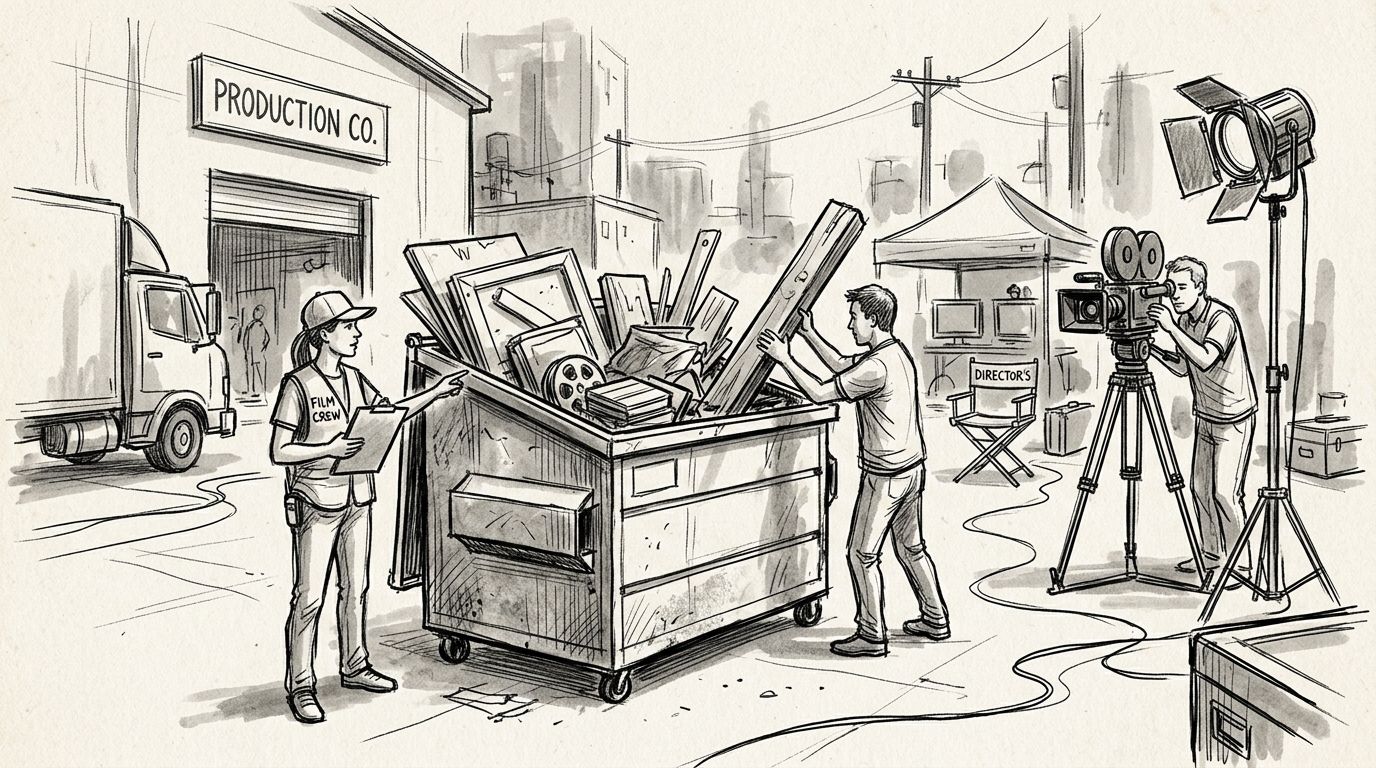
Roll-off containers run 8 to 40 yard, and shutdown work almost always uses the upper end of that range for at least part of the job. Packaging, cardboard, and light office cleanout during a shutdown fit in an 8 to 20 yard container. Structural teardown, scrap metal, and bulk equipment removal call for 30 to 40 yard units. Running two sizes on site at once, one for light debris and one for scrap, is standard practice on multi-week shutdowns rather than a single oversized container that fills unevenly.
Why waste removal timing varies on a shutdown
- Shutdown length. A three-day maintenance window needs a different pickup cadence than a three-week overhaul.
- Scrap metal volume. Facilities pulling out old line equipment generate far more container volume than routine production cleanout.
- Hazardous material presence. Solvents, coolant, and battery waste require separate handling steps that add planning time before general debris disposal starts.
- Site access constraints. Loading dock hours, forklift traffic, and truck turning radius all affect how often a container can be swapped.
- Number of concurrent crews. Electrical, mechanical, and general labor crews working the same floor generate debris at different rates and need separate disposal zones in some cases.
- Disposal endpoint control. A facility relying on a hauler that brokers to a third-party site has less control over pickup timing than one working with an operator that runs its own transfer station.
Hazardous material handling deserves its own line item. How to dispose of hazardous construction materials safely covers what needs separate routing before it ever reaches a general debris container, a step that gets skipped when shutdown planning starts too late.
“A container that sits full for two extra days on a shutdown floor costs more in blocked access than the pickup itself.”
Valley Services runs its own C&D transfer station in San Jose, which means pickup schedules for a manufacturing shutdown are not dependent on a third-party disposal site's calendar. That matters most on multi-week shutdowns where a single missed pickup window can push a crew's schedule by a full day.
Do shutdowns need more than roll-off containers?
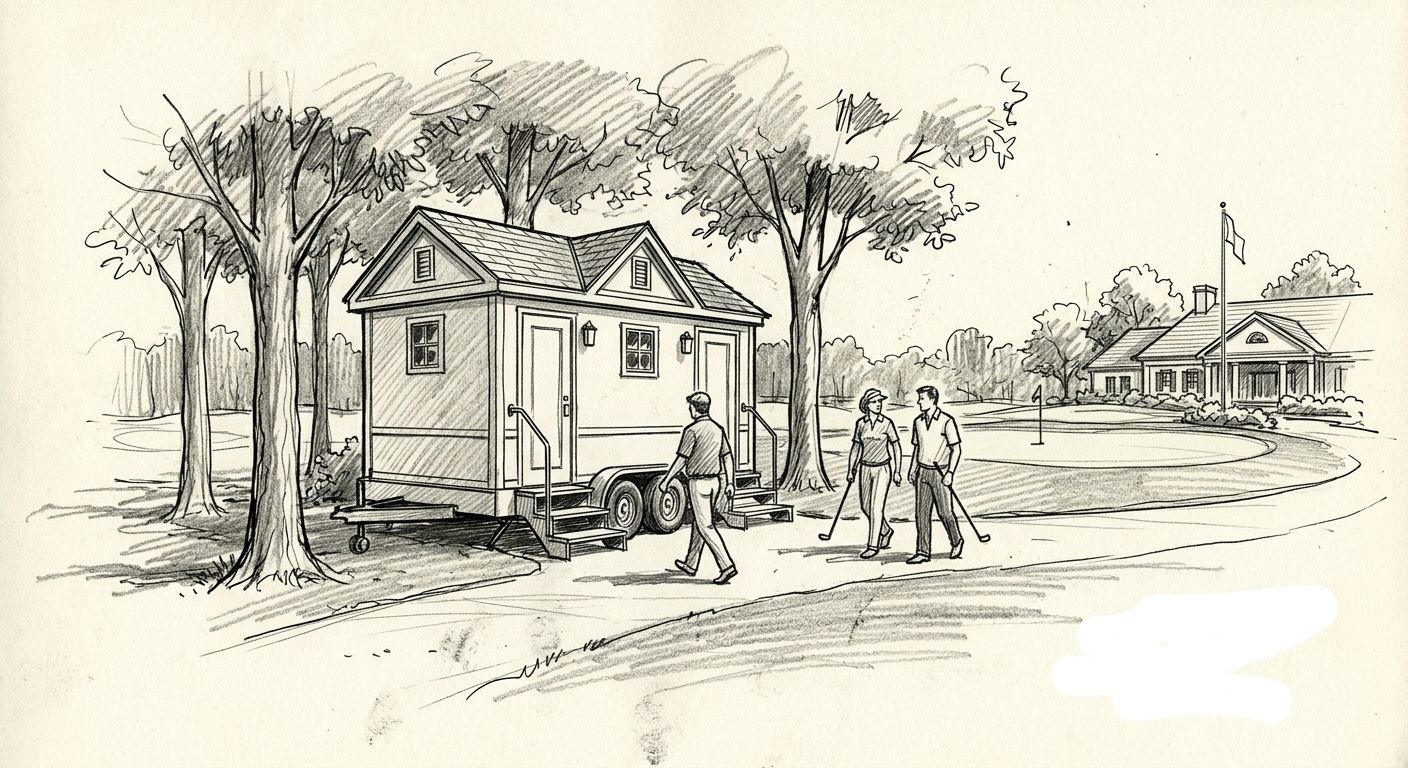
Most do. A shutdown that brings in contract crews for a week or more needs restrooms on site, and larger facilities running multiple concurrent teardown zones sometimes need temporary fencing to control access to hazardous zones or staging areas. How to plan site services for a multi-phase construction project walks through coordinating containers, restrooms, and fencing under one schedule instead of managing three separate vendors during a shutdown window.
Coordinate your shutdown waste plan
Talk through container sizing and pickup scheduling for your shutdown timeline.
Related questions
How much lead time does a manufacturing shutdown waste plan need?
A shutdown waste plan needs to start well before the shutdown date, ideally as soon as the shutdown scope is finalized, since container sizing and pickup scheduling both depend on knowing what comes off the floor and when. Waiting until the shutdown starts to size containers means guessing at volume instead of planning it.
Do I need a permit for a roll-off container at a manufacturing facility in San Jose?
Container placement on private property at a manufacturing facility typically does not require the same permit as a public street placement, but confirming placement rules before delivery avoids a delay on shutdown day. San Jose street placement rules are covered separately for jobs that need curbside container space.
What happens to scrap metal during a shutdown cleanout?
Scrap metal from a shutdown gets separated from general debris and routed through its own disposal stream, since mixed scrap in a general debris container complicates weight and disposal handling. Facilities pulling significant line equipment should plan a dedicated container for metal separate from packaging and general waste.
FAQ
How do I plan waste removal for a manufacturing facility shutdown?
Plan waste removal by walking the floor before the shutdown starts, sizing containers by phase, and locking a pickup cadence for the full shutdown window. Separate hazardous materials before they reach a general debris container, and confirm dock access for delivery trucks.
What size roll-off container do I need for a plant shutdown?
Shutdown debris typically needs container sizes from 20 to 40 yard, with 40 yard units common for scrap metal and structural teardown. Lighter packaging and office cleanout during the same shutdown often fits an 8 to 20 yard container run alongside the larger unit.
How often should containers get swapped during a shutdown?
Container swap frequency depends on shutdown length and debris volume, and a multi-week shutdown needs a fixed swap schedule set before work starts rather than calling for pickup as containers fill. A facility running its own disposal endpoint can hold a tighter swap schedule than one relying on a broker.
Do manufacturing shutdowns need portable restrooms?
Shutdowns bringing in contract crews for a week or more typically need restrooms on site, especially when the shutdown runs multiple shifts or crews across a large floor plan. Restroom count depends on crew size and shift overlap.
How is hazardous waste handled separately during a shutdown?
Hazardous materials like solvents, coolant, and batteries get pulled and routed separately before general debris disposal starts, since mixing them into a standard roll-off container is not permitted. Planning this step early avoids delays once teardown is already underway.
Does a manufacturing facility need temporary fencing during a shutdown?
Facilities running multiple concurrent teardown zones or staging hazardous materials often use temporary fencing to control access to those areas during a shutdown. Smaller single-crew shutdowns typically do not need it.
What is the advantage of working with a company that owns its own transfer station?
A company that owns its own C&D transfer station controls pickup and disposal timing directly instead of depending on a third-party site's schedule. That control matters most on multi-week shutdowns where a missed pickup window delays the whole crew.
One last thing
The detail that gets missed most on manufacturing shutdowns is scrap metal running through the same container as general debris. Once that happens, sorting it back out costs more time than routing it separately from the start, and it is the single most common reason a shutdown container fills faster than planned in 2026.
For a shutdown running multiple crews and a fixed restart date, working with one operator across containers, restrooms, and fencing keeps the schedule under one point of contact instead of three. Valley Services has run the same San Jose yard since 1986, third generation, same family, and coordinates all three services under one call for Bay Area facilities planning a shutdown in 2026.
Reach out to valleyservices.biz or call (408) 297-5404 to talk through container sizing and pickup scheduling for your shutdown timeline.